
Chronos: Before the Ashes Review - Ageing Souls-like on Switch
Last Updated: November 4, 2025
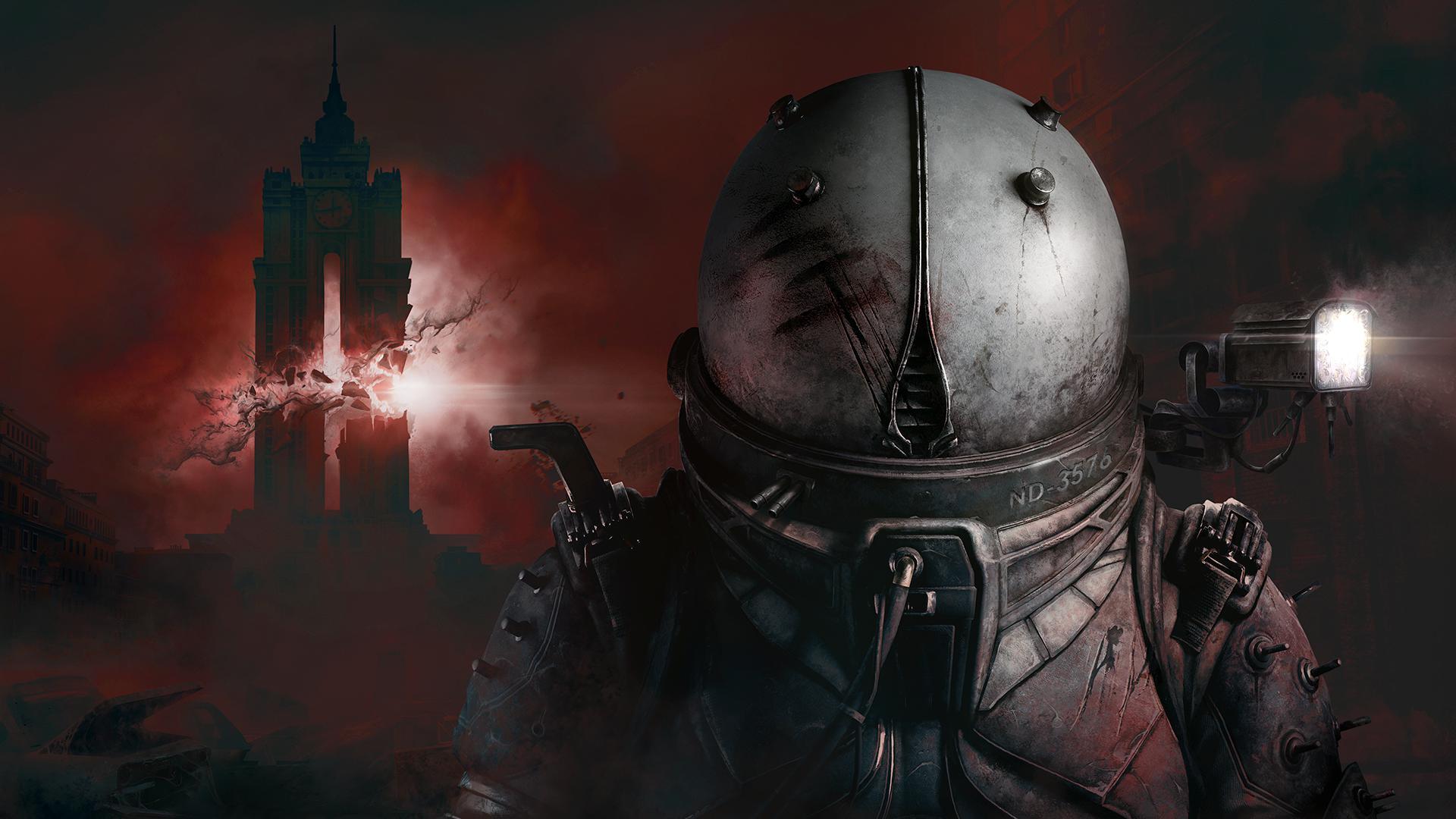
When a game is built around the novel concept that your character ages one year every time you die, you take notice. This is the case with Chronos: Before the Ashes, a title from Gunfire Games that serves as the prequel to the acclaimed Remnant: From the Ashes. Originally a VR-exclusive, its re-release on traditional platforms, including the Nintendo Switch, brings its unique world and mechanics to a wider audience.
However, while the ideas at its core are fascinating, this journey into the labyrinth is a punishing one on Nintendo’s hybrid console, and not always for the right reasons.
A World Shaped by Time
The environment in Chronos is a character in itself, though one whose impact is muted on the Switch. The art direction leans into a stylized, almost minimalist fantasy aesthetic, with grand but often empty halls and corridors that connect a series of puzzles and combat arenas. The level design is focused on solving environmental puzzles and unlocking shortcuts, creating a familiar loop for fans of the Souls-like genre. While the world-building hints at a deep history, the presentation often feels sparse, a lingering reminder of its origins as a VR title where immersion was generated differently.
The Price of Failure is Age
The term “Souls-like” is often used, but Chronos gives it a brilliant twist. Combat is a deliberate affair of dodging, parrying, and managing stamina. It can feel stiff, but the real innovation lies in its death system. Every time you fall in battle, you are cast out of the labyrinth and can only return a year later. Your character ages by one year.
This is not just a cosmetic change; it is the core of the progression system. In your youth, leveling up Strength, Agility, and Dexterity is easy and cheap. But as you age, your body grows frail, and those physical attributes become much harder to improve. Instead, wisdom and experience make you more attuned to the Arcane, making magic easier to level up. A character who dies frequently will be forced to pivot from a nimble warrior into a wise but fragile mage. This system forces you to think about every death not just as a loss of progress, but as a permanent change to your character’s build. It’s a fantastic concept that makes every encounter meaningful.
A Troubled Transition to Switch
Unfortunately, the port to the Nintendo Switch is where this ambitious title falters significantly. The hardware struggles to handle the game, resulting in a severely compromised experience. The impressive atmosphere the game aims for is crippled by blurry textures, aggressive pop-in, and a frame rate that frequently stutters and drops, especially during combat encounters that demand precise timing.
Loading times are long, breaking the immersion as you move between areas or respawn after death. The control scheme, adapted from VR, can feel weighty and unresponsive, which is only exacerbated by the poor performance. The Switch version is functional, but it feels like a shadow of the intended experience. The technical issues are not just minor blemishes; they are fundamental problems that actively detract from the gameplay and make the deliberate combat feel more frustrating than challenging.
An Unforgiving Verdict
Chronos: Before the Ashes is built upon a truly innovative and compelling idea. The aging mechanic is a brilliant twist on the RPG formula, forcing players to live with their failures in a way that directly impacts their playstyle. For fans of the lore established in Remnant: From the Ashes, it offers an interesting glimpse into the world's past.
However, the Nintendo Switch version is simply too compromised to recommend. The game's fascinating central concept is buried under a mountain of technical issues, from a chugging frame rate to muddy visuals and long loads. It is a grueling and often frustrating experience, but one where the challenge comes more from fighting the port’s limitations than from the game’s intended design. While the core idea is a testament to the developers' creativity, this version is a stark reminder of how a poor technical execution can undermine even the most brilliant concepts.