
Clair Obscur: Expedition 33 Hired Writer With No Gaming Experience
Last Updated: November 5, 2025
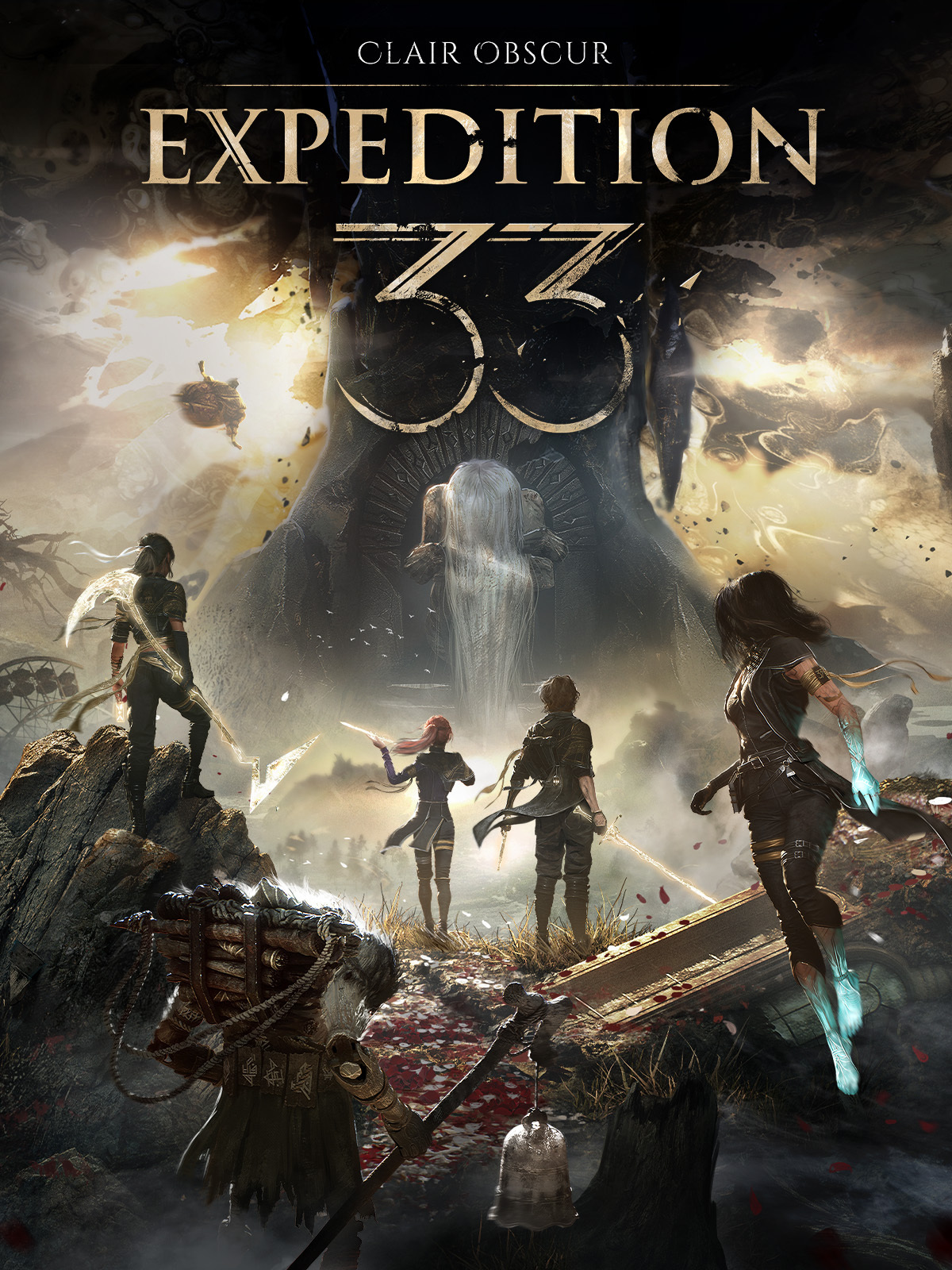
In a move that sent ripples through the gaming community, Sandfall Interactive, the developer of the stunning turn-based RPG *Clair Obscur: Expedition 33*, made an unconventional choice for a crucial role: its lead writer had never played a video game before joining the project. This revelation, which emerged following the game's breathtaking debut at the Xbox Games Showcase, challenges one of the industry's most fundamental assumptions about creative talent.
While many studios exclusively hire from a pool of lifelong gamers, Sandfall's decision represents a deliberate strategy to infuse their debut title with a fresh narrative perspective, untethered from the established tropes of the medium. As the game heads toward its highly anticipated 2025 launch on PC, Xbox Series X|S, and PlayStation 5, this detail adds a fascinating layer to its development. *Expedition 33* is no longer just a promising new IP; it's a bold experiment in how video game stories can be told, and who is qualified to tell them.
An Unconventional Origin Story
The games industry often operates under an unspoken rule: to make great games, you must be a passionate, lifelong gamer. It's a belief that has shaped hiring practices for decades, prioritizing candidates fluent in the language of mechanics, genres, and gaming history. However, Sandfall Interactive, the studio behind the visually arresting Unreal Engine 5 RPG, has taken a decidedly different path. The game's lead writer, Jennifer Richard, was brought onto the project with virtually no prior experience playing video games. This isn't a case of a writer being unfamiliar with a specific genre, but a creative lead approaching the interactive medium with a completely clean slate.
This decision moves beyond simple novelty; it represents a philosophical choice about the wellspring of creativity. By bringing in a storyteller from outside the established gaming ecosystem, the studio is betting that a fresh perspective can catalyze narrative innovation. Instead of drawing inspiration from decades of JRPG classics, Richard would presumably pull from other mediums like literature, film, and theater, potentially resulting in a story with unique pacing, character development, and thematic depth. It challenges the notion that familiarity with industry conventions is essential, suggesting instead that it can sometimes be a creative constraint.
The Outsider Advantage in Narrative Design
The potential benefits of this approach are significant. Video game storytelling, particularly within established genres like the RPG, can often fall into familiar patterns. We see recurring archetypes, predictable plot structures, and dialogue that serves gameplay mechanics more than character. A writer unburdened by these conventions may be better equipped to prioritize pure, powerful storytelling.
Consider the core premise of *Expedition 33*: a world where a mysterious being known as the Paintress awakens once a year to paint a cursed number on her monolith, causing everyone of that age to vanish into smoke. An "Expedition" is sent out each year in a desperate attempt to stop her. This is a potent, high-concept narrative hook. A writer without a gaming background might approach this by focusing intensely on the human drama: the fatalism of a society living on a yearly countdown, the psychological toll on the expedition members, and the existential questions raised by such a curse. The narrative could be structured more like a serialized novel or a prestige television series, with a focus on character arcs that are not necessarily tied to leveling up or acquiring new gear. This could lead to a more emotionally resonant and thematically rich experience, allowing it to stand out in a crowded market.
Navigating the Challenges of Interactivity
Of course, this bold strategy is not without its risks. Writing for a video game is fundamentally different from writing for a non-interactive medium. A game's narrative must account for player agency, pacing that can vary dramatically from player to player, and the need to convey crucial information without wresting control away from the player for too long. Key challenges the writing team will have had to overcome include:
- Pacing and Player Freedom: How do you build narrative tension when a player might spend hours on side quests or simply exploring the world? A writer unfamiliar with this dynamic could create a story that feels disjointed or poorly paced.
- Writing for Gameplay: Dialogue and lore often need to serve gameplay purposes, guiding the player, explaining mechanics, or providing context for objectives. Integrating these requirements seamlessly into a natural-sounding narrative is a unique and practiced skill.
- Environmental Storytelling: Much of a game's story is told through its world. A seasoned game writer knows how to use item descriptions, level design, and ambient details to build a narrative tapestry. This is a craft learned through experience with the medium.
Presumably, Sandfall Interactive, under the leadership of creative director Guillaume Broche, has a strong support system in place, with experienced narrative designers and game directors collaborating closely with Richard to bridge this gap. The ultimate success of *Expedition 33*'s story will depend heavily on how well this collaboration translated the writer's unique vision into a compelling, interactive experience.
A Litmus Test for the Industry
Ultimately, the story behind *Clair Obscur: Expedition 33*'s development is as compelling as its in-game narrative. It serves as a fascinating case study for the entire industry. If the game launches to critical acclaim for its story, it could encourage other studios to look beyond the usual talent pools and embrace creatives from diverse backgrounds. It could validate the idea that the best stories come from a wide range of life experiences and artistic influences, not just a deep knowledge of video game history.
Conversely, if the narrative struggles with the unique demands of interactivity, it may reinforce the belief that game development requires a specialized, ingrained understanding of the medium. Regardless of the outcome, Sandfall Interactive deserves credit for its willingness to take a significant creative risk. In an industry often criticized for its iterative and risk-averse nature, this is a genuinely bold move. As we await its release in 2025, *Clair Obscur: Expedition 33* is no longer just another beautiful RPG on the horizon; it's a potential trailblazer with the power to change how we think about telling stories in games.