
Fallout Creator Settles Lore & Champions Franchise's New Era
Last Updated: November 13, 2025
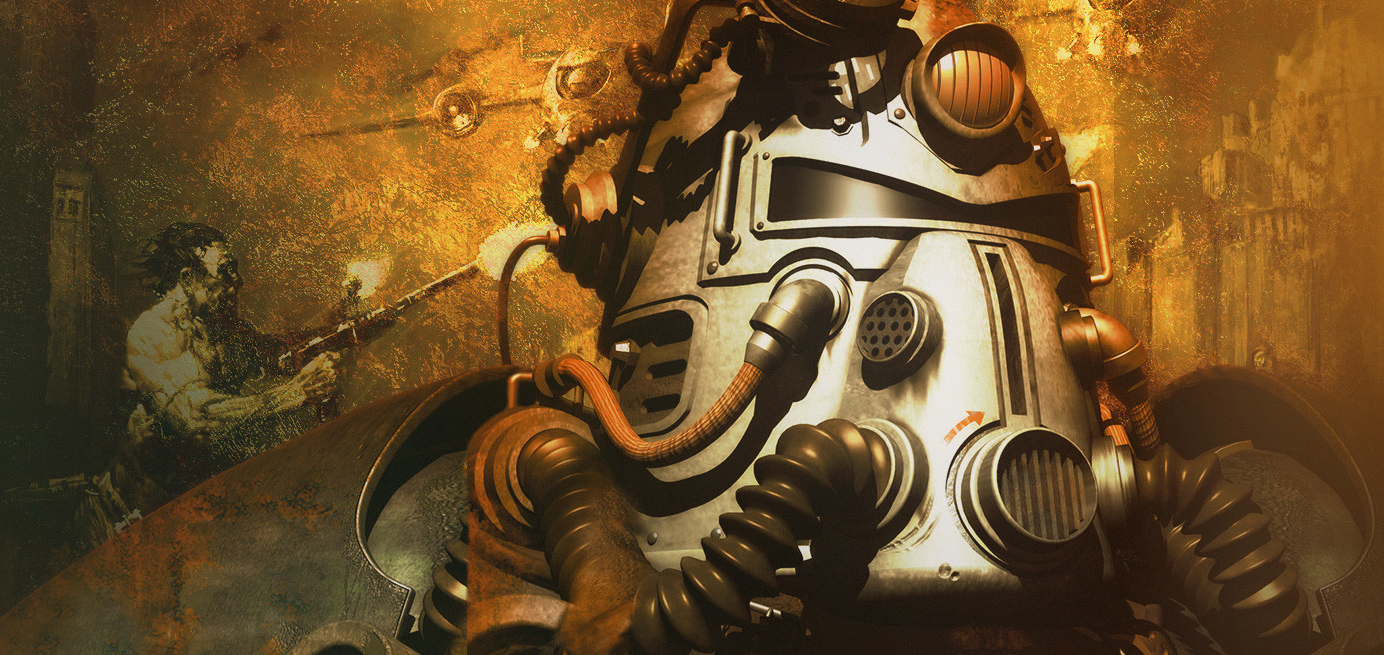
Tim Cain, a principal creator of the original *Fallout*, has become an essential archivist for the series, using his YouTube channel to offer unprecedented insight into the RPG's foundational lore. In a series of ongoing videos, Cain has delved into the rich tapestry of *Fallout*'s development, revealing canonical details held by the original team that never made it into the game's text, while also championing the new directions the franchise has taken under Bethesda and with its recent hit television adaptation.
Declassifying the Original Canon
For years, the *Fallout* community has debated core aspects of its universe. Cain, through his calm and detailed explanations, has systematically addressed many of these long-standing questions, providing definitive answers based on the original team's intent.
One of the most significant revelations was settling the decades-old debate: Who launched the first nuke in the Great War? Cain confirmed that in the original canon, China fired first. He explained that a sophisticated Chinese stealth submarine near the California coast launched the initial volley, triggering America's devastating automated response and plunging the world into nuclear apocalypse.
Beyond this bombshell, Cain has provided crucial context for other iconic elements. He has discussed the origins of Ghouls, the design philosophy behind the Vault Boy mascot, and the intricate world-building rules that governed the original game's logic. This "internal lore" formed the bedrock upon which the world was built, influencing every design decision, character motivation, and piece of environmental storytelling without needing explicit in-game exposition. For fans, these glimpses behind the curtain enrich their appreciation for the intricate world-building that defined the series.
A Living Universe: Embracing Bethesda and the TV Show
Perhaps the most crucial part of Cain's commentary is his forward-looking perspective. He has explicitly stated that current stewards of the franchise are entirely "free to invent different reasons that the things in the game exist." This philosophy is not just a polite handover; it's a powerful endorsement of creative evolution, acknowledging that a universe as vast as *Fallout*'s must grow and adapt to survive.
This principle has never been more relevant than now, following the massive success of the Amazon Prime television series. The show, confirmed as canon by Bethesda's Todd Howard, introduced its own monumental piece of lore: the revelation that Vault-Tec executives may have had a hand in ensuring the Great War happened to execute their twisted vision for humanity.
While this may differ from the original team's internal narrative, it perfectly aligns with Cain's philosophy. It allows new creators to build upon the established world, adding layers of intrigue and conspiracy that honor the spirit of the original's biting satire of corporate America. Cain’s stance provides a framework for fans to understand how both the original lore and new additions can coexist, creating a richer, more complex universe.
The Enduring Legacy of the Wasteland
The *Fallout* series is experiencing a cultural renaissance. The TV show has brought millions of new fans into the fold, driving player counts for games like *Fallout 4* and *Fallout 76* to record highs. Cain's regular insights serve as a bridge between the franchise's origins and its sprawling present, reminding a new generation of the deep roots and thoughtful design that underpin this enduring legacy.
This constant dialogue between creators, current developers, and the community turns the history of *Fallout* into a living narrative. Fan debates over the TV show's implications, a re-examination of older game plots, and excitement for the future are fueled by the kind of open, respectful discourse that Cain himself champions. He reinforces the idea that game worlds, much like real-world histories, are subject to ongoing interpretation and discovery.
Frequently Asked Questions (FAQ)
Q: Who is Tim Cain?
A: Tim Cain is a legendary video game developer, best known as the producer, lead programmer, and one of the primary designers of the original *Fallout* (1997). His work was foundational in establishing the tone, mechanics, and lore of the entire series.
Q: What are the biggest lore points Tim Cain has revealed?
A: Cain has settled several major fan debates. Most notably, he confirmed that China launched the first nuclear missile in the Great War. He has also offered original design intent for staples like Ghouls, the purpose of the Vault Boy mascot, and the reasoning behind many of the original game's key locations and factions.
Q: Does the new Fallout TV show contradict the games?
A: The show is considered official canon and is set after the events of all the current games. While it introduces major new lore—specifically about Vault-Tec's role in the apocalypse—it is designed as a new chapter, not a rewrite. This fits with Tim Cain's philosophy that new creators can and should add new layers and interpretations to the universe.
Q: Where can I watch Tim Cain's videos?
A: Tim Cain regularly posts videos discussing game development, including deep dives into the creation of *Fallout*, on his personal YouTube channel, where he shares stories and answers community questions.