
Ghost of Yōtei: Authentic Hokkaido Setting Hailed in Japan
Last Updated: November 5, 2025
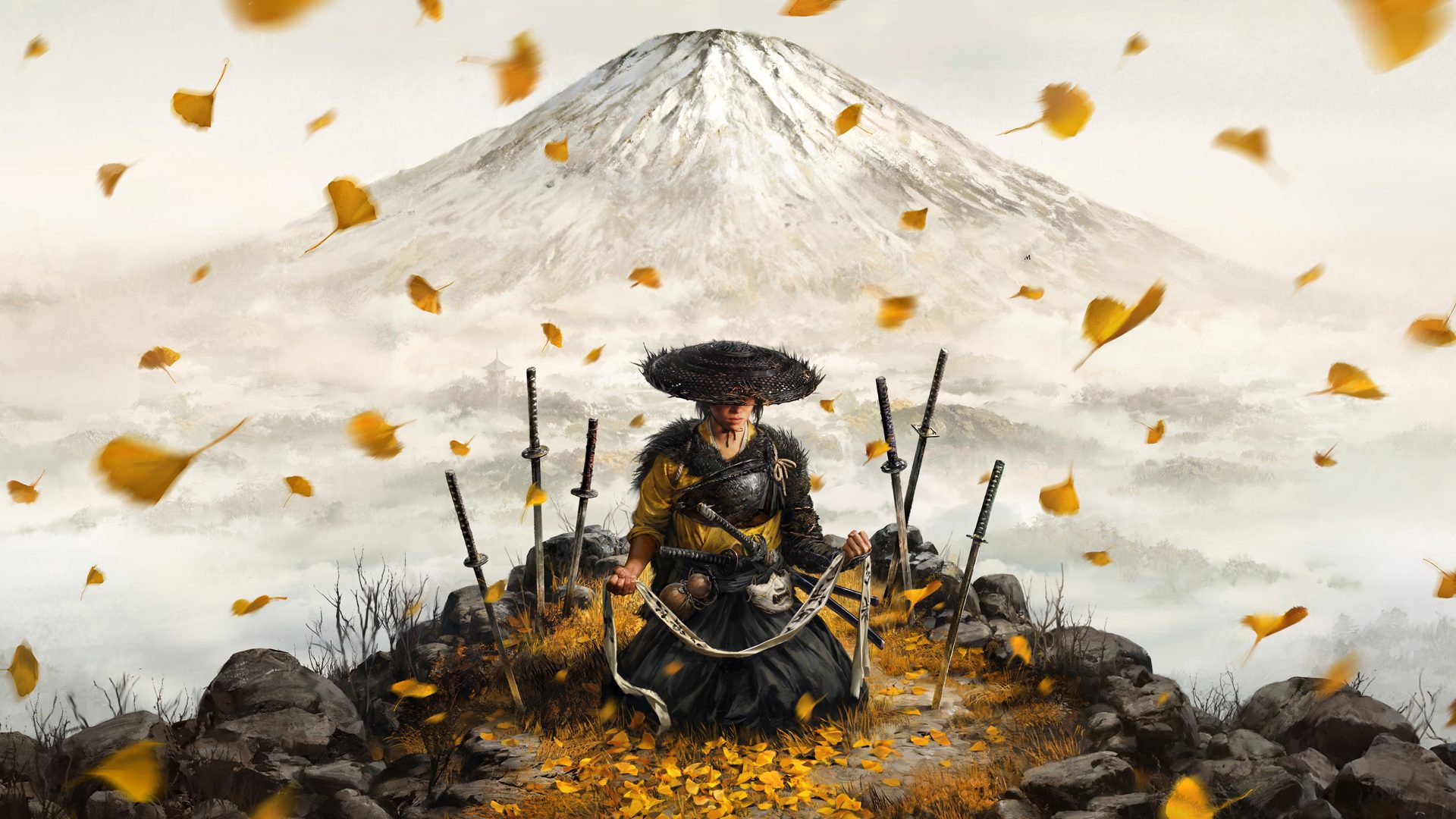
Sucker Punch Productions has proven that lightning can indeed strike twice. The studio’s highly anticipated new title, Ghost of Yōtei, has been met with a wave of critical acclaim in Japan since its October 2 launch, with players and critics alike praising its breathtakingly authentic and respectful portrayal of 17th-century Hokkaido.
Following the monumental success of Ghost of Tsushima, the developer made the bold decision to move beyond the story of Jin Sakai and the 13th-century Mongol invasions. Instead, they transported players hundreds of years forward and thousands of kilometers north to the rugged, untamed frontier of Ezo—the historical name for Hokkaido. This creative gamble is now paying off, as the game’s immersive world is resonating profoundly with the very culture it seeks to honor.
A Bold New Saga, A Vindicated Vision
Just weeks after its global release, Japanese social media channels and gaming forums are alight with praise for Ghost of Yōtei. The overwhelming consensus is one of deep appreciation for the studio's meticulous research and dedication to cultural authenticity, a feat that has earned Sucker Punch significant respect.
This reception serves as a powerful validation of the studio’s choice to forge a new path rather than produce a direct sequel. The praise confirms that the spirit of the franchise—its focus on historical reverence, stunning art direction, and compelling storytelling—was not tied to a single character or time period. By exploring a different era of Japanese history, Sucker Punch has honed its craft even further, delivering an experience that feels both epic in scale and intimately familiar to those who call the region home.
Capturing the Soul of 17th-Century Ezo
The core of the acclaim centers on the game's setting: the island of Hokkaido during the 17th century, a period of dramatic change and conflict involving the indigenous Ainu people and the expanding influence of the Matsumae clan. Players have celebrated how the game’s world, from the shadow of the real-life Mount Yōtei to the sprawling, windswept plains, feels “quintessentially Hokkaido.” This is no generic feudal Japan backdrop; it is a carefully crafted digital love letter to a unique and often-overlooked part of the country's history.
Key highlights from player feedback include:
- Breathtaking Landscapes: The game is being lauded for its visual fidelity, accurately capturing the unique flora, fauna, and dramatic seasonal shifts of Japan's northernmost main island, from deep, pristine snows to vibrant summer fields.
- A Living, Breathing World: Beyond static scenery, the world feels alive. Players are impressed by the sheer scale and immersive detail of the map, which encourages deep exploration and rewards curiosity with hidden stories and stunning vistas.
- Authentic Cultural Atmosphere: The game successfully conveys the distinct cultural and environmental feeling of the region during that pivotal historical period, respectfully touching upon the complex interactions and distinct lifestyles of its inhabitants.
A New Standard for Meticulous Research
This overwhelmingly positive reception is a direct result of Sucker Punch's renowned commitment to detail. The studio is earning plaudits not just for the game's aesthetics, but for the deep historical research that clearly informed every aspect of its creation. Crafting a believable and respectful world requires more than just graphical power; it demands a nuanced understanding of the culture, architecture, politics, and environment. The praise from Japanese players confirms the studio has succeeded on all fronts.
Building on the foundation established with Ghost of Tsushima, Sucker Punch has once again demonstrated an evolving commitment to bringing historical Japanese settings to life for a global audience. The studio's ability to earn the admiration of the culture it portrays is a rare and commendable achievement in the industry. The enthusiastic response from Japan is fueling the game's global momentum, positioning Ghost of Yōtei not just as a worthy successor, but as a new benchmark for culturally immersive open-world experiences.