
Ghost of Tsushima Sequel: Kurosawa Mode's Legacy and Future
Last Updated: November 3, 2025
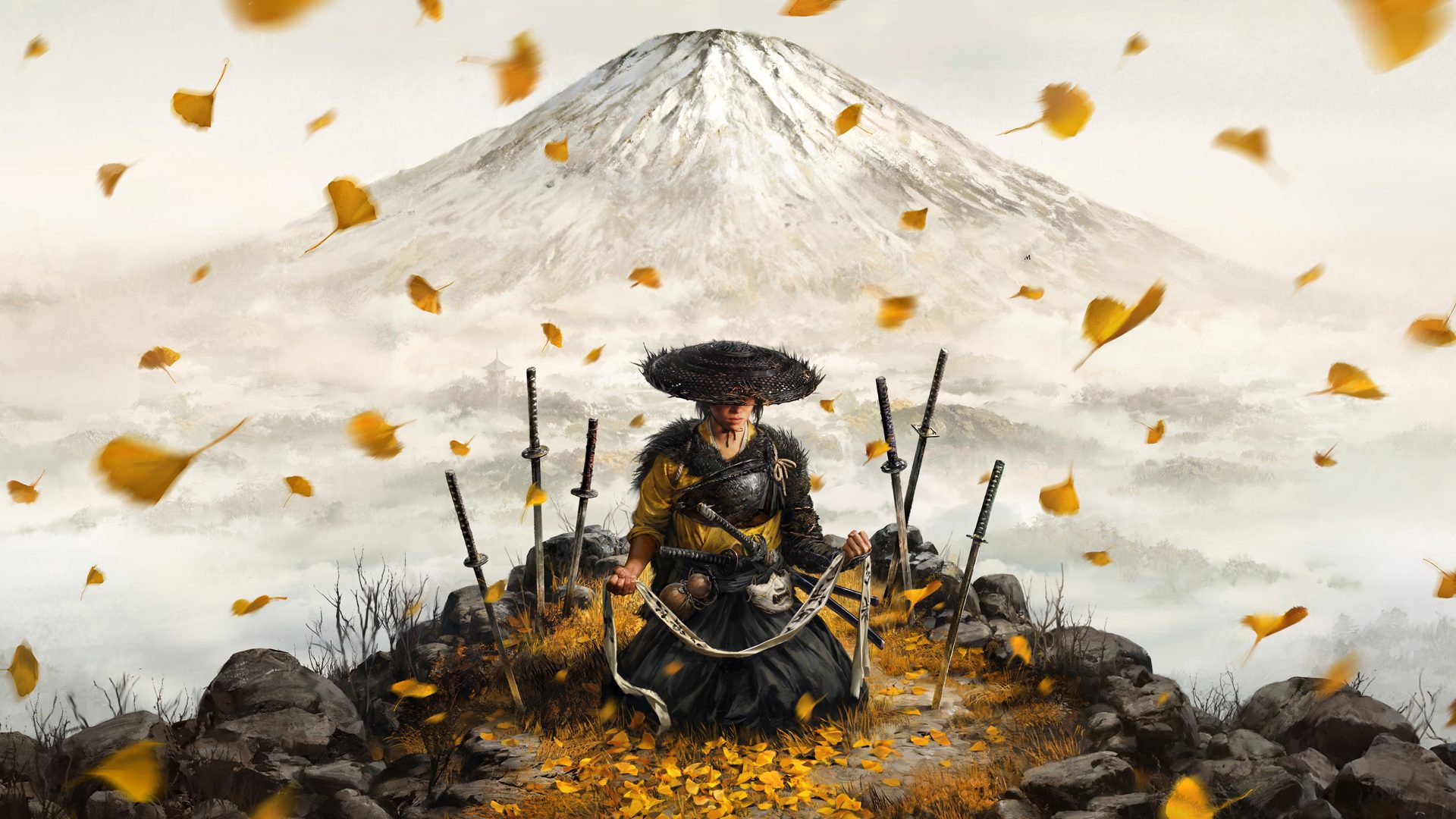
Years after its triumphant release, Sucker Punch Productions' samurai epic Ghost of Tsushima remains a high-water mark for open-world storytelling and artistic vision on the PlayStation. Its stunning recreation of 13th-century Japan, coupled with a deeply personal story of honor and sacrifice, has left millions of fans with one burning question: what comes next for the Ghost? While Sucker Punch has remained famously tight-lipped about a potential sequel, the fervent anticipation continues to build, fueled by the profound impact of the original and the tantalizing possibilities of a new journey.
This feature explores the legacy of the first game's most iconic feature, the speculation surrounding a sequel, and what new artistic directions Sucker Punch might take to recapture the lightning in a bottle that was Jin Sakai's first tale.
The Enduring Power of Kurosawa Mode
One of Ghost of Tsushima's most celebrated innovations was "Kurosawa Mode," a visual filter that transformed the entire game into a living homage to the films of legendary director Akira Kurosawa. More than a simple black-and-white filter, it meticulously adjusted audio, added film grain, and altered wind effects to evoke the aesthetic of classics like Seven Samurai and Yojimbo. This mode wasn't a gimmick; it was a statement of artistic intent, grounding the game in the very cinematic tradition that inspired it. It allowed players to experience the samurai fantasy through the lens of its greatest master, deepening the game's thematic weight and immersion.
The success of Kurosawa Mode sets an incredibly high bar for any follow-up. It proved that players are eager for bold, stylistic choices that enhance a game's atmosphere. This naturally leads to speculation: if a sequel were to happen, how could Sucker Punch evolve this concept?
Imagining a "Watanabe Mode": A New Cinematic Homage?
As fans theorize about what a Ghost of Tsushima 2 could entail, a fascinating idea has emerged from community discussions. If Kurosawa Mode paid tribute to the foundational director of the genre, could a new mode honor one of its most iconic modern actors? Imagine a "Watanabe Mode," inspired by the gravitas and powerful presence of Ken Watanabe.
Watanabe, known globally for his roles in films like The Last Samurai, Letters from Iwo Jima, and Inception, embodies a different kind of samurai spirit—one often tinged with melancholy, modernity, and the weight of a changing world. A mode inspired by his filmography could offer a completely different feel from the Kurosawa filter. It might feature a desaturated, more contemporary color palette, a tighter and more personal camera perspective during duels, and a sound design that emphasizes the internal conflict of its protagonist. This remains pure speculation, of course, but the concept highlights the rich well of Japanese cinema Sucker Punch could draw from to give a sequel its own unique artistic identity.
The Sound of a New Era
A crucial element of Tsushima's soul was its award-winning score. Composers Ilan Eshkeri and Shigeru Umebayashi crafted a masterpiece, blending sweeping orchestral themes with the haunting, intimate sounds of traditional Japanese instruments like the shakuhachi and biwa. The music was not just background noise; it was the emotional heartbeat of Jin's journey.
Any sequel must meet this exceptional standard. The score will need to reflect a new narrative, a new setting, or a new phase in Jin's life. Will the story take us to the Japanese mainland to confront the Shogun, as hinted at in the original's ending? If so, the music would need to evolve, perhaps incorporating the more refined and complex sounds of the Kamakura court, juxtaposed with the raw, folk-inspired sounds of Tsushima. The confidence Sucker Punch showed in its world-building—where the music alone could transport players—suggests that the sound of a new journey would be as meticulously crafted and emotionally resonant as the first.
The Unwritten Chapter for Jin Sakai
The release of the Iki Island expansion further developed Jin's character, forcing him to confront the dark legacy of his father. Yet, his primary conflict remains unresolved. Branded a traitor by the Shogunate he fought to protect, Jin is now a true ronin, operating from the shadows. This is fertile ground for a sequel.
A new chapter could explore the consequences of his actions, forcing him to reconcile his identity as "the Ghost" with the code of honor he was raised to uphold. The silence from Sucker Punch has only made these narrative possibilities more potent in the minds of fans. For now, the community continues to dissect every note of the original game, share stunning photo mode creations, and hope. The journey to Tsushima has ended, but the demand to see where the Ghost's path leads next has never been stronger. The legend is written, but the story feels far from over.