
Sake in Samurai Games: Ritual, Gameplay, and Narrative Depth
Last Updated: November 7, 2025
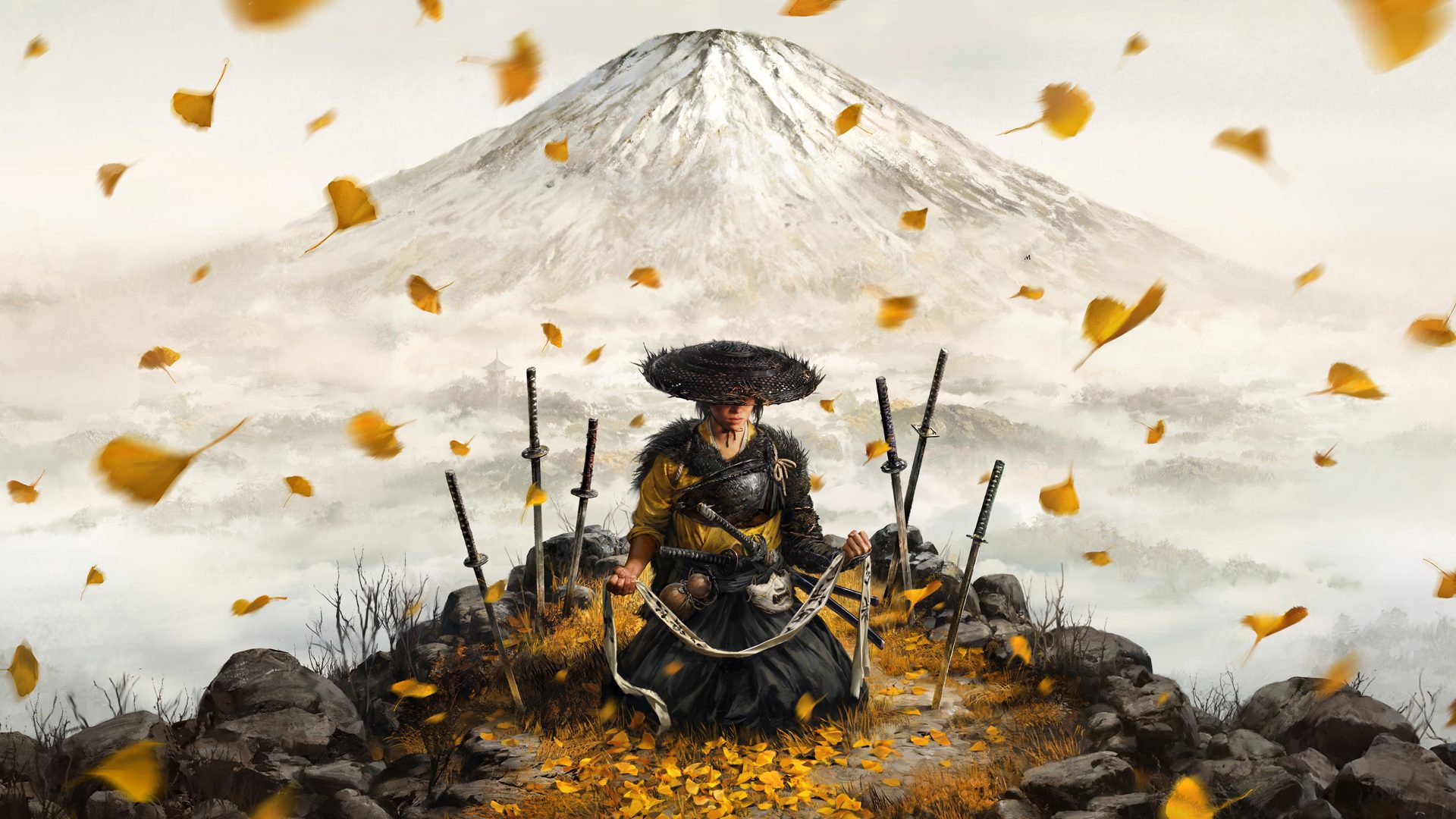
In the world of samurai-themed action games, authenticity is forged not just in the clang of steel but in the quiet moments between battles. Modern titles strive for deep cultural immersion, and it's often a seemingly minor detail that sparks the most intense discussion. Imagine a developer teasing a new game with a single, evocative phrase: “A little drink for the nerves before a Samurai fight.” This simple concept immediately raises questions.
Is drinking sake merely a flavorful animation, or does it signal a deeper, more integral gameplay system? This idea—using the ancient ritual of drinking sake as a core mechanic—serves as a fascinating lens through which to examine game design philosophy. It has the potential to be a crucial preparatory tool, a narrative device, or a key to world-building, influencing everything from a player's combat readiness to their connection with the world. Let's explore what this powerful ritual can, and does, mean for the modern video game samurai.
A Drink for the Nerves: The Pre-Battle Ritual
The phrase “a little drink for the nerves” points away from a standard health potion hastily consumed mid-fray. Instead, it positions sake as a preparatory ritual, a moment of calm before the storm. The context—“before a Samurai fight”—suggests a psychological or focus-based buff that rewards foresight.
In gameplay terms, this could manifest in several ways, many of which we've seen in the genre's titans.
- Focus and Resolve: In a game like Ghost of Tsushima, where "Resolve" governs healing and special moves, drinking sake could be a perfect way to grant an initial stock of this critical resource. It transforms a gameplay meter into a tangible act of mental preparation.
- Poise and Posture: For combat systems inspired by Sekiro: Shadows Die Twice, "nerves of steel" could translate to a temporary boost in posture, making the player harder to stagger. A sip of sake could be the difference between breaking an enemy's guard or being broken yourself.
- Enhanced Precision: The buff could also steady the protagonist’s hand, tightening the timing window for perfect parries and dodges or reducing weapon sway for archery, making it a strategic tool for players who study their opponents before engaging.
This pre-battle ritualism aligns perfectly with the romanticized code of the samurai. The act of pausing, kneeling, and taking a drink mentally prepares both the player and the character for the life-or-death struggle ahead, elevating gameplay beyond pure reflexes into the realm of strategic patience.
Sake as a Gameplay System: Lessons from the Genre
To understand the potential role of sake, we can look at how it and similar items have been masterfully implemented in existing titles. Game developers have already explored this concept through several distinct lenses.
In FromSoftware's Sekiro, sake is not a consumable buff but a powerful narrative item. Gifting it to specific characters like the Sculptor or Isshin Ashina unlocks unique, often poignant, dialogue that reveals deep insights into their pasts and the world's tragic history. Here, sake is a key that unlocks the story, transforming a simple item into a vessel for lore and character development.
Conversely, the Nioh series treats sake more directly as a gameplay consumable. Items like Saisetsu-shin's Sake can be used to purify the player of all negative status effects, a crucial tool in its demanding, stat-heavy combat. Other types can be offered at shrines for temporary blessings. This approach creates a compelling gameplay loop, encouraging players to hunt for these potent brews to gain a tangible edge in battle.
While Ghost of Tsushima doesn't feature a sake-drinking buff for its protagonist, it masterfully integrates similar rituals for mechanical and atmospheric benefit. Pausing at a hot spring increases Jin's maximum health, composing a haiku grants a cosmetic headband, and slicing through bamboo sharpens his Resolve. These actions serve the same purpose: they ground the player in the world through culturally resonant activities that provide tangible rewards. A sake mechanic would fit seamlessly into this design philosophy.
More Than a Mechanic: Narrative and World-Building
Beyond its function in combat, integrating sake is a powerful tool for immersion. In Japanese culture, sake is steeped in tradition, ceremony, and social bonding. By making it an interactive mechanic, developers ground the player in the setting in a tangible way. The animation itself—the way the character handles the ochoko cup, the sound of the pour—communicates a wealth of information about the protagonist's state of mind and the cultural norms of their world. It’s a moment of quiet reflection that provides a stark, meaningful contrast to the game's brutal combat.
This mechanic can also be woven directly into the narrative. Perhaps the protagonist learns the art of brewing from a wise master, with each new recipe marking a milestone in their journey. Or maybe the act of sharing a drink is the only way to earn the trust of a stoic ally, unlocking a crucial questline. By tying the system to the game's story and themes, it becomes more than just a button press for a stat boost; it becomes an integral part of the role-playing experience.
A Toast to Deeper Gameplay
What might seem like a simple piece of set dressing—a bottle of rice wine—holds vast potential. The implementation of a sake mechanic in a samurai game, whether as a strategic pre-combat buff, a key to unlocking stories, or a ritual for immersion, signals a deep commitment to detail. It shows a desire to create a cohesive and believable world where player actions are in harmony with the setting. It suggests that players must do more than just master the sword; they must engage with the culture and traditions of the world to truly succeed.
As developers continue to push the boundaries of the genre, it's these thoughtful, culturally-rich systems that will define the next generation of classics. It’s a clear sign that the best games are often brewing something truly special, and we are eager to see what they pour out next.