
Ghost of Tsushima: Kurosawa Mode & Director-Inspired Styles
Last Updated: November 2, 2025
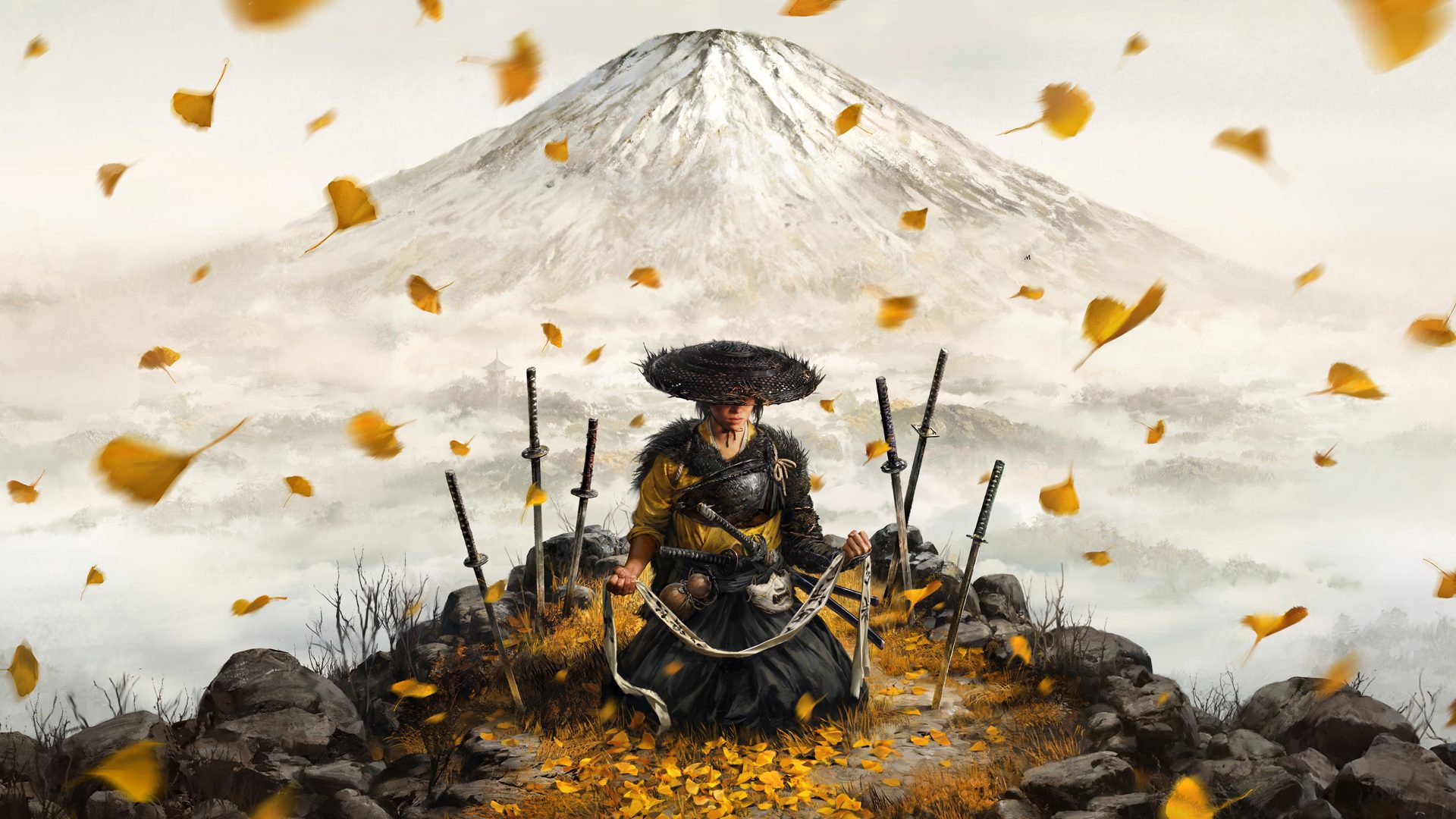
Sucker Punch's landmark samurai epic, Ghost of Tsushima, captivated players with its stunning visuals and visceral combat. Yet, one of its most celebrated features was a unique artistic choice that allowed players to experience the entire game through a new lens: the Kurosawa Mode. This wasn't a simple filter; it was a comprehensive aesthetic overhaul designed as a tribute to the legendary filmmaker Akira Kurosawa.
Since the game's release, this mode has sparked conversations about how presentation can fundamentally shape a player's journey. It also inspires us to imagine what other cinematic tributes could have looked like. Taking inspiration from icons of Japanese cinema, we break down the game's real Kurosawa Mode and explore two compelling "what-if" concepts for director-inspired modes that could have pushed the experience in radically different directions.
The Kurosawa Mode: The Authentic Cinematic Samurai
For cinephiles and players who appreciate artistry, the Kurosawa Mode is a breathtaking, playable homage to the master of samurai cinema. Developed with the approval of Akira Kurosawa's estate, this mode aims to replicate the spirit of classics like Seven Samurai and Yojimbo. It renders the entire game in a meticulously tuned high-contrast, black-and-white visual style.
This is far more than a simple desaturation filter. Sucker Punch crafted the experience to mimic Kurosawa's iconic aesthetic, complete with a dynamic film grain that adds texture to every frame. Wind and weather effects were dramatically enhanced, filling the screen with swirling leaves and driving rain to create a constant sense of movement.
Crucially, the audio design was also transformed. Sound is compressed and filtered to have a "tinnier," mono-like quality, reminiscent of the audio from vintage 1950s films. This combination of sight and sound creates an unparalleled sense of atmosphere. While the core gameplay mechanics remain the same, the presentation makes combat feel more deliberate and weighty, framing every standoff as a classic movie showdown. For players wanting to feel like they are inhabiting a lost samurai masterpiece, the Kurosawa Mode is an essential experience.
The Miike Mode (A Concept): Brutal, Visceral, Unforgiving
Now, imagine a mode inspired by the prolific and controversial director Takashi Miike, known for his unflinching depictions of violence in films like Ichi the Killer and 13 Assassins. This conceptual "Miike Mode" would be Ghost of Tsushima's ultimate difficulty setting, designed to be as brutal and challenging as its namesake's filmography.
Visually, the color palette would be desaturated and gritty, but with the color red amplified to make every blood splatter intensely vibrant and shocking. The core of this mode would be its radical shift in gameplay. While the game's "Lethal" difficulty already makes combat faster, a Miike Mode would push it further. Enemies would be far more numerous, hyper-aggressive, and utilize complex, unpredictable attack patterns.
The defining feature, however, would be an emphasis on visceral, over-the-top violence. Finishing moves would become more graphic and extended, pushing the game's systems to their most brutal limits. This mode would be for seasoned action game veterans who want every fight to be a desperate, bloody struggle for survival, perfectly capturing the raw, untamed ferocity of Miike's cinematic vision.
The Watanabe Mode (A Concept): The Path of the Stoic Hero
While Kurosawa and Miike are directors, a third conceptual mode named for the legendary actor Ken Watanabe would signal a deep focus on narrative, character, and performance. This "Watanabe Mode" would represent the game's definitive story-focused experience, offering a perfect balance between cinematic storytelling and immersive gameplay. It would present the world in its full, vibrant color, showcasing the beautiful and war-torn landscapes of Tsushima Island.
This mode would be designed to fully immerse the player in Jin Sakai's emotional journey. The game's HUD would be minimalist by default, removing distractions to let the world speak for itself. Pacing would be adjusted, creating more opportunities for quiet reflection, exploration, and meaningful interaction with allies. The difficulty would be scalable, but the focus would always be on the emotional weight of the narrative and the relationships between characters.
It would embody the stoic honor, quiet strength, and profound humanity that Ken Watanabe brings to his most iconic roles. For players who value a rich, character-driven story above all else, the Watanabe Mode would be the ideal way to experience the heart of the Ghost's tale.