
God of War at 20: Celebrating Kratos's Enduring Legacy
Last Updated: November 4, 2025
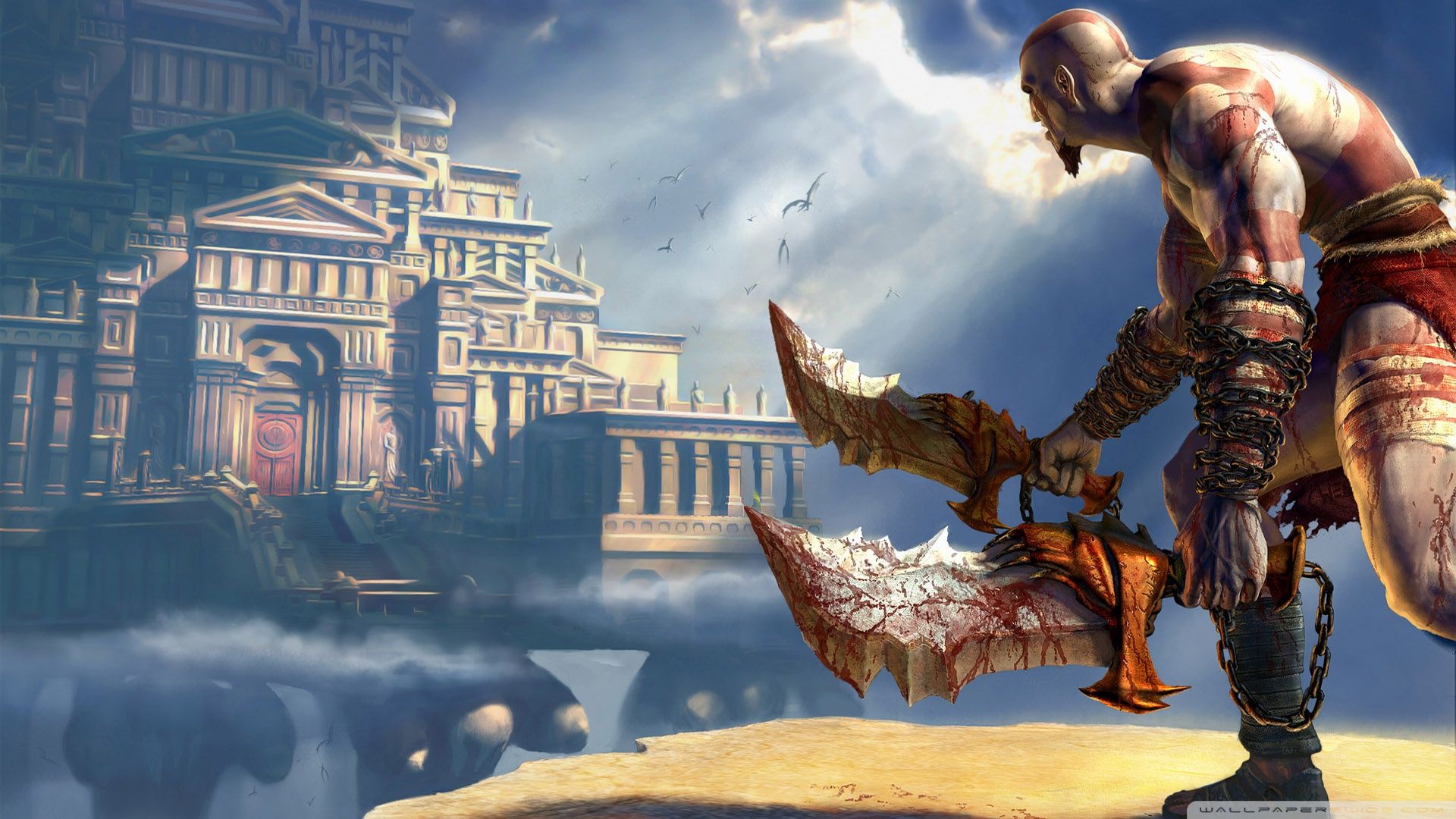
As one of PlayStation's most iconic franchises approaches its 20th anniversary, we look back on the brutal and poignant journey of Kratos. From the blood-soaked shores of ancient Greece to the snow-dusted realms of Norse mythology, the saga of the Ghost of Sparta has not only defined console generations but has also set a gold standard for storytelling and gameplay evolution in the video game medium.
For veteran fans and newcomers alike, the complete saga, now more accessible than ever, represents a monumental piece of gaming history.
A Greek Tragedy: A Legacy Forged in Rage
It's hard to believe that two decades will have passed since Kratos first roared onto the scene in 2005's God of War for the PlayStation 2. Sony Santa Monica Studio crafted a saga that began as a stylish and visceral action-hack-and-slash series, establishing Kratos as a tragic anti-hero—a demigod consumed by vengeance against the Olympian gods who wronged him. The gameplay was tight, the set pieces were monumental, and the sheer scale was unlike anything else at the time.
The original trilogy on the PS2 and PS3, alongside impactful PSP titles like Chains of Olympus and Ghost of Sparta, established a character defined by relentless fury. Games like God of War III, a technical benchmark for the PlayStation 3, brought this chapter to a stunning and bloody conclusion, seemingly closing the book on Kratos's path of destruction.
A Norse Rebirth: The Path to Redemption
After years of silence, the series took a bold and necessary leap with 2018's God of War on the PlayStation 4. By shifting the setting to Norse mythology and, more importantly, transforming Kratos's motivation from vengeance to fatherhood, the developers created one of the most critically acclaimed games of all time. The introduction of his son, Atreus, and a new, more intimate over-the-shoulder camera perspective added profound layers of emotional depth. Kratos was no longer a simple avatar of rage but a complex, struggling father trying to break a vicious cycle of violence for the sake of his child.
This new direction was masterfully expanded in the 2022 sequel, God of War Ragnarök. The sequel broadened the scale, explored more of the Nine Realms, and brought the Norse saga to a deeply satisfying and emotional climax. It cemented the franchise's successful evolution from a pure action spectacle into a character-driven masterpiece. As a capstone, Santa Monica Studio later released Valhalla, a free roguelite DLC that serves as a reflective epilogue. In it, Kratos literally confronts the demons of his Greek past, creating a perfect narrative bridge between the two eras of his life and offering closure while hinting at the future.
The Legacy Continues: Two Decades of an Icon
The God of War series has consistently pushed the boundaries of cinematic storytelling and gameplay. Today, its legacy is more prominent than ever. The entire franchise is readily playable on modern PlayStation consoles, with many titles available through the PlayStation Plus subscription service, making it easy for new players to experience the full epic.
The influence of Kratos is also expanding beyond gaming. A highly anticipated live-action series is in development at Amazon Prime Video, promising to bring the rich narrative of the 2018 reboot to a global television audience. While Santa Monica Studio remains quiet about the next chapter in the game series, the conclusion of Ragnarök left tantalizing possibilities for both Atreus's independent journey and Kratos's new role as a protector of realms.
For those who have followed Kratos from the beginning, the 20-year journey has been a remarkable one to witness. For newer fans introduced to the series through the Norse saga, there is a rich history to explore that shaped the older, wiser Kratos they know. As we celebrate two decades of the Ghost of Sparta, it's clear that his story is one of the most enduring and important in video game history, and his legacy is far from over.