
Street Fighter 6 PPV Finals Reconsidered After Backlash
Last Updated: November 3, 2025
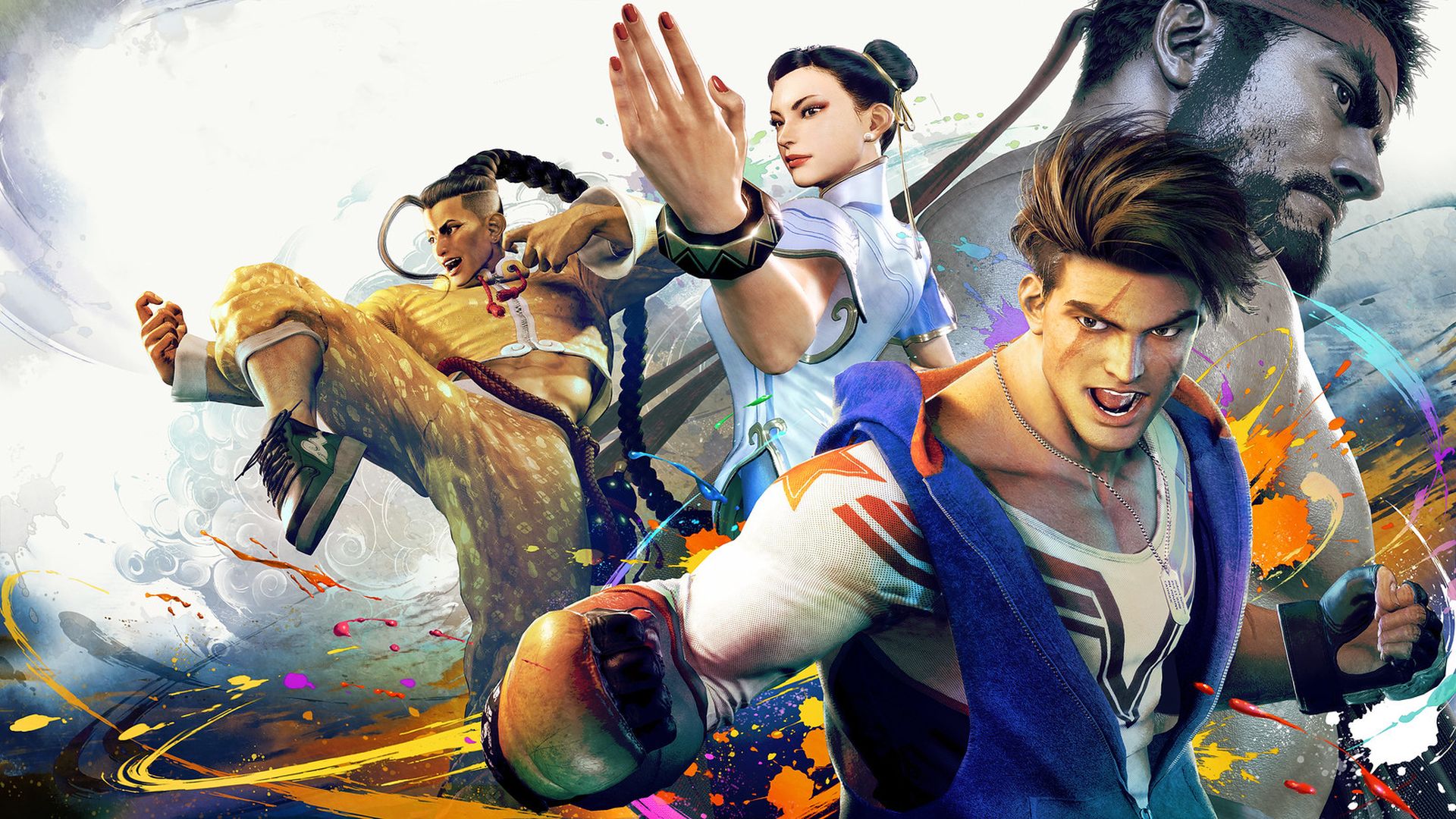
In a firestorm that threatened to overshadow a banner year for Street Fighter 6, Capcom has been forced to re-evaluate its decision to place the Capcom Cup finals behind a pay-per-view (PPV) paywall following an unprecedented public apology from the game's director, Takayuki Nakayama, and overwhelming backlash from the global fighting game community. The controversy exposed a rare and public disconnect between the game's creators and the publisher's corporate strategy, leaving the future of its esports presentation hanging in the balance.
The conflict began when Capcom announced a shocking pivot for its flagship esports circuit. For the first time, the finals of the Capcom Cup, the culmination of the year-long Capcom Pro Tour, would not be freely available on platforms like Twitch and YouTube. Instead, fans would be required to purchase access, a move that immediately ignited intense debate and criticism.
Community Backlash and Open Access
For years, the accessibility of major tournaments has been a cornerstone of the Fighting Game Community (FGC). This grassroots culture, built on open access and community-run events, has been instrumental in growing the scene from arcade gatherings to a global phenomenon. Critics argued that gating the FGC's "Super Bowl" behind a paywall would not only alienate its dedicated, long-time fans but also erect a significant barrier for the new and casual viewers who are vital for the ecosystem's continued health and growth. The decision was widely seen as a misreading of the community's values and economic structure, which differs greatly from the mainstream sports models Capcom appeared to be emulating.
Director's Apology
As community outrage hit a fever pitch, the situation took an extraordinary turn. Street Fighter 6 Director Takayuki Nakayama, a key creative force behind the game's celebrated success, took to social media to address the fans directly. In a move rarely seen in the industry, Nakayama expressed his own surprise at the PPV decision and issued a sincere apology "for any concern this may have caused."
This public statement was a bombshell. By clarifying his team had no part in the decision and aligning himself with the concerned fans, Nakayama drew a clear line between the game's development ethos and the publisher's commercial strategy. His act of solidarity was widely praised by the community, but it also put Capcom in an incredibly difficult position, validating the fans' anger and amplifying the pressure to reverse course.
Capcom's Response and Future
Faced with a PR crisis fueled by its own lead developer, Capcom has since confirmed it is reviewing the situation. While the company has not yet officially canceled the PPV plan, it has acknowledged the negative feedback and is reportedly evaluating its options. The publisher is now at a critical juncture, where its next move will define its relationship with the passionate player base that brought Street Fighter 6 to record-breaking success.
The entire affair has cast a shadow over what should have been a triumphant first year for Street Fighter 6. The game launched to universal acclaim, revitalizing the franchise with innovative mechanics and a massive influx of new players. The inaugural Capcom Cup for SF6 was meant to be a coronation—a celebration of a new golden era for the series. Instead, the conversation was hijacked by debates over monetization and accessibility.
Whether Capcom proceeds with the PPV model, modifies it, or scraps it entirely, this controversy will serve as a defining moment. It has raised fundamental questions about the future of fighting game esports and the delicate balance between corporate monetization and the community-first principles that built the FGC. The world now watches to see if the biggest fight of the Street Fighter 6 season will be the one for the championship, or the one that already took place to keep it free for all.