
Sony vs. Tencent: 'Horizon' Copyright Battle Heats Up
Last Updated: November 16, 2025
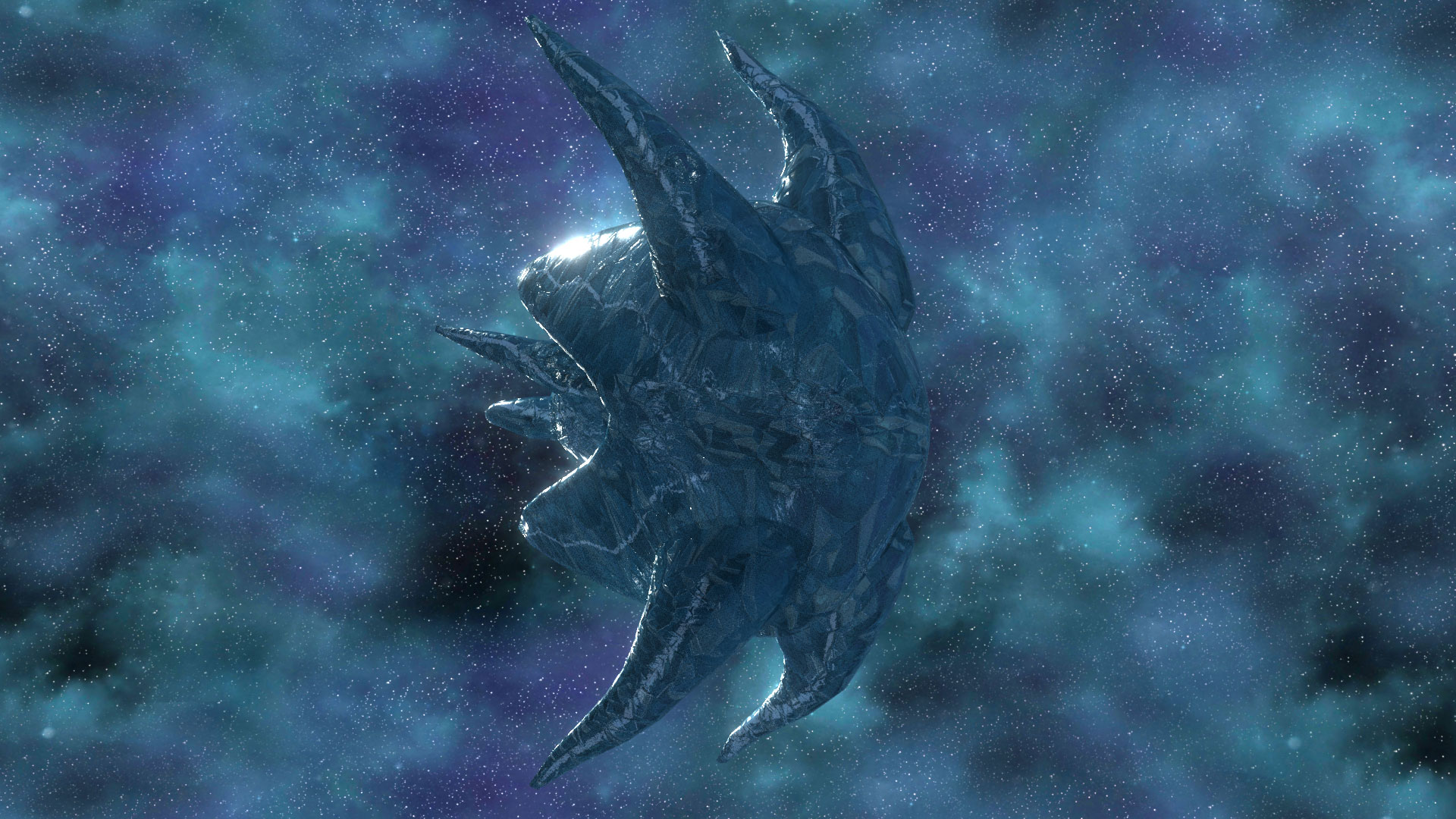
In a legal confrontation with significant implications for the global gaming industry, Sony Interactive Entertainment (SIE) is escalating its copyright infringement lawsuit against tech giant Tencent. The PlayStation creator has formally requested a preliminary injunction to halt all promotional activities for Tencent's upcoming open-world title, Light of Motiram, which Sony alleges is a "blatant knock-off" of its critically acclaimed Horizon franchise.
The dispute, which highlights the increasingly contentious line between inspiration and infringement, has now advanced to a critical stage. Sony has filed a powerful opposition to Tencent's motion to dismiss the case, labeling the company's defense as "nonsense" and arguing that the alleged imitation has already caused irreparable harm to its valuable intellectual property. This aggressive legal stance signals Sony's determination to protect its flagship franchise from what it perceives as calculated replication.
The Genesis of the Conflict: A Tale of Two Worlds
The legal battle began when Sony filed suit against Tencent, accusing the publisher of systematically copying core elements from the Horizon series, developed by Guerrilla Games. The Horizon games, including Horizon Zero Dawn and Horizon Forbidden West, are celebrated for their unique post-apocalyptic world, distinctive art style, and, most notably, their iconic roster of robotic, animal-like machines.
Sony's lawsuit meticulously outlines numerous points of "substantial similarity" between the two properties. The filing alleges that Light of Motiram mirrors not only the general concept of a tribal-themed, post-apocalyptic open world but also specific protectable elements, including the aesthetic design of its mechanical fauna and core gameplay loops centered on hunting them for resources.
Compounding these claims is a critical allegation from Sony's legal team: prior to beginning development on Light of Motiram, Tencent had reportedly approached Sony to explore a potential partnership or licensing deal to create an official Horizon title for the mobile market. According to Sony, after these talks failed to materialize, Tencent proceeded to develop its own strikingly similar game. This detail forms the crux of Sony's argument, suggesting that the similarities are not a case of coincidental inspiration but a deliberate attempt to create a substitute product after failing to secure a license.
Tencent's Defense and Sony's Fierce Rebuttal
In its motion to dismiss, Tencent's legal counsel argued that while Light of Motiram may be "derivative" in the broad sense that many games in a genre are, it is not a direct copy. Tencent maintains that its game's narrative, characters, and gameplay systems are "substantially different" and that Sony is attempting to improperly monopolize the entire genre of open-world games featuring robotic creatures.
Sony's rebuttal was swift and uncompromising. Its legal filing asserts that "the damage is done—and it continues," arguing that even a potential delay in the game’s release does not undo the harm caused by its announcement and early previews. The core of Sony's counter-argument is that Tencent's previous interest in a legitimate Horizon partnership demonstrates intent to copy, moving the case beyond mere inspiration.
The Injunction: Halting Promotion to Prevent Further Harm
The request for a preliminary injunction is Sony's most aggressive move yet. If granted by the court, this order would immediately bar Tencent from releasing trailers, showcasing gameplay, or engaging in any marketing for Light of Motiram.
Sony's rationale is that every promotional asset released by Tencent further solidifies the alleged copy in the public's mind, potentially diluting the uniqueness of the Horizon brand and creating market confusion. For Sony, stopping the marketing hype-cycle is as crucial as stopping the game itself, as it aims to prevent Tencent from building a player base on the back of a franchise it doesn't own.
Broader Implications: A Landmark Case in the Making?
This legal clash between two industry titans is being closely watched, as its outcome could set a powerful precedent for intellectual property rights in gaming. The central question—where does homage end and infringement begin?—has become particularly relevant in recent years.
The industry has seen numerous debates over games that appear heavily inspired by others, most notably the massive success of Palworld and its undeniable aesthetic similarities to Nintendo’s Pokémon franchise. While The Pokémon Company has stated it is "investigating" the matter, the Sony-Tencent lawsuit represents a more direct and aggressive legal challenge. The court's decision on what constitutes protectable "look and feel" versus unprotectable genre conventions could influence developer behavior for years to come.
An aggressive IP defense from a platform holder like Sony sends a clear message: while inspiration is a cornerstone of creative development, there is a line that major IP holders are increasingly willing to defend in court.
What's Next in the Legal Saga?
The immediate future of the lawsuit hinges on the court's decision regarding two key issues: Tencent's motion to dismiss and Sony's request for a preliminary injunction. The injunction hearing is typically fast-tracked to address the potential for immediate and ongoing harm. The judge’s ruling on this request will likely provide an early signal of how the court views the strength of Sony's infringement claims.
Should the motion to dismiss be denied, the case will proceed to the discovery phase, a lengthy process where both corporations will be required to exchange internal documents, communications, and evidence. Regardless of the outcome, the battle over Horizon and Light of Motiram is shaping up to be a defining legal confrontation of the modern gaming era.
Frequently Asked Questions (FAQ)
Q1: What is Sony's primary accusation against Tencent?
A1: Sony alleges that Tencent's game, Light of Motiram, commits copyright infringement by copying core protected elements of its Horizon franchise, including its unique aesthetic, world design, and signature mechanical creatures.
Q2: What is a preliminary injunction?
A2: A preliminary injunction is a temporary court order that prohibits a party from performing a specific action until the conclusion of a trial. In this case, Sony wants to stop Tencent from marketing or promoting Light of Motiram to prevent further damage to the Horizon brand.
Q3: How has Tencent defended itself?
A3: Tencent argues that its game is not a direct copy, or "rip-off," but rather a "derivative" work within the same genre. They claim its gameplay and narrative are sufficiently different to stand as an original creation and that Sony cannot copyright an entire game concept.
Q4: What makes this case different from other "clone" controversies?
A4: Sony's claim that Tencent first tried to license the Horizon IP before developing a similar game is a key differentiator. This allegation of prior intent strengthens Sony's argument that the similarities were calculated rather than coincidental.
Q5: What are the potential outcomes of this lawsuit?
A5: The case could be dismissed, leading to a victory for Tencent. Alternatively, if Sony prevails, outcomes could include a permanent injunction preventing the release of Light of Motiram, a forced redesign of the game, or a significant financial settlement or damages award. The case could also be settled out of court at any point.