
Unreal Redux: Fan Remake of a PC Gaming Classic
Last Updated: November 6, 2025
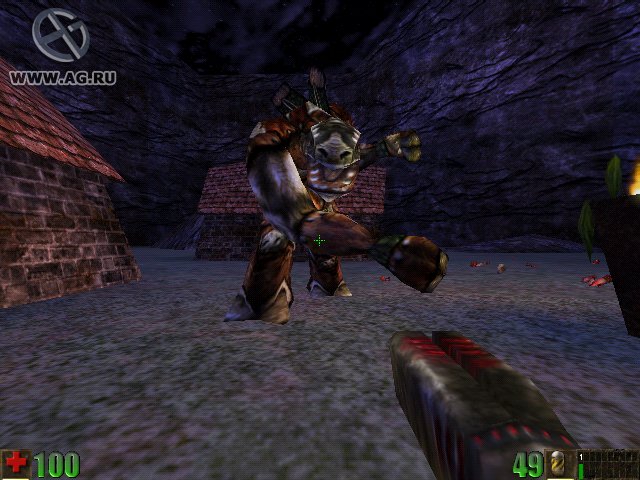
For years, a passionate team of developers has been quietly working to bring a legend back to life. That project, Unreal Redux, is an ambitious fan-led effort to completely remake the groundbreaking 1998 first-person shooter, Unreal. Showcases and trailers released by the team reveal a stunning level of visual fidelity and atmospheric detail that could rival modern titles, all while promising to remain faithful to the original's iconic art direction.
As fans continue to dream of a proper return to the alien world of Na Pali, this project represents the most meticulous and promising effort to make that dream a reality.
While the project's development has been a long-term endeavor typical of volunteer efforts, its progress is undeniable. Unreal Redux is shaping up to be a worthy successor to a game that not only defined a generation of shooters but also launched one of the most dominant game engines in history.
A Glimpse of Na Pali Reborn
Visual showcases for Unreal Redux are a masterclass in modernizing a classic. From the cold, metallic corridors of the Vortex Rikers prison ship to the lush, alien jungles of Na Pali, every frame is packed with breathtaking detail. The development team is clearly leveraging the power of modern Unreal Engine technology to bring the world to life in ways that were impossible in 1998. Viewers can see dynamic lighting piercing through dense foliage, water surfaces with physically accurate reflections, and textures so detailed one can almost feel the cold stone of ancient Nali temples.
Key enhancements revealed in footage include:
- Complete Visual Overhaul: Character models for enemies like the brutal Skaarj and the peaceful Nali have been completely rebuilt with high-polygon counts and intricate detail, replacing the blocky, low-poly figures of the original.
- Atmospheric Lighting: The use of volumetric fog and god rays creates a palpable sense of atmosphere, making Na Pali feel more dangerous and mysterious than ever before. The glow of Tarydium crystals and the flash of weapon fire illuminate environments in a spectacular, physically-based fashion.
- Faithful Environments: Iconic locations have been recreated with painstaking accuracy but are expanded with new geometry and environmental storytelling elements that enrich the original level design without fundamentally altering it.
While the core gameplay loop appears intact, the visual feedback from weapons and enemies seems vastly improved. The Flak Cannon, in particular, looks devastating, with every shard of shrapnel casting its own light and shadow as it ricochets off surfaces. This isn't just a remaster; it's a ground-up reconstruction of a beloved masterpiece.
The Enduring Legacy of Unreal
To understand the excitement and patience surrounding Unreal Redux, one must look back at the impact of the original. Released in 1998 by Epic MegaGames, Unreal was a watershed moment for PC gaming. It went head-to-head with id Software's Quake II and established a new benchmark for graphical excellence. Its proprietary engine, the first Unreal Engine, was a revelation, capable of rendering large, detailed environments with colored lighting and a suite of particle effects that left players in awe.
But Unreal was more than just a tech demo. It offered a compelling single-player experience that emphasized exploration and atmosphere over the non-stop, corridor-based action of its rivals. As Prisoner 849, players crashed on the alien planet of Na Pali and had to navigate its beautiful yet hostile world, piecing together the story of the oppressed Nali people and their conflict with the vicious Skaarj. The game's sense of scale, intelligent enemy AI, and haunting soundtrack created an immersive experience that has stuck with players for over two decades. It also laid the groundwork for the arena-shooter multiplayer phenomenon, Unreal Tournament, and an engine that would go on to power countless games, from Deus Ex and BioShock to the Batman: Arkham series and beyond.
The Perilous Path of Fan Projects
Unreal Redux joins a proud tradition of ambitious fan remakes, a testament to the lasting power of classic games. Projects like Black Mesa (a remake of Half-Life) have shown that a dedicated group of fans can deliver an experience that honors the original while meeting modern standards. However, the road for such projects is often long and fraught with challenges. Development is typically done by volunteers in their spare time, leading to extended timelines and the constant risk of burnout.
Furthermore, these projects exist in a legal gray area. While some rights holders, like Valve, have embraced fan creations, others have been known to shut them down with cease-and-desist orders. The fact that Unreal Redux has been in development for some time suggests the team is proceeding with confidence. The project's continued, albeit quiet, progress is a clear indicator of the team's dedication, navigating the complex technical and logistical hurdles required to build a full game from scratch.
The State of the Redux
As is common for a fan project of this magnitude, there is still no release date for Unreal Redux. Quality and completeness are prioritized over hitting a specific deadline. The released footage serves as both a proof-of-concept and a progress report, showing the community that development, while slow, is moving forward. This has kept the flame of hope alive in the Unreal community, where discussions about the project's status and potential are frequent.
For now, fans can only watch and wait. The ultimate goal remains clear: to deliver the definitive version of Unreal for a new generation of gamers. Based on the incredible visual work showcased so far, the Unreal Redux team is well on their way to achieving it, however long the journey takes.