
VALORANT's Core Balance: Gunplay First, Abilities Second
Last Updated: November 7, 2025
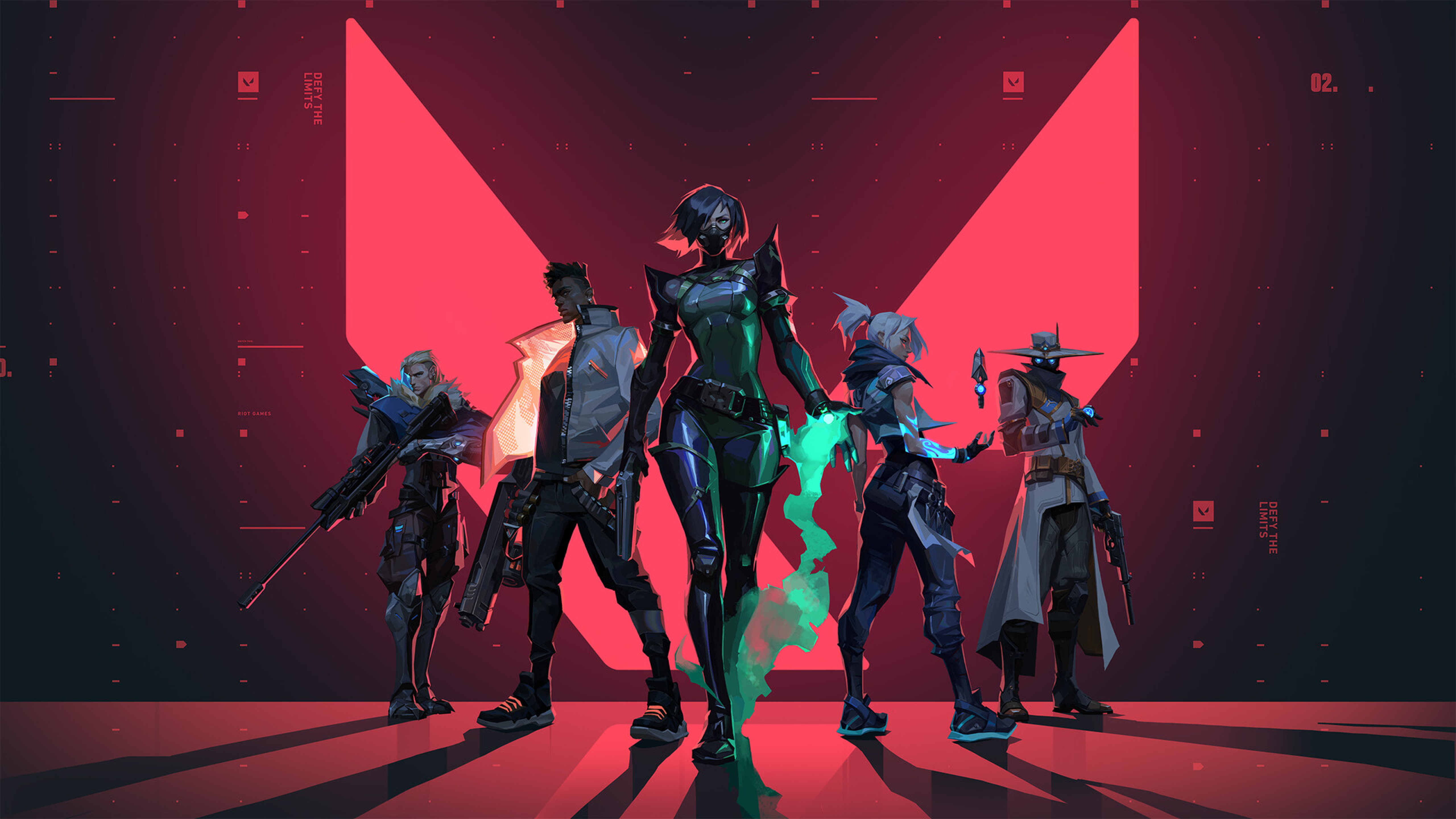
In the ever-evolving landscape of competitive shooters, VALORANT maintains its identity through a clear and consistent design principle: tactical gunplay is paramount. While community discussions on Reddit and X constantly buzz with meta analysis and desires for agent changes, Riot Games has consistently used developer updates and patch notes to reaffirm its core philosophy.
The goal has never been a seismic, meta-shattering overhaul. Instead, Riot is committed to a process of continuous refinement, ensuring agent abilities create opportunities for skillful gunplay, rather than overshadowing it. For players, understanding this philosophy is key to mastering the game and anticipating the thoughtful, incremental changes that lie ahead.
The Guiding Principle: Abilities in Service of Gunplay
At the heart of every balance discussion is VALORANT's foundational design creed: this is a tactical shooter where precision aim and strategic positioning dictate the outcome of engagements. Agent abilities are the catalysts—tools designed to create tactical advantages, force enemy repositioning, and open windows for a clean headshot. This principle has been the North Star for all major balance decisions since the game's beta.
We’ve seen this philosophy tested and proven time and again. The foundational reworks of Jett and Chamber are classic examples. Jett’s Tailwind was changed to require proactive activation, preventing her from taking aggressive duels with a free escape pass. Chamber was transformed from a one-man army who could lock down a site and teleport away with impunity into a more specialized anchor, re-emphasizing team-based site holds.
More recently, this approach has continued with nuanced tuning across the roster. The major updates to Sentinels like Cypher and Deadlock enhanced their ability to hold space and provide information without making them oppressive, rewarding smart setups that enable gunfights. The introduction of agents like Clove, whose post-death abilities could seem to challenge the "gunplay first" rule, still adheres to it; their smokes are utility that requires living teammates to capitalize on with superior gun skill. Every change, from a duelist’s flash to a controller’s smoke, is ultimately calibrated to funnel the action back to the gunfight.
Forging a Sharper Arsenal: More Than Vandal vs. Phantom
Alongside agent tuning, Riot has placed a renewed and visible focus on the game's weapon sandbox. In a developer blog, the team stated a core goal: "every weapon should have a reason to be purchased." This extends far beyond the eternal Vandal versus Phantom debate, aiming to create a comprehensive arsenal where every gun has a viable niche and the economic game remains strategically deep.
The most significant evidence of this was the 2024 introduction of the Outlaw. Riot identified a pricing and strategic gap between the Marshal and the Operator, creating a mid-tier sniper powerful enough to punish half-shield buys and introduce new strategic wrinkles to force-buy rounds. It was a surgical addition, not a meta-breaker, designed to make economic decisions more complex.
This philosophy of targeted refinement is visible across the board:
- Rifle Hierarchy: While the Vandal and Phantom remain the primary options, the Guardian and Bulldog have received numerous tweaks to their price, fire rate, and accuracy to make them more attractive options in specific economic or long-range scenarios.
- SMG & Shotgun Roles: The Stinger, Spectre, and Judge are in a constant state of fine-tuning. Adjustments to their accuracy while moving, damage falloff, and price ensure they remain potent choices for close-quarters combat and anti-eco rounds without becoming overly dominant.
- Sidearm Viability: The Classic’s alternate fire and the Frenzy’s price and spray pattern are regularly reviewed to ensure save rounds are still winnable and the initial pistol round remains a dynamic and balanced fight.
What This Means for Players: Adaptability is Key
Riot’s high-level philosophy has tangible implications for every player. Instead of bracing for a single, game-altering patch, the community should expect a steady stream of calculated changes. This approach signals a commitment to proactive and consistent tuning, which means adaptability is the most valuable skill a player can possess.
This methodology also promotes a stable and predictable competitive environment, which is crucial for the thriving VALORANT Champions Tour (VCT). By avoiding drastic, sweeping changes, Riot allows the professional meta to evolve organically while methodically addressing clear balance issues.
For the everyday ranked grinder, the lesson is clear: the fundamentals you practice today—crosshair placement, movement, and game sense—will always be your most important assets. However, the key to consistently climbing the ladder lies in understanding the nuances of each patch. Mastering how a small tweak to your main agent's utility or a 100-credit price change on a key weapon impacts the flow of a round is what separates the dedicated from the dominant. In Riot's VALORANT, the game is always evolving, but the path to victory will always be paved with a steadier hand and a sharper shot.