


Warhammer 3's AI Recovery: From Catastrophe to Compelling Campaigns
Last Updated: November 7, 2025
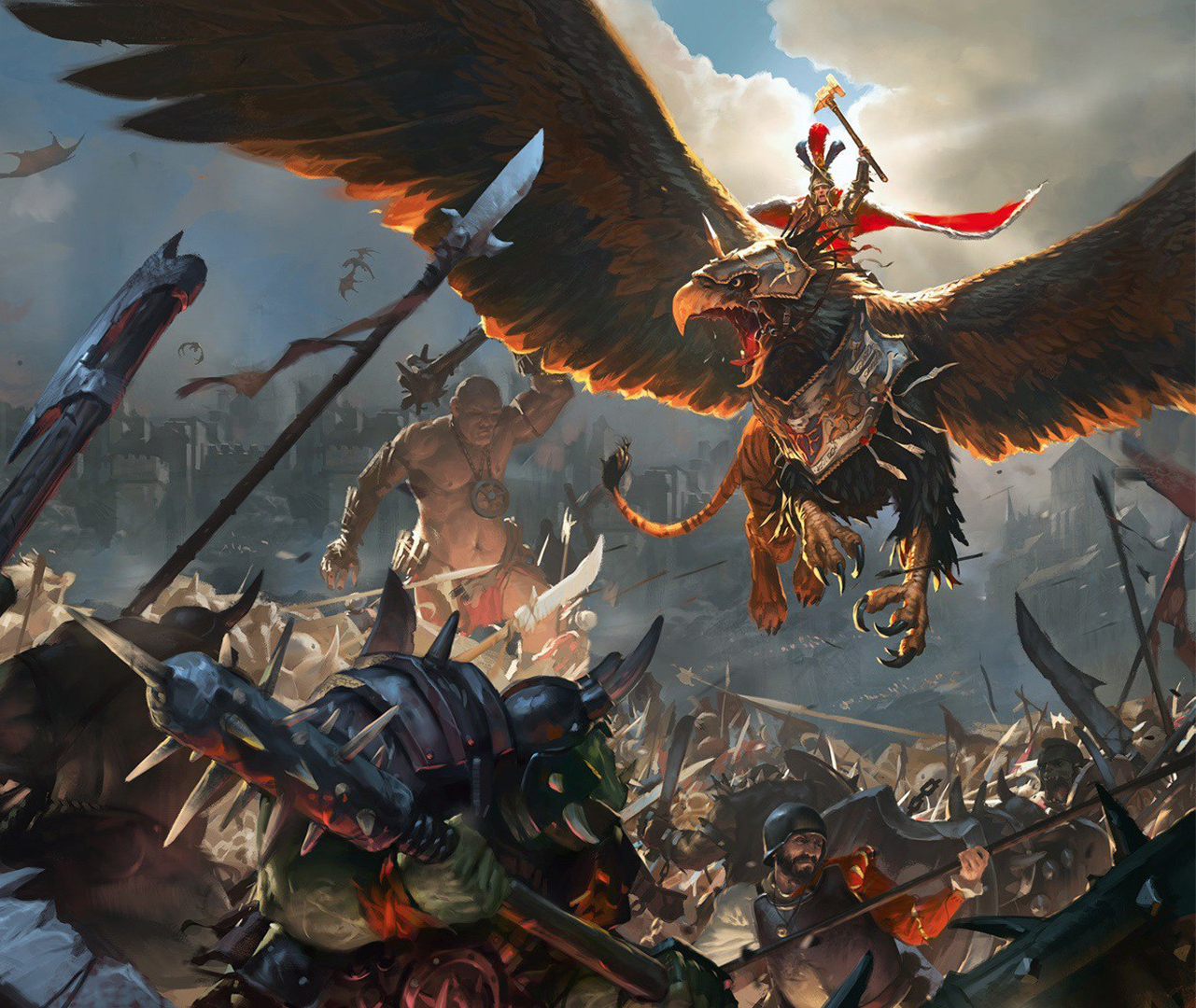
In a landmark moment of developer transparency, Creative Assembly once issued a stark message to the Total War: Warhammer 3 community, acknowledging what it described as a “catastrophic failure in many of our AI systems.” This critical issue, which rendered computer-controlled factions passive and unresponsive on the grand campaign map, became the studio's top priority in late 2023. The developer postponed other news to focus entirely on a fix, marking a crucial turning point for the ambitious strategy title.
This is the story of that failure, the monumental undertaking to correct it, and how the game was pulled back from the brink.
A World in Stasis: The AI's Critical Breakdown
In the war-torn lands of the Old World, passivity is a death sentence. Yet for months, players of Total War: Warhammer 3 found the greatest threat wasn't a rampaging Chaos horde or a cunning Skaven under-empire, but a world that had fallen strangely silent. In an October 2023 blog post, Creative Assembly gave a name to this creeping unease, publicly identifying a “catastrophic failure” within the game's campaign AI.
This wasn't a minor bug; it was a fundamental breakdown in the logic that governs how AI factions operate, expand, and challenge the player. For a grand strategy game, the campaign AI is the engine driving the entire experience. It dictates everything from whether a neighboring empire declares war, to how it builds its provinces, to the armies it sends to the field.
When this system failed, the intricate simulation of a living world ground to a halt. Players universally reported factions remaining inexplicably passive, failing to expand beyond their starting territories, making bizarre diplomatic decisions, and fielding weak, incoherent armies even late into a campaign. This transformed what should have been a dynamic struggle for survival into a static and unfulfilling exercise, undermining the game's immense strategic depth. The early game lacked tension, and the late game, meant to be a crescendo of epic conflict, often saw the player as the lone superpower in a world of underdeveloped, passive states.
Creative Assembly's All-Hands-On-Deck Response
Acknowledging the problem with such candid language—"catastrophic failure"—was a rare and significant move. This frankness came at a time of heightened community frustration following the controversial pricing of the Shadows of Change DLC, making a fix for the core game experience absolutely essential. By pausing its forward-looking content pipeline to dedicate its full attention to overhauling the AI, Creative Assembly sent an unambiguous message: fixing the game was paramount.
The developer’s statement validated the frustrations voiced by the community, suggesting the problem was not a simple tweak but a deep-seated, complex issue within the game's code that required extensive work to untangle. The studio's transparency and prioritization signaled a firm commitment to resolving the issue, no matter the effort required. The focus for the entire community shifted from what was next for Warhammer 3 to whether its present foundation could be saved.
The Fixes: How Patches 4.1 and 4.2 Revived the War
The road to recovery began in earnest with a two-pronged approach. First came Hotfix 4.1 in November 2023, a targeted emergency patch designed to stop the bleeding. Its primary goal was to jolt the AI back into action, addressing the most severe instances of passivity and ensuring factions would once again declare war and expand their borders.
While this hotfix provided immediate relief, the more comprehensive solution arrived with Patch 4.2 in February 2024. This major update delivered a much deeper and more nuanced overhaul of the campaign AI. The patch notes revealed extensive changes aimed at making the AI more aggressive, strategic, and reactive to the player. Key improvements included:
- Increased Aggression: Factions became significantly more likely to declare war and engage in offensive campaigns, breaking the global stagnation.
- Smarter Anti-Player Bias: The logic was adjusted so the AI would not single-mindedly focus on the player to its own detriment, leading to more believable and dynamic international relations.
- Improved Faction Potential: The system governing how factions grow and become powerful was reworked, allowing major powers like the Empire, Dwarfs, and Greenskins to once again become formidable late-game threats.
The success of these patches was measured on the campaign map. Players quickly reported a dramatic change in the game's feel. Factions once again formed powerful alliances, Greenskin hordes rampaged across the Badlands with purpose, and the forces of Chaos began to present a true, world-ending threat. The "Total War" experience, where the whole map could erupt into conflict, had returned.
The Legacy of the AI Failure
Today, the campaign AI in Total War: Warhammer 3 is in a vastly healthier state. While no complex AI is perfect, the "catastrophic failure" of 2023 is a thing of the past. The AI is now an active and often formidable opponent, creating the dynamic and challenging campaigns that are the hallmark of the series.
The incident remains a pivotal chapter in the game's history. It was a moment where severe issues threatened the long-term health of Creative Assembly's flagship title. However, by candidly acknowledging the problem and taking decisive, transparent action, the studio not only fixed the game but also began to rebuild trust with its community. This crucial investment ensured the world of Warhammer is as brutal, dynamic, and unforgettable as it was always meant to be.