
WoW: Midnight UI Overhaul Sparks Addon Concerns
Last Updated: November 3, 2025
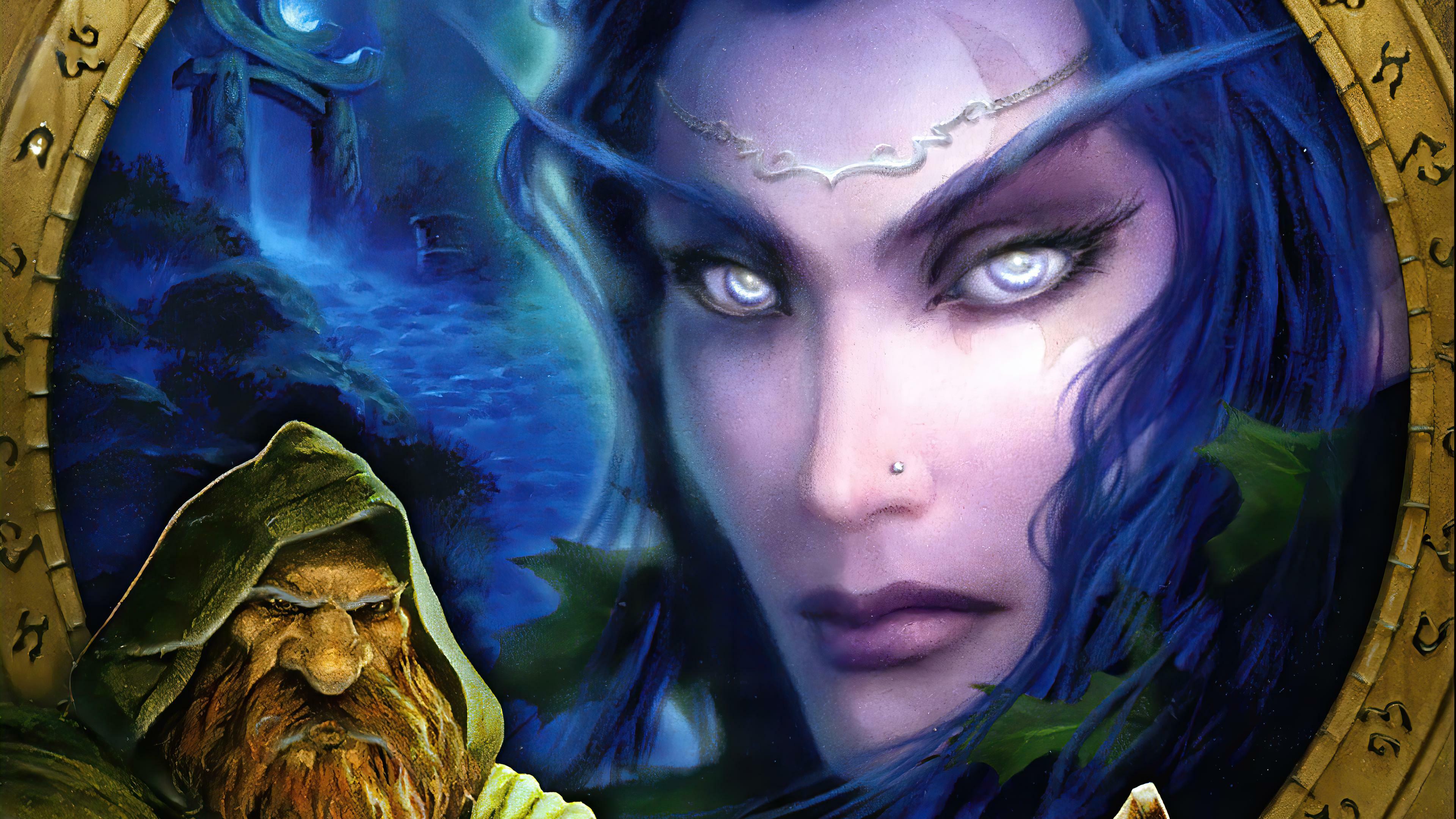
For two decades, World of Warcraft's interface has been a customizable canvas, with third-party add-ons evolving into an indispensable part of the experience for millions. That long-standing tradition now faces its greatest challenge. With the upcoming World of Warcraft: Midnight expansion, Blizzard Entertainment is planning a foundational overhaul that threatens to break compatibility with many of the game's most popular mods, igniting a firestorm of debate and concern within the dedicated player base.
Following the significant UI modernization that began in Dragonflight and continued into The War Within, Blizzard is signaling that Midnight will introduce even more sweeping changes to the core interface and its underlying API. The developer's clear intent is to integrate many features currently provided by essential third-party add-ons directly into the default game client.
A Foundational Shift in Azeroth
While this initiative aims to create a more streamlined and accessible experience for all players, veterans are deeply concerned it will come at a steep cost: the end of the robust, community-driven modding ecosystem as they know it.
For a massive segment of the player base, add-ons are not optional extras; they are fundamental to how the game is played at a high level. From raid encounter warnings provided by Deadly Boss Mods (DBM) and BigWigs to complete UI overhauls like ElvUI and essential quality-of-life tools like WeakAuras, these modifications have defined the player experience for years. They provide a degree of customization and real-time information that the standard UI has historically lacked. The prospect of these tools ceasing to function has sent ripples of anxiety throughout the community.
The Heart of the High-End Experience
Understanding the community's apprehension requires appreciating the central role add-ons play in WoW. In high-stakes raiding and Mythic+ dungeons, success is often dictated by precise timing and awareness of complex, overlapping mechanics. Add-ons like DBM parse combat log data in real-time to provide crucial audio and visual alerts, turning otherwise chaotic encounters into manageable, learnable challenges. Without them, the difficulty and accessibility of endgame content could shift dramatically, potentially alienating a significant portion of the raiding and dungeon-running communities.
Beyond combat, add-ons enhance nearly every facet of the game. Auction house suites like TradeSkillMaster are vital for engaging with the economy, questing add-ons streamline leveling, and comprehensive tools like ElvUI allow players to tailor every on-screen element to their exact preferences. This level of personalization is a key reason many have remained invested in the MMO for so long. The core fear is that Blizzard's integrated solutions, however well-intentioned, will inevitably lack the depth, customizability, and rapid updates that the dedicated modding community provides.
A Community on Alert
The reaction from the player base has been swift and vocal. Forums, Discord servers, and social media platforms are flooded with threads from concerned players who feel Blizzard is fundamentally altering a core feature that has defined their gameplay for years. "This isn't just about convenience," one widely shared Reddit comment reads, "it's about a 20-year-old social contract. Players build the tools that make the game better, and Blizzard allows it. Changing that is a huge risk."
Skepticism remains high regarding Blizzard's ability to replicate the functionality of dozens of beloved, highly-refined add-ons. The modding community is renowned for its agility, often pushing updates within hours of a new patch or hotfix. Players worry that an in-house system will be slower to adapt and less feature-rich than the community-driven alternatives they have come to rely on. To its credit, Blizzard has been more communicative recently, with developers engaging directly with add-on creators in forums and dedicated Discord channels to smooth the transition. However, many players remain wary of the ultimate outcome.
An Unavoidable Evolution
While Blizzard's goal is to modernize the game and lower the barrier to entry for new and returning players, the execution will be critical. If the new, integrated UI successfully incorporates the best aspects of popular add-ons while remaining performant and customizable, it could be a major step forward for the aging MMO. However, if the implementation is clunky, restrictive, or missing key features that players deem essential, it could lead to significant friction and frustration.
For now, the World of Warcraft community watches closely for more information. Precedent from the Dragonflight UI revamp showed that while change is possible, the transition period can be difficult for add-on authors and players alike. The fate of countless mods and the future of the player-customized experience hang in the balance as Azeroth prepares for the sweeping changes promised in the Midnight expansion.