
Bobby Kotick Reveals Why Activision Minecraft Deal Collapsed
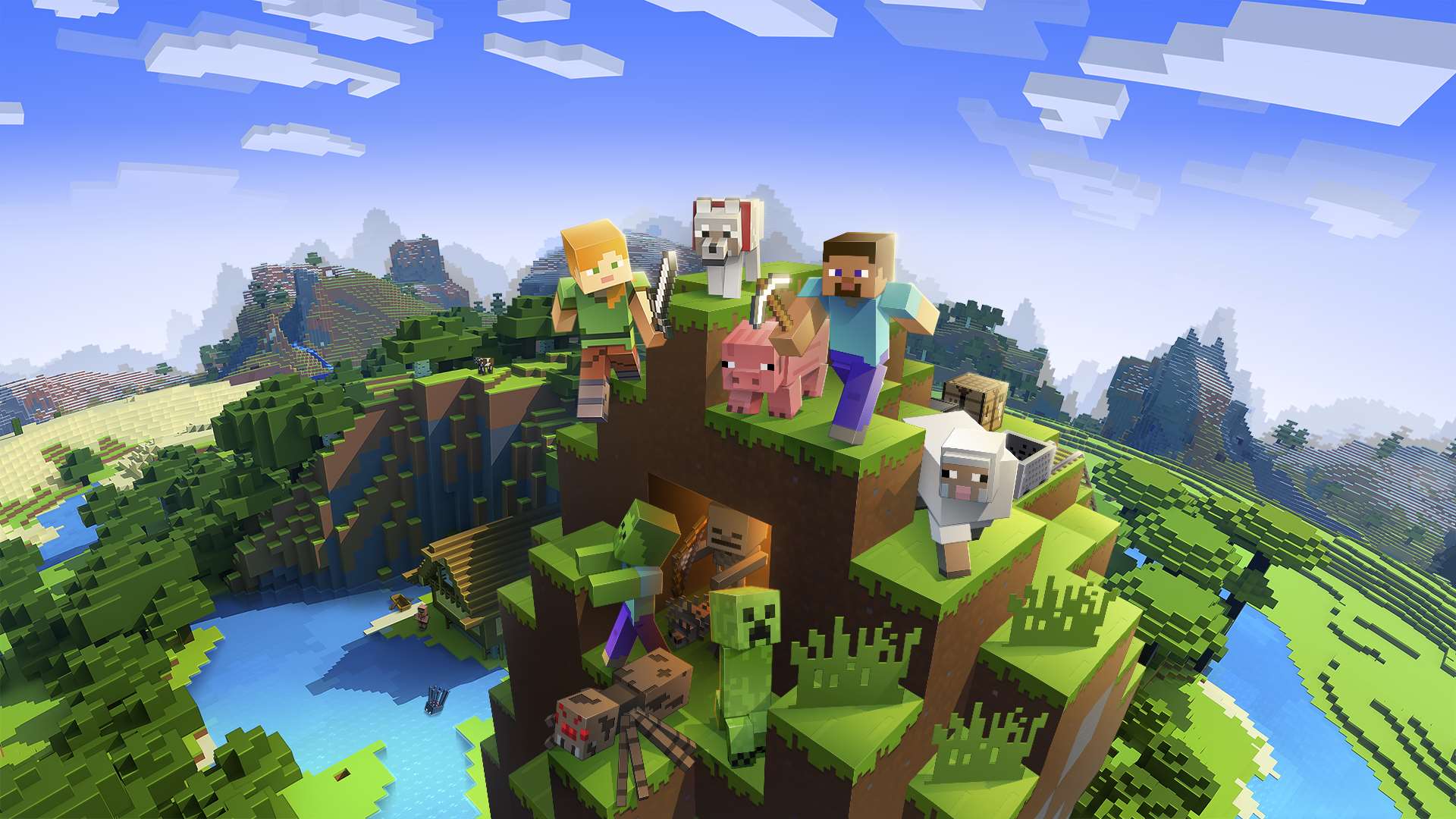
In a stunning revelation that pulls back the curtain on one of gaming's most significant acquisitions, former Activision CEO Bobby Kotick has detailed why his company's ambitious plan to purchase *Minecraft* ultimately fell through. The colossal deal, which would have placed the world-building phenomenon under the same roof as *Call of Duty*, collapsed due to a fundamental disagreement over the future roles of *Minecraft*'s creators.
The historic insight came during a candid conversation on a podcast hosted by Endeavor CEO Ari Emanuel. While Microsoft's landmark $2.5 billion acquisition of *Minecraft* developer Mojang in 2014 is a well-known chapter in industry history, reports have long circulated that other major publishers were also vying for the prize. Kotick has now confirmed Activision's serious intentions, stating simply, "I almost bought it." He then elaborated on the negotiation process and the single issue that became an insurmountable obstacle.
The Deal on the Table
According to Kotick, the acquisition process was far from a simple exchange of offers. It required a deep dive into the unique culture of the Swedish-based developer, Mojang. The former Activision executive recounted spending significant time in Stockholm to understand the team and their creative process. He described the environment as "quirky," a testament to the independent spirit that allowed a game like *Minecraft* to flourish into a global sensation.
Activision was prepared to move forward with a multi-billion dollar offer. However, the deal hinged on a standard, yet critical, component of any major corporate acquisition: securing the talent. Kotick explained that he needed a commitment from the Mojang founders regarding their future with the company.
The core of the disagreement came down to employment contracts. Kotick’s position was straightforward; for Activision to invest billions, the company needed assurances that the creative minds behind the game would remain on board for a defined period to guide its future. This is common practice in acquisitions to ensure a smooth transition and continuity of vision. However, the founders were reportedly hesitant to commit to such a structured, corporate arrangement. This impasse over the post-acquisition roles and responsibilities of the creators ultimately caused the entire deal to dissolve.
A Clash of Corporate and Indie Cultures
The failed negotiation highlights a classic clash between the structured world of a publicly-traded corporation like Activision and the free-flowing, creative-first ethos of an independent studio like Mojang.
From Activision's perspective, the logic was sound and based on proven business principles:
- Protecting the Investment: A multi-billion dollar acquisition is a massive financial risk. Securing the founding talent is a way to mitigate that risk and ensure the "secret sauce" that made the property valuable remains.
- Structured Growth: Large publishers operate on roadmaps, production schedules, and long-term franchise plans. Integrating new leadership into this framework requires clear roles and responsibilities.
- Shareholder Responsibility: As the CEO of a public company, Kotick had a fiduciary duty to his shareholders to make acquisitions that were as secure and predictable as possible.
From the perspective of the Mojang founders, particularly creator Markus "Notch" Persson, who had previously expressed feeling the immense pressure of *Minecraft*'s success, the hesitation is also understandable. Committing to a long-term contract within a massive corporate entity could have been seen as trading one form of pressure for another and sacrificing the very creative freedom that made their success possible in the first place.
How Microsoft Closed the Deal
Just a short time later, Microsoft successfully navigated these waters and acquired Mojang for $2.5 billion. While the precise details of their negotiations remain private, the outcome suggests their approach was different. It is widely believed that Microsoft's offer provided a clear and clean exit for Markus Persson, who departed the company upon the sale's completion.
Instead of demanding long-term commitments from founders who were ready to move on, Microsoft's strategy appeared to focus on acquiring the intellectual property and empowering a new internal team to shepherd its future. Under the leadership of Xbox head Phil Spencer, Microsoft has treated *Minecraft* not just as a single game, but as an enduring platform and a global brand. The game has since been brought to nearly every device imaginable, expanded with new content and spin-off titles like *Minecraft Dungeons* and *Minecraft Legends*, and has become a cornerstone of the Xbox Game Pass service. Its sales have skyrocketed, making it one of the best-selling video games of all time.
This immense success story only magnifies the scale of Activision's missed opportunity. Kotick's recent comments provide a fascinating "what if" scenario for the gaming world, leaving fans and analysts to wonder how different the *Minecraft* universe might look today had it been guided by the publisher of *World of Warcraft* and *Overwatch*.
Frequently Asked Questions (FAQ)
Why didn't Activision buy Minecraft?
According to former CEO Bobby Kotick, the deal fell apart because Activision and the Mojang founders could not agree on the terms of employment contracts and the founders' future roles at the company post-acquisition.
Who eventually purchased Minecraft and its developer, Mojang?
Microsoft acquired Mojang and the *Minecraft* intellectual property in September 2014 for $2.5 billion.
Where did Bobby Kotick make these comments?
He revealed the details of the failed *Minecraft* deal during an appearance on a podcast hosted by Ari Emanuel, the CEO of Endeavor.
Is Bobby Kotick still the CEO of Activision?
No, Bobby Kotick departed from his role as CEO of Activision Blizzard in late 2023 following the completion of Microsoft's acquisition of the company.