

CD Projekt Red Feared Arkham Knight Would Overshadow Witcher 3
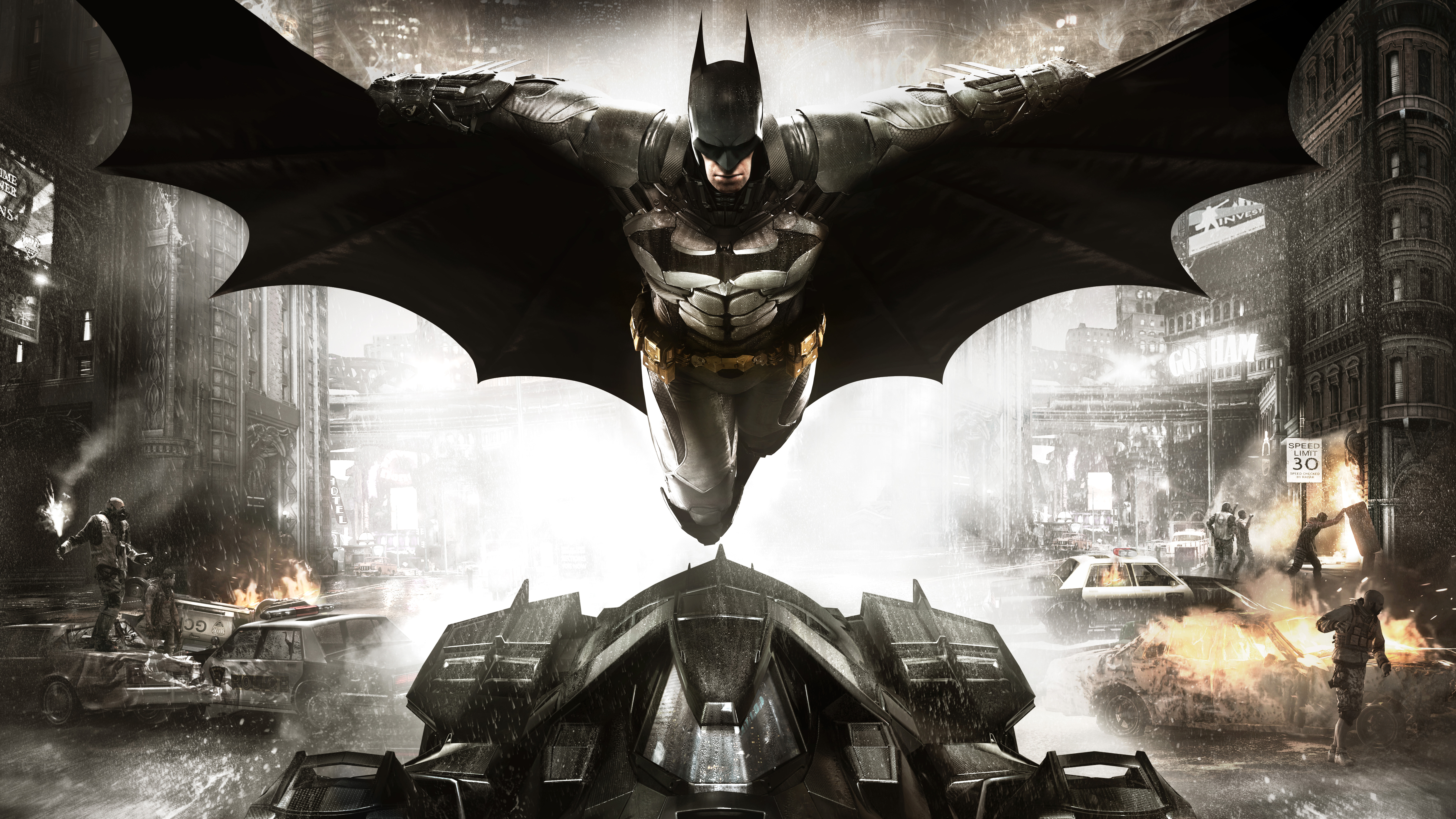
Before The Witcher 3: Wild Hunt became a generation-defining, award-winning RPG juggernaut, the mood at developer CD Projekt Red was one of deep-seated anxiety. Newly revealed details from behind the scenes paint a picture of a studio terrified that its ambitious project would be completely flattened by another open-world behemoth releasing at the same time: Batman: Arkham Knight. The fear was so palpable that the team believed the Caped Crusader’s Batmobile alone was enough to crush their chances.
This fascinating insight comes from a recent documentary series exploring the history of video games, where key developers shared their memories of the intense period leading up to the 2015 launch. Philipp Weber, a quest designer on the game who is now the acting campaign director for the next Witcher title, recalled the team’s apprehension with striking clarity.
A Batmobile-Sized Shadow
To understand CD Projekt Red’s fear, one must look at the gaming landscape in 2015. At the time, CDPR was a respected Polish studio, primarily known for the first two Witcher games. While The Witcher 2: Assassins of Kings was a critical darling, the studio had not yet achieved the global, mainstream superstar status it holds today. They viewed themselves as underdogs going up against an industry titan.
On the other side was Batman: Arkham Knight. It was the finale to Rocksteady's universally acclaimed Arkham trilogy, a series that had redefined superhero games. The marketing campaign was colossal, and its central, most-hyped feature was the fully drivable Batmobile, which promised to let players tear through the streets of Gotham. The combination of a world-famous IP, a beloved developer, and a blockbuster marketing push made Arkham Knight look like an unstoppable force.
The Polish studio’s anxiety was rooted in this David-and-Goliath perception. They feared that their sprawling fantasy world, centered on the comparatively niche character of Geralt of Rivia, would be completely overshadowed by the cultural might of Batman.
A Tale of Two Launches
As history now shows, CD Projekt Red’s fears, while understandable, were unfounded. The Witcher 3: Wild Hunt launched on May 19, 2015, to a tidal wave of perfect scores and universal acclaim. Critics and players alike were captivated by its immense, living world, the emotional depth of its storytelling—exemplified by quests like the "Bloody Baron"—and its masterfully written characters. It didn't just meet expectations; it shattered them, setting a new gold standard for the open-world RPG genre. The game went on to sell over six million copies in its first six weeks.
Just over a month later, on June 23, 2015, Batman: Arkham Knight arrived. While the console versions were well-received, the game's launch was marred by a catastrophic PC port. Plagued by severe stuttering, frame rate drops, and a host of technical bugs, the PC version was in such a poor state that it was ultimately pulled from digital storefronts for months of repairs. The very platform where CD Projekt Red had built its reputation became the site of its competitor’s biggest stumble.
In a remarkable turn of events, the game CDPR feared would "roll over" them ended up facing its own significant hurdles, while The Witcher 3 enjoyed one of the smoothest and most successful launches in modern gaming history.
From Underdog to Industry Leader
This candid look into the development process highlights the immense pressure and uncertainty that even the most talented studios face. The "underdog mentality" that Weber described may have been a powerful motivator, pushing the team to polish every quest and refine every system to ensure their game could stand on its own merits.
The runaway success of The Witcher 3 catapulted CD Projekt Red into the top echelon of game developers. It was no longer just a respected Polish studio but a global powerhouse. The game has since sold over 50 million copies, won hundreds of Game of the Year awards, and spawned a hit Netflix series, cementing Geralt of Rivia as a household name.
Looking back, the story serves as a powerful testament in the gaming industry: while marketing and brand recognition are powerful, they cannot replace the profound impact of a truly groundbreaking, high-quality experience. CD Projekt Red’s fear of being crushed by the Batmobile was real, but in the end, it was the depth and heart of their own world that conquered all.