
Fortnite AI Art Scandal: Fan Outcry, Epic's Silence
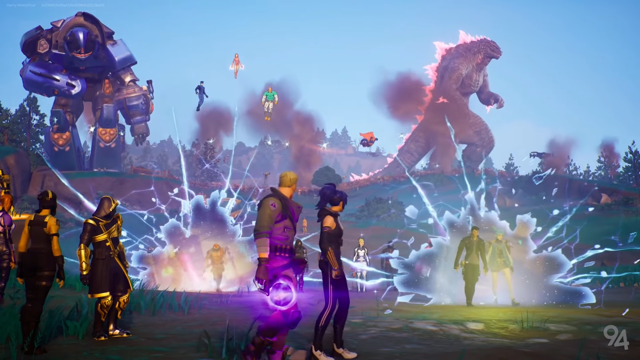
The gaming world is abuzz as dedicated Fortnite players are sounding the alarm over what they claim is the blatant inclusion of AI-generated artwork within the game's latest season. This escalating controversy has forced one collaborating artist to defend their work, even as developer Epic Games remains conspicuously silent, fueling widespread fan frustration and sparking a heated debate about AI's role in creative industries. The most shocking alleged discovery? A character depicted in a hammock with an irregular, nine-toed foot, sparking immediate suspicion across social media.
Fortnite Fans Uncover 'Blatant' AI Art, Demand Answers
Fortnite's passionate community has taken to platforms like Reddit, meticulously scrutinizing in-game assets for tell-tale signs of AI generation. The most prominent example sparking outrage is a promotional poster for a new location, "Mile High Retreat," which depicts a character with an unmistakably anomalous foot – five toes on one, four on the other. This visual inconsistency has become a focal point for fans arguing against AI's presence.
Beyond the nine-toed character, players are also scrutinizing an in-game poster featuring the "Tomatohead" character in a chat show setting, noting peculiar, "glassy-eyed" rendering. Furthermore, a mysterious song titled "Latata," slated for an upcoming emote, has drawn attention, with some speculating it might be stock music rather than a new AI creation. The collective sentiment among fans is clear: they are vehemently pushing back against the perception of AI art polluting the distinct, beloved style of Fortnite, with many asserting that generative AI "has no place" in the game given Epic's vast resources and human talent.
Artist Responds to AI Accusations, Admits Accidental Elements
Amidst the swirling accusations, freelance artist Sean Dove, a frequent Fortnite collaborator, took to Instagram to address claims about his Studio Ghibli-esque rendition of Marty McFly. Dove publicly showcased his meticulous manual drawing process for the main character, unequivocally stating it was his own creation. However, in a surprising admission, Dove acknowledged the potential for inadvertently incorporating AI elements into the background of his piece. Specifically, he identified a clock in the background, explaining, "I grabbed some clocks off image search, collaged them, and halftoned them. The numbers are bad, entirely possible I grabbed an AI clock and wasn't paying attention." This partial admission highlights the increasing challenges artists face in distinguishing between human and AI-generated assets in a rapidly evolving digital landscape.
Epic Games' Silence Amidst Broader AI Debates
As the controversy intensifies, Epic Games has maintained a notable silence on the matter, declining to comment when approached by IGN. This lack of official clarification only deepens the mystery and further inflames the player base. The company is, of course, no stranger to AI technology, having previously utilized generative speech for James Earl Jones' Darth Vader portrayal, a move that proved controversial despite Disney's approval.
Epic Games' CEO, Tim Sweeney, has recently been vocal about his perspective on AI. Just last week, he suggested that Valve should eliminate AI Generated Content Disclosure labels for games on its Steam platform, arguing that AI's pervasive future role in production would render such warnings redundant. Sweeney's stance that "AI will be involved in nearly all future production" certainly adds a complex layer to the current Fortnite debate. Furthermore, Fortnite's own user-created experiences already frequently feature AI artwork for their thumbnails, a practice Epic has previously indicated is "pointless to police" due to rapid technological advancements. This latest fan-driven investigation into Fortnite's core art assets simply underscores the growing difficulty in 2025 of definitively discerning what is human-made and what is AI-generated.