
Guide: Spyro's Fall From Grace: What Happened to the PlayStation Icon?
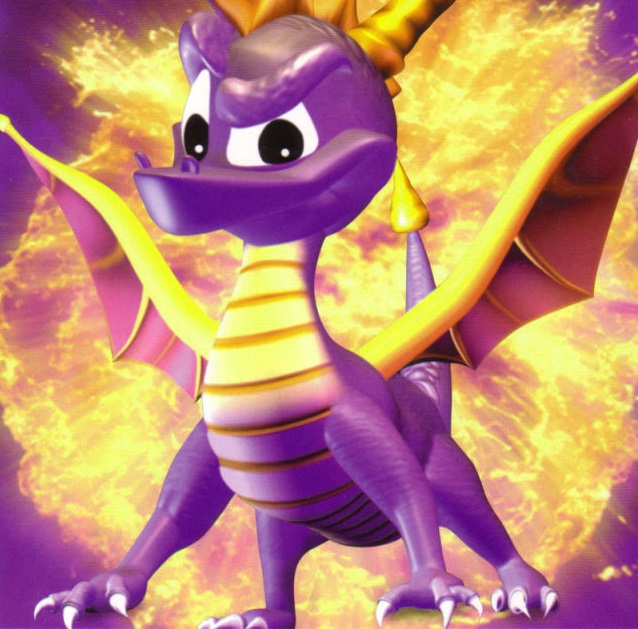
Oh, Spyro. Just hearing that name likely conjures a wave of nostalgia for many of us who grew up with a PlayStation controller firmly in hand. You were once a titan, a fiery dragon soaring through vibrant worlds, collecting gems, and charming a generation of gamers. Yet, as the years have turned into decades, that vivid purple hue has faded into the shadows of gaming obscurity, relegated to cameo appearances and forgotten shelves. What on earth happened?
How did one of gaming's most iconic characters glide from the top of the charts into the valley of the forgotten, joining the likes of Sly Cooper, Conker, and the poor monkeys from Ape Escape? It’s a sad tale, indeed, but one worth revisiting to understand the fickle nature of the gaming industry – and perhaps, just perhaps, to rekindle a spark of hope for our dragon friend.
The Fiery Genesis: Insomniac's Reign of Glory (1990s)
To understand Spyro's demise, we must first appreciate his genesis. The year was 1998, and Insomniac Games unleashed Spyro the Dragon onto the original PlayStation. It wasn't just another 3D platformer; it was the 3D platformer that dared to be different. While Mario bounced and Crash spun, Spyro soared. His wings weren't just for show; they allowed for expansive levels and thrilling flight missions, making the game feel less like a series of obstacles and more like a grand adventure.
The game dripped with charm, from its expressive character designs to the inimitable voice talents of Tom Kenny – yes, the SpongeBob SquarePants himself! Insomniac went on to craft two more masterpieces, Ripto's Rage! (1999) and Year of the Dragon (2000), solidifying Spyro's status as a PlayStation icon. These games weren't just good; they set a standard, a benchmark of quality and innovation that, heartbreakingly, no future Spyro title would ever truly reach. Then, as quickly as he rose, Insomniac's contract with publisher Universal ended, and the studio moved on to forge new legends with Ratchet & Clank and, more recently, the stellar Marvel's Spider-Man series.
What made Insomniac's Spyro trilogy iconic?
- Unrivaled Gliding Mechanic: Spyro's wings weren't just a gimmick; they redefined 3D platforming, allowing for verticality and exploration unmatched by rivals.
- Expansive, Cohesive Worlds: Levels felt less like segmented stages and more like interconnected realms waiting to be explored, filled with secrets and personality.
- Charming Design & Voice Acting: From Spyro's sassy wit to Moneybags' greedy snorts, the characters were memorable, brought to life by excellent art direction and Tom Kenny's talent.
- Consistent Quality: All three games maintained a high level of polish, innovation, and fun, creating a beloved and cohesive trilogy.
- PlayStation Exclusivity: Spyro was a flagship title for Sony, showcasing the console's capabilities and becoming synonymous with the PlayStation brand.
A Desperate Glide: The Wilderness Years (2000-2006)
After Insomniac's departure, Spyro entered a developmental wilderness. Various studios attempted to fill those impossibly large dragon shoes, with largely disastrous results. We saw a slew of handheld games – some understandable given GBA limitations, like the surprisingly decent Spyro 2: Season of Flame – but the true decline began with the console titles.
For me, the real descent into obscurity began with 2002's Spyro: Enter the Dragonfly. There were no excuses here. It had a proven formula and newer hardware than the original trilogy. What it delivered was a buggy, imagination-deprived, and shockingly short experience. The studios behind it, Check Six Studios and Equinoxe Digital Entertainment, folded within months of its launch. That tells you everything you need to know about the quality they delivered.
The Legend of a New Beginning: A Blockbuster Bet (2006-2008)
In 2006, publisher Vivendi tried to reboot the series with The Legend of Spyro trilogy, kicking off with A New Beginning. This was an ambitious effort, launching on four different platforms with four different developers. The emphasis shifted dramatically from exploration to combat, attempting to inject a more cinematic, blockbuster feel. You can't fault the ambition, or the incredible voice cast, which included Elijah Wood as Spyro, alongside Gary Oldman, Kevin Michael Richardson, and David Spade.
It felt like Spyro's attempt at a "Star Wars moment," a grand epic. But the quality just wasn't there, and consequently, neither were the sales. The trilogy fizzled out, leaving many to believe it was the final nail in Spyro's coffin.
Skylanders: A Divisive Diversion (2011 onwards)
Following Activision's merger with Vivendi, Toys for Bob took the reins in 2011, leading to the highly divisive Skylanders. And I'll be honest, I absolutely hated it. For fans who grew up with the original trilogy, seeing Spyro reduced to a portal-bound toy felt like an affront, a cynical IP grab rather than a genuine attempt to evolve the character. His presence felt less about making the game better and more about leveraging a recognizable name.
However, I can't deny its success. For many, Skylanders was their first introduction to Spyro, and for that, it holds a special place in their hearts. Just not mine. My heart-space remains firmly reserved for my old pal, Moneybags.
Key Moments in Spyro's Post-Insomniac Decline:
- Insomniac's Departure (2000): The original visionary creators left, taking their consistent quality and innovative spirit with them.
- Spyro: Enter the Dragonfly (2002): A buggy, uninspired, and short game that set a new, significantly lower bar for the series on consoles.
- Shift in Gameplay Focus (2006): The Legend of Spyro trilogy drastically altered the core exploration-platforming gameplay to combat, alienating original fans without attracting a new mass audience.
- Skylanders Reboot (2011): While commercially successful, it fundamentally changed Spyro's identity, sidelining him as a "toys-to-life" figure rather than a standalone gaming hero.
- Lack of New Mainline Games (Post-2018): Despite the immense success of the Reignited Trilogy, a new, original Spyro adventure has yet to materialize, indicating a continued lack of faith or direction.
Reignited Hope and Lingering Questions (2018-Present)
Then came a glimmer of hope. In 2018, the Spyro Reignited Trilogy arrived, following the success of the Crash Bandicoot N. Sane Trilogy. This wasn't a new game, but a loving remaster of Insomniac's original three, with updated visuals and a revamped soundtrack. It was a massive hit, selling over ten million copies by the end of 2023 and earning critical acclaim. It seemed to scream: "There's an audience for Spyro! Give us more!"
Yet, here we are, years later, and silence. No new games. Our fiery friend has made a couple of guest appearances in Crash games like Crash Bandicoot: On the Run! and Crash Team Rumble. And frankly, this just makes the situation even more depressing. Spyro, once a headliner, is now a supporting act in Crash's world, relegated to the same tier as Dingodile and N. Tropy. Worse still, neither of those games set the world on fire, proving that cameos aren't a substitute for genuine new experiences.
Who's to Blame? Or, More Importantly, What Now?
Pinpointing blame for Spyro's fall is a thankless task. Was it Universal for not finding a suitable replacement for Insomniac? Was it Insomniac for moving on? Was it the various developers who couldn't capture the magic? It's a complex tapestry of corporate decisions, creative missteps, and changing industry trends.
The real question isn't who to blame, but what happens next. And the answer, at the moment, is frustratingly blank. Rumors surfaced recently about a canceled Crash game that heavily featured Spyro, but concrete news about a new game is nonexistent. It feels like a massive missed opportunity; someone, somewhere, is leaving money on the table. It’s the same feeling I get when I realize the first three generations of Pokémon aren't available on the Switch. Do publishers simply not want our money anymore?
Still, I hold onto a sliver of hope. The success of recent 3D platformers like Astro Boy and Donkey Kong Bananza proves the genre is far from dead. And then there's the elephant in the room: Microsoft. Following their acquisition of Activision Blizzard, the rights to Spyro now sit with Xbox. With Xbox reportedly struggling, could they turn to a beloved, fan-favorite IP like Spyro to reignite interest, perhaps even kickstarting an exclusivity war? It’s pure speculation, wishful thinking even, but stranger things have certainly happened in this industry.
The Verdict: Spyro's journey is a cautionary tale about the importance of consistent vision and quality, especially when handling beloved IP. His decline highlights what can happen when a character becomes a corporate asset rather than a creative passion. But the success of the Reignited Trilogy proved that the dragon's fire still burns brightly in the hearts of millions. Here's hoping Microsoft sees that potential and brings our purple hero back to the skies where he belongs, not as a forgotten relic, but as a legend reborn.
FAQ
Q1: Why did Insomniac Games stop making Spyro games?
Insomniac Games' contract with the original publisher, Universal, concluded after the release of Spyro: Year of the Dragon in 2000. Following this, Insomniac decided to pursue new projects, most notably creating the Ratchet & Clank series and later working on Marvel's Spider-Man games.
Q2: Was the Spyro Reignited Trilogy a success?
Absolutely. The Spyro Reignited Trilogy, released in 2018, was a massive commercial success, selling over ten million copies by the end of 2023. It also received strong critical acclaim, indicating a significant appetite for Spyro among fans old and new.
Q3: Who owns the rights to Spyro the Dragon now?
As of 2025, the rights to Spyro the Dragon are owned by Microsoft. This came about through Microsoft's acquisition of Activision Blizzard, which previously held the IP after its merger with Vivendi Games.