
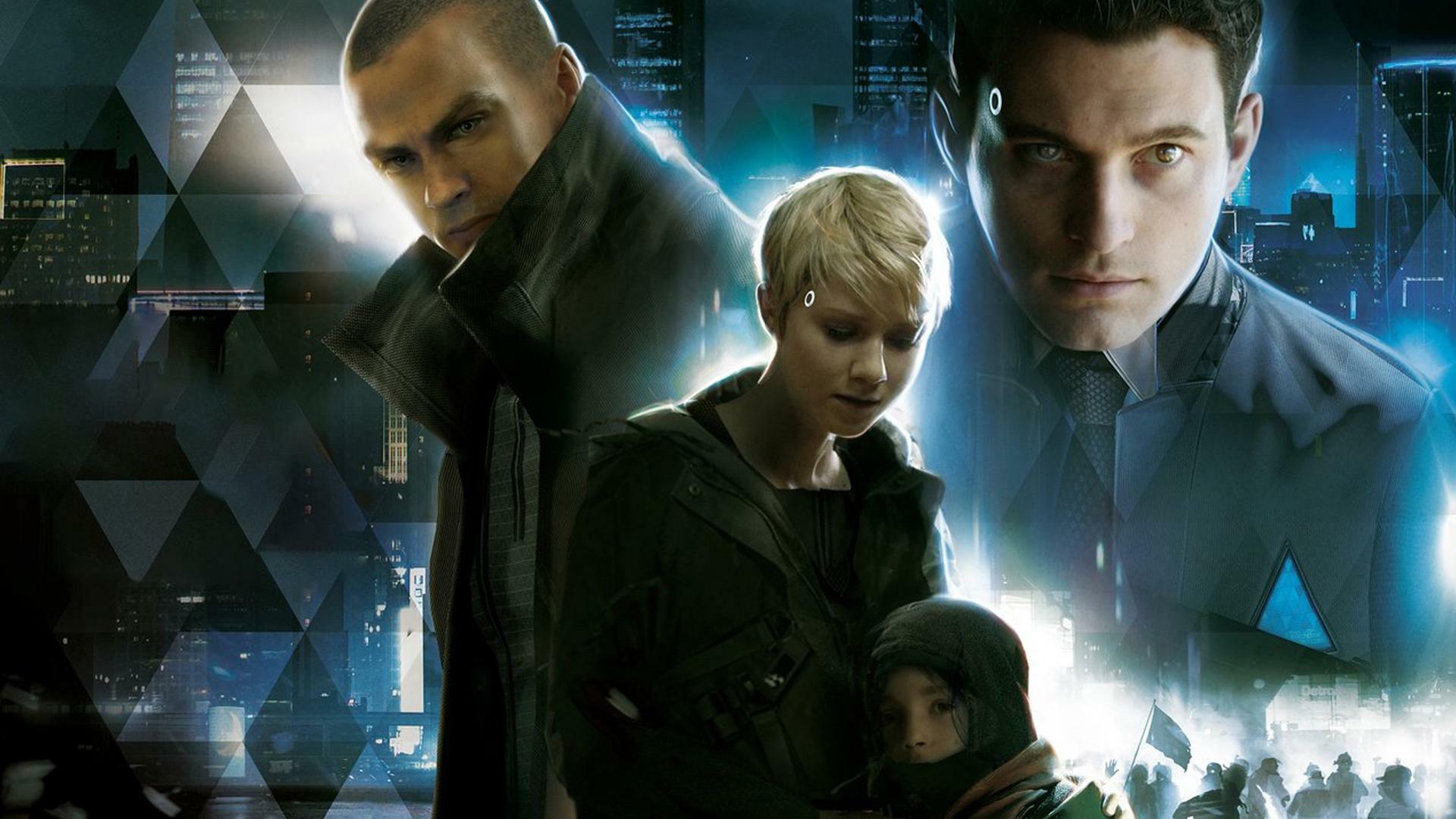
Detroit: Become Human Hits 15 Million Sales, But the "Fire Sale" Strategy Tells a Bigger Story
The Bottom Line: Quantic Dream’s flagship narrative thriller, Detroit: Become Human, has officially crossed the 15 million units sold mark. While David Cage is celebrating the "shared journey" of his players, our analysis shows this milestone was heavily manufactured by aggressive "bottom-barrel" pricing on Steam, where a $3.99 holiday tag triggered a massive 1-million-copy surge and record-breaking concurrent player counts seven years after launch.
We’ve seen this pattern before with aging "must-play" exclusives that eventually migrate to PC. For Quantic Dream, this 15-million figure is a double-edged sword: it proves the enduring appeal of their "interactive cinema" formula, but it also highlights a massive content drought at the studio. Detroit remains their most relevant title because, quite frankly, they haven't shipped anything else since 2018.
Key Performance Metrics: Detroit’s 7-Year Sprint
| Metric | Data Point | Significance |
|---|---|---|
| Total Lifetime Sales | 15 Million Units | Positions it as a top-tier narrative heavyweight. |
| Holiday 2023 Surge | 1 Million+ Copies | Driven by an all-time low price of $3.99/£3.39. |
| Peak Engagement | Steam All-Time High | Price-elasticity remains the biggest factor for PC growth. |
| Development Gap | 7 Years | Longest period in studio history without a new release. |
The "Long Tail" of Narrative Gaming
In our experience, narrative-driven games usually have a sharp fall-off. Once the spoilers are out and the "best ending" is on YouTube, the incentive to buy drops. Detroit defied this during the recent holiday window. By dropping the price to the cost of a cup of coffee, Quantic Dream tapped into a massive demographic of "wait-for-sale" gamers who missed the 2018 PS4 hype cycle. This isn't just organic growth; it’s a calculated clearance sale that successfully onboarded a million new users into the ecosystem.
We believe this surge is also a strategic move to keep the brand alive as the studio navigates a rocky transition. David Cage’s team is currently juggling a manga adaptation (a move we find baffling but harmless) and the high-stakes Star Wars: Eclipse. However, the real concern is their upcoming project, Spellcasters Chronicles.
Analysis: The Live Service Gamble
Quantic Dream is planning to step outside their comfort zone with a live-service pivot. Historically, this is where specialized studios stumble. We’ve watched BioWare and Rocksteady struggle to translate single-player mastery into the "forever game" grind.
- The Narrative Conflict: Can a studio known for heavy, choice-based consequences actually deliver a compelling live-service loop?
- The Risk: Detroit succeeded because it was a polished, one-and-done prestige experience. Spellcasters Chronicles risks alienating the very fan base that just pushed the studio to 15 million sales.
While the 15 million milestone is a massive win for David Cage’s "empathy and humanity" mission, the studio is effectively coasting on its past. The massive influx of new players at a $4 price point gives them a fresh audience, but whether those players will stick around for a live-service "gamble" or wait years for Star Wars: Eclipse remains a major question mark for the studio’s longevity.