
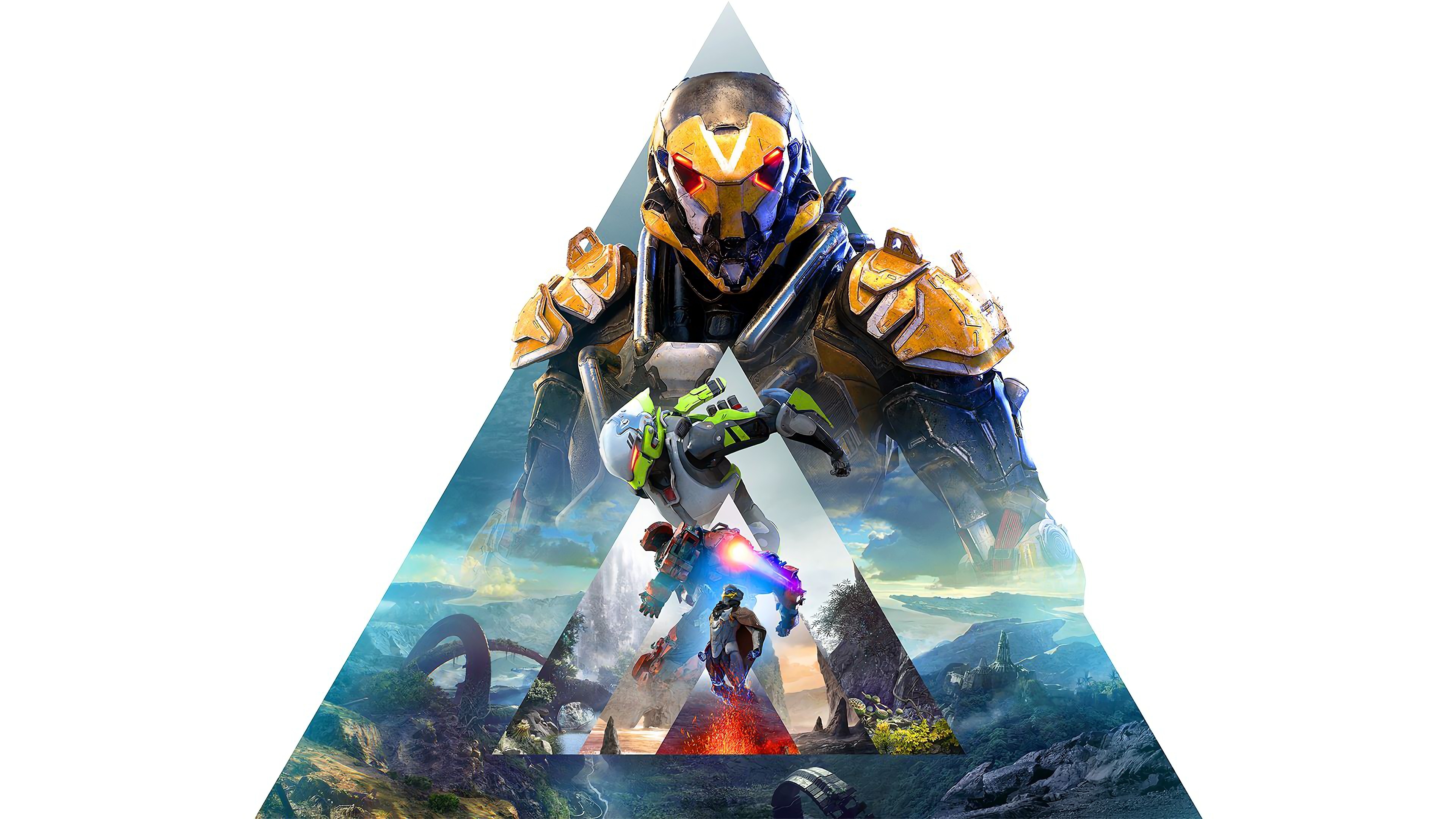
The Death of Anthem: A Post-Mortem on BioWare’s Muddled Flight of Fancy
The Bottom Line: After nearly six years of life support, Anthem is finally being put out of its misery. BioWare’s ambitious looter-shooter, once touted as the studio’s "Destiny killer," serves as a stark reminder that even legendary developers can’t brute-force their way into a genre they don't understand. It was a game caught between two conflicting identities—a narrative-heavy RPG and a grindy live-service shooter—that ultimately failed to satisfy fans of either.
From High Hype to Hard Landing
In 2019, the industry was a different place. BioWare was still clinging to its status as a premier RPG powerhouse, despite Mass Effect: Andromeda being turned into a meme-factory two years prior. We remember the narrative at the time: Andromeda was the "B-team" project, while the "real" BioWare was heads-down on Anthem. We expected a triumphant return to form. Instead, we got a cautionary tale about "BioWare Magic" running out of mana.
The marketing was a mess from the jump. EA wanted an explosive action-shooter to rival Destiny, while BioWare’s leadership kept insisting there would be "meaningful choices" and "thought-provoking world-building." It was a design brief at war with itself. While the flight mechanics were—and still are—best-in-class, the "Bungle in the Jungle" (as we dubbed it) was undone by shocking design choices and a total lack of endgame content.
The Data: A Community Divided
Our internal metrics and reader polls from the launch window tell a story of "what could have been." While the initial demo saw high engagement, the cracks were visible before the game even hit retail shelves.
| Reader Sentiment (Launch Demo) | Percentage |
|---|---|
| "Absolutely Superb" | 22% |
| "Spent Hours Playing It" | 41% |
| "Good, but nothing amazing" | 31% |
| "Disappointing / Really Bad" | 30% (Combined) |
We slammed the game with a 5/10 at launch. Our take was simple: the combat was flashy and satisfying, but the surrounding systems were woefully undercooked. We warned that the game might not be given the time it needed to bloom, and EA—ever the ruthless publisher—proved us right.
Why Anthem Never Recovered
It wasn't just the technical bugs or the "loot-splosion" droughts that killed Anthem. It was a failure of expectations. Consider these three factors that sealed its fate:
- The Sales Gap: EA set an absurdly high bar, estimating 6 million sales in six weeks. When the game tripped over its own feet, the funding for the promised "Anthem 2.0" overhaul was the first thing on the chopping block.
- Live-Service Inexperience: Outside of the (surprisingly good) Mass Effect 3 multiplayer, BioWare had zero experience maintaining a persistent online world. They were learning the ropes in public, and the players didn't have the patience to be guinea pigs.
- Identity Crisis: The "always-online" requirement felt forced. It alienated the solo-RPG crowd while the lack of meaningful social hubs and raid content pushed away the hardcore looter-shooter fans.
The Legacy of the Javelin
Our recent data shows that nostalgia hasn't exactly softened the blow for everyone, though there is a vocal contingent that believes the game deserved better. In a recent poll, 45% of our readers felt the game should have received more support, while 43% maintained it was fundamentally flawed from the start.
The tragedy of Anthem isn't that it was a bad game—it was an incomplete one. The flight and combat felt like Iron Man done right, a mechanical feat that few games have replicated since. But in the modern era of gaming, "cool mechanics" can't save you if the loop is broken. As the servers finally go dark, let this be a lesson to the industry: you can’t build a "forever game" on a foundation of sand.
Did you suit up in a Javelin, or did you see the writing on the wall in 2019? We want to hear your launch day horror stories—or your defense of the game—in the comments.