
Anthem Update: EA Pulls Plug January 2026 Revealed
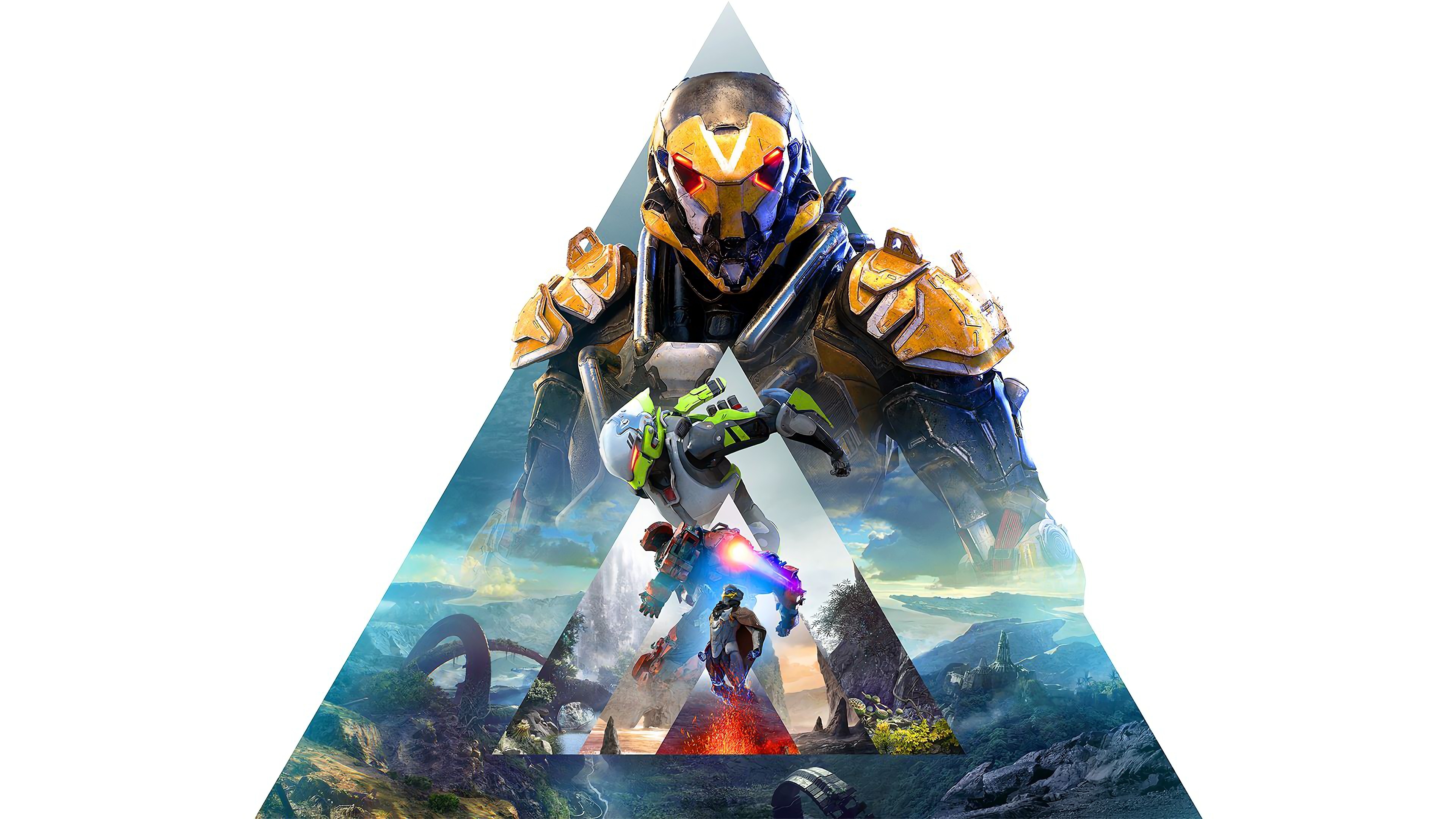
The clock is ticking, Freelancers. Seriously, it's ticking louder than a Javelin overheating after a furious assault. As we usher in 2026, a somber deadline looms large: January 12th. That's the day EA pulls the plug on Anthem, BioWare's ambitious, often maligned, and ultimately ill-fated multiplayer venture. Once those servers go dark, they're likely gone for good.
It feels like only yesterday we were strapping into our customizable exosuits, gazing at the beautiful, perilous world of Coda, and dreaming of what Anthem could be. We've had this date circled in our calendars since EA's announcement last summer, but somehow, the finality of it still hits different as the days dwindle. It seemed so far off then, a distant echo. Now, it's a whisper in the wind, a countdown to oblivion for a game many bought, played, and maybe, just maybe, hoped would one day find its true form.
There's no word yet on a "switching off event," a grand farewell for the community that stuck by it, and honestly, it feels like a missed opportunity. But regardless, the end is undeniably nigh.
The Echoes of a Disappearing World
Here's the stark reality of the live service model: when a game like Anthem is entirely online, its server shutdown means complete unplayability. It doesn't matter if you own a physical copy or purchased it digitally; without those servers, it's just a fancy coaster. This phenomenon has sparked real frustration across the gaming community, fueling movements like "Stop Destroying Games" and "Stop Killing Games," which are campaigning for legislative protections for game preservation.
It raises a thorny question, doesn't it? If a game isn't pulling in enough players to cover server costs, what's a publisher to do? Bleed money indefinitely? Or is there a middle ground, like releasing the code to the community? The latter, I'm sure, is far more complex than it sounds, riddled with licensing and technical hurdles.
But for players, the sentiment is simple: they bought a game, and now it's being taken away. This creates a fundamental disconnect and erodes trust in the digital ownership model that underpins so much of modern gaming.
Anthem's Identity Crisis and BioWare's Path
In many ways, Anthem's demise feels symbolic of a particularly turbulent chapter in BioWare's storied history. This is a studio revered for its rich, single-player RPG epics like Mass Effect and Dragon Age. Yet, they were pushed, perhaps even pressured, to make a colossal bet on a multiplayer live service game. As one key figure involved in the project once told me, it was a "dichotomy"—a game trying to be two things: a classic BioWare narrative experience and a sprawling online world. It ended up being neither, a sentiment echoed in Eurogamer's review, where Oli called it a game "shaken apart by its own identity crisis."
The ambitious plans for an Anthem 2.0 reboot, intended to salvage and revitalize the experience, ultimately withered and died. This piling on top of Mass Effect: Andromeda's struggles in 2017, following the relative high of Dragon Age: Inquisition in 2014, left BioWare in a precarious spot. Even the eventual release of Dragon Age: The Veilguard in 2024, after a decade of development drama (including a stint as a multiplayer title itself!), didn't fully resolve their challenges.
Now, all eyes are fixed on the mysterious, fifth Mass Effect game currently in development. Its success could very well be the linchpin for BioWare's future. Though, with EA's massive, sports-focused Saudi Arabian acquisition drawing closer, the landscape is shifting, and what new owners may want is anyone's guess.
The Implications of a Game's Digital Disappearance:
- Loss of Player Investment: Gamers lose access to a product they purchased, often with dozens or hundreds of hours invested.
- Erosion of Trust: It fosters skepticism towards future live service titles and digital-only purchases.
- Historical Blind Spots: Gaming history becomes fractured, with titles permanently lost to future generations.
- Creative Void: Unique worlds, mechanics, and stories are erased, regardless of their initial reception or potential.
- A Call for Preservation: It highlights the urgent need for industry-wide solutions for game archival and accessibility.
The Verdict: A Somber Farewell and a Glimmer of Hope
Anthem's end is a poignant reminder of the volatile nature of live service games. It’s a sad farewell to a world with so much potential, yet one that ultimately couldn't find its footing. For BioWare, it marks the closing of a difficult chapter, and hopefully, a clear path forward focused on their established strengths. As players, it forces us to confront the evolving definition of "ownership" in a digital age.
We'll watch with bated breath to see what the future holds for BioWare, and whether their upcoming titles can reclaim the magic that once defined them. Until then, for those few remaining Freelancers still soaring through the skies of Bastion, enjoy these final days. Make some memories, take some screenshots, and bid a final, fond farewell to a game that, for all its flaws, tried to fly.
FAQs About Anthem's Shutdown
When exactly are Anthem's servers shutting down?
EA will officially switch off Anthem's servers on January 12, 2026. After this date, the game will no longer be playable.
Can I play Anthem offline after the servers close?
No. Anthem is an online-only multiplayer game, so once the servers are shut down, there will be no way to play it, even if you own a copy.
What does this mean for BioWare's future games?
The shutdown of Anthem closes a difficult chapter for BioWare. The studio is now focusing on their next projects, primarily the upcoming Mass Effect game and Dragon Age: The Veilguard, both of which are expected to be primarily single-player experiences, aligning with BioWare's traditional strengths.