

The Myth of the "AAA" Barrier: How Expedition 33 Is Shattering Industry Dogma
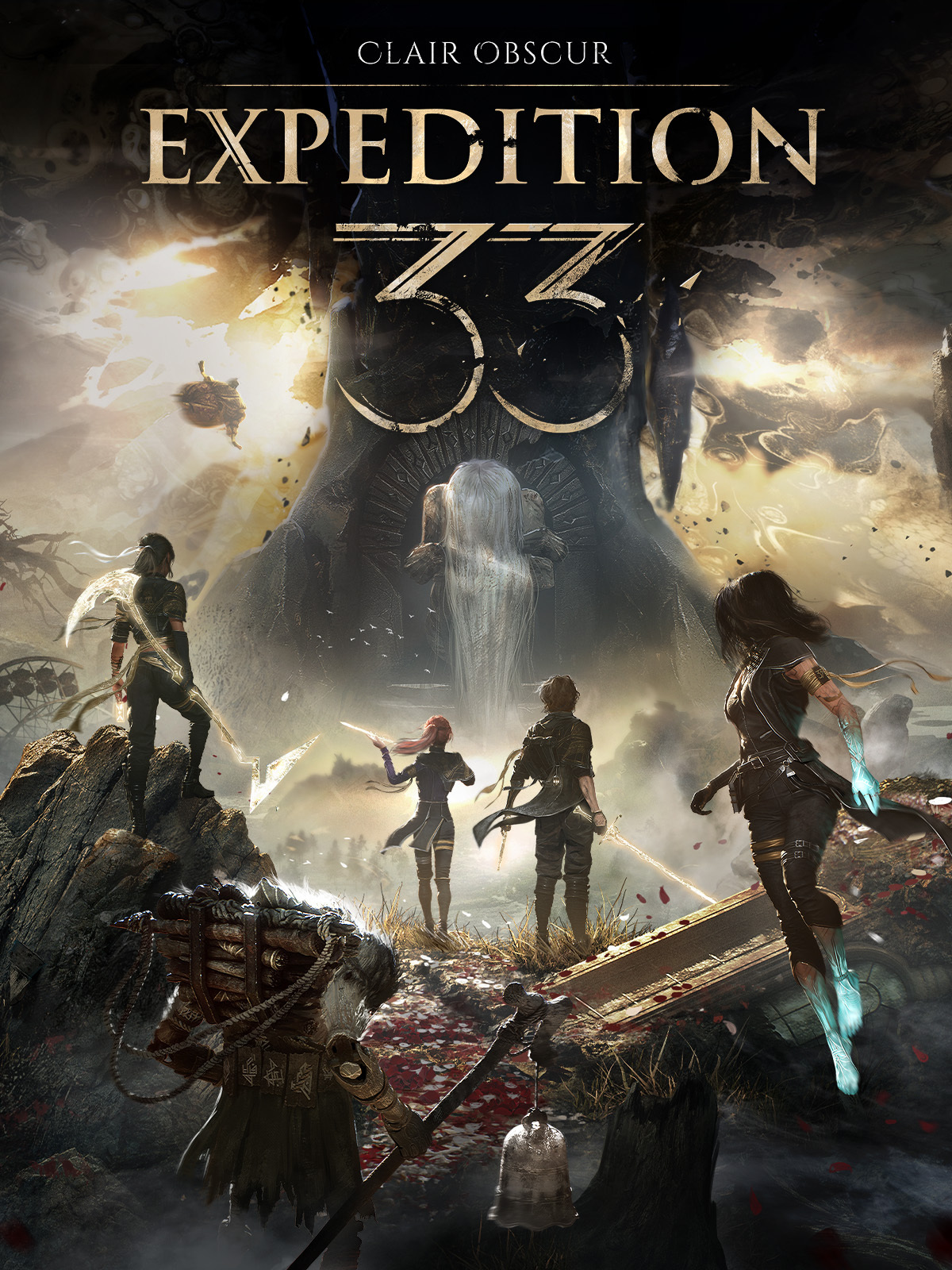
For decades, the recipe for a high-fidelity blockbuster was simple: hire five hundred veterans, spend $200 million, and brute-force your way to a Metacritic 90. But Clair Obscur: Expedition 33 has just thrown a massive wrench into that machine. When a veteran like Adrian Chmielarz—the mind behind Painkiller and Bulletstorm—says his "worldview is ruined," we need to pay attention. This isn't just another indie success story; it’s a blueprint for the death of bloated development.
The Bottom Line Up Front (BLUF)
Despite looking like a top-tier AAA production, Expedition 33 was spearheaded by a core team of only 30 people, nearly half of whom were industry novices. By prioritizing "smart shortcuts" over raw manpower and "theatre-style" cinematics over expensive environmental interaction, Sandfall Interactive has proven that mid-sized teams can achieve peak fidelity without the unsustainable overhead of traditional major studios.
The "Veteran" Fallacy
In our two decades of covering this industry, the prevailing wisdom has always been that you want the "special forces" model: ten elite pros are worth a thousand amateurs. Chmielarz himself admitted he’s lived by this rule since his days on Gears of War. But Sandfall Interactive took a massive gamble on "unproven" talent:
- The Composer: Found via SoundCloud.
- The Lead Writer: Recruited from Reddit.
- The Core: 50% of the internal team had never shipped a game before.
Our Analysis: We believe this highlights a growing fatigue with the "veteran" circuit. While experience is vital for stability, newcomers aren't burdened by "that’s how we’ve always done it" thinking. This allows for the kind of creative agility that gets buried in the bureaucracy of a Ubisoft or an EA.
How to Fake a $100M Budget
The real magic isn't just in the hiring; it’s in the technical sleight of hand. Chmielarz pointed out that Expedition 33 avoids the "brute force" trap that sinks most modern budgets. They didn't build everything; they built exactly what the camera needed to see.
| The Feature | The "AAA" Way (Brute Force) | The Expedition 33 Way (Smart Shortcut) |
|---|---|---|
| Enemy Design | Full facial rigs, expensive lip-syncing for grunts. | Faceless Enemies. No mouth to animate, no faces to rig. Massive savings on animation. |
| Cinematics | Full environmental interaction (characters moving chairs, picking up objects). | "Theatre Plays." Characters interact with each other, not the environment. Avoids the nightmare of clipping and physics-matching. |
| Voice Acting | Celebrity actors doing 100+ hours of full-body mocap. | Dual-Performance. A-list VOs (Andy Serkis, Charlie Cox) provide the voice; in-house mocap actors provide the body. |
Why This Matters for the Future
We’ve seen the "AA" space struggle for years to bridge the gap between "indie jank" and "AAA polish." Expedition 33 isn't just bridging that gap; it's erasing it. By utilizing heavy outsourcing for the "grunt work" (noted by the 15-minute credit roll) but keeping the creative vision in a tight-knit core of 30, Sandfall is hitting a level of visual fidelity that usually requires a 500-person studio.
This approach kills the "traction" problem. In a massive studio, an idea has to pass through six producers and a focus group. Here, the director mentions an idea, the team gets it, and they iterate. It’s the Valve model, but applied to a high-fidelity RPG.
Final Thoughts: A Reality Check for the Big Guys
If a team of 30—half of whom are green—can ship a game that looks this good and plays this well, the excuse that "games are just too expensive to make now" starts to look like a mask for poor management. We expect Expedition 33 to become the new case study for "Smart Dev." If you aren't finding shortcuts, you're just wasting money. In a market where we're seeing massive layoffs every month, Sandfall's "theatre play" approach isn't just clever—it’s the only way to survive.