
The Fares Paradox: Why Hazelight’s Success Can’t Shield EA from a PR Meltdown
The Bottom Line Up Front: Hazelight founder Josef Fares is doubling down on his partnership with Electronic Arts, claiming the publisher is unfairly villainized compared to its peers. While Fares’ track record of 10/10 hits like Split Fiction proves EA can still foster creative brilliance, our analysis suggests that no amount of indie goodwill can offset the massive reputational hit coming from the $55bn Saudi PIF acquisition.
We’ve been covering this industry for over two decades, and we've seen the "EA is Evil" cycle repeat more times than a FIFA annual release. From the loot box dumpster fire of Star Wars Battlefront II to the studio-killing spree of the early 2010s, EA has earned its scars. But Fares is throwing a wrench in the narrative. In a recent interview, he argued that the "corporate suits" trope is dead, claiming his team works exclusively with gamers who respect Hazelight’s autonomy.
“There’s not a publisher in the world that hasn’t fucked up now and then,” Fares noted, namechecking Nintendo, Microsoft, and Sony. He’s not wrong. We’ve seen Sony’s recent PC port stumbles and Microsoft’s struggle to manage its massive studio portfolio. However, Fares’ perspective is skewed by his own success. When you’re printing money and breaking world records, any publisher will give you a long leash. For the rest of the industry, the math is changing.
The "Split Fiction" Effect: By The Numbers
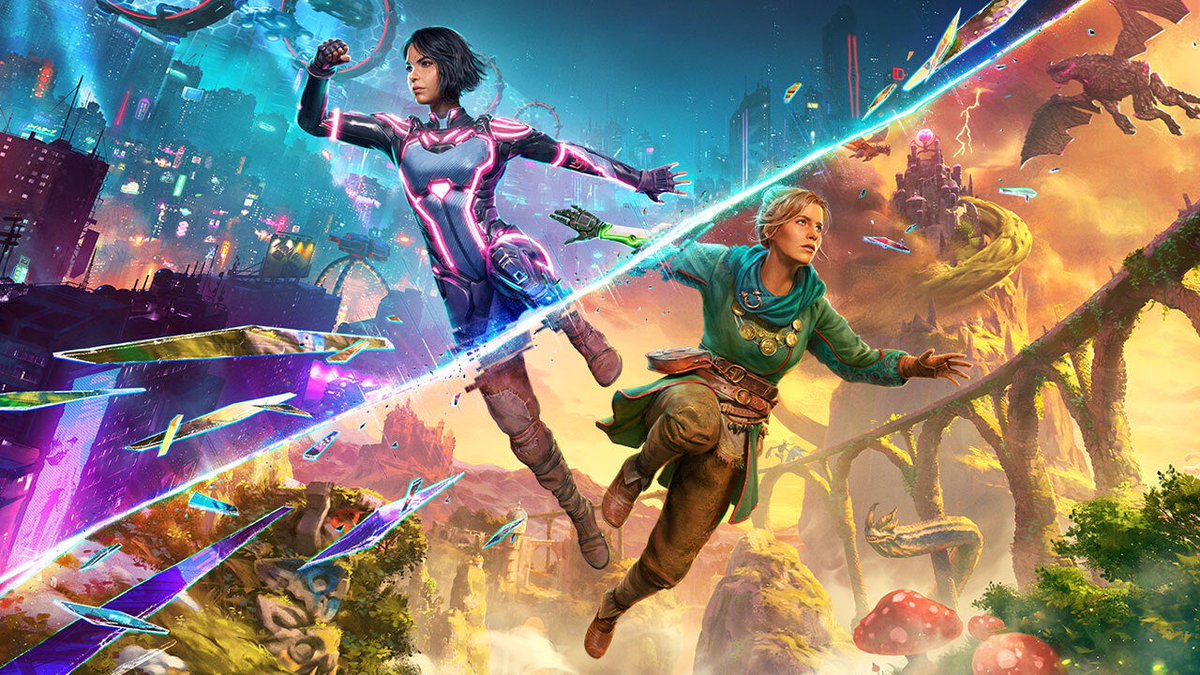
Hazelight’s latest release didn't just move units; it shattered the ceiling for what we expect from local co-op. This kind of leverage is why Fares can speak his mind while other developers stay quiet.
| Metric | Achievement | Impact |
|---|---|---|
| Launch Velocity | 1 Million Units (48 Hours) | Fastest-selling local co-op title in Steam history. |
| First Week Total | 2 Million Units | Solidifies "Split Fiction" as a Tier-1 IP. |
| World Records | 3 Titles Broken | Proves massive market hunger for couch co-op. |
| Transmedia Value | Film Deal Confirmed | Sydney Sweeney and Jon M. Chu attachment signals "Uncharted" levels of crossover potential. |
The Elephant in the Boardroom
We believe the disconnect between Fares’ experience and public perception stems from one thing: The Saudi PIF Deal.
While Fares is sitting with "gamers in hoodies," the shareholders just greenlit a $55bn acquisition that puts 93.4% of the company under the Kingdom of Saudi Arabia’s Public Investment Fund. This isn't just another corporate merger; it’s a geopolitical pivot. We’re already seeing the fallout. The "Sims" community—historically one of the most inclusive and vocal fanbases in gaming—is in open revolt, with top-tier creators nuking their partnerships with EA.
Our Analysis of the PIF Fallout:
- Creator Exodus: High-profile "Sims" influencers leaving the Creator Network is a massive blow to EA’s low-cost marketing machine.
- Talent Retention: While Fares says Hazelight will "always do what it wants," we expect mid-sized internal studios to face significant "brain drain" as developers seek companies with less controversial backing.
- Brand Toxicity: EA had finally started to shed the "Worst Company in America" label through the EA Originals program. This acquisition resets that progress to zero.
The Veteran's Take
Look, we love Fares. The guy is a breath of fresh air in a scripted industry, and his "Fuck the Oscars" energy is exactly what gaming needs. But his defense of EA ignores the macro-level shift. It’s easy to say "everyone makes mistakes" when your mistakes aren't human rights violations or massive geopolitical maneuvers.
EA is currently a house divided. On one floor, you have the creative geniuses at Hazelight making the best co-op games we’ve played in a decade. On the other, you have a board of directors tethering the company’s future to a sovereign wealth fund that many gamers find morally incompatible with the medium.
Hazelight will be fine—their independence and hit-streak guarantee them a seat at any table. But for EA? The "villain" label isn't just a meme anymore; it’s a permanent part of their balance sheet. If they want to prove Fares right, they need more than just one outspoken director in their corner—they need a miracle to win back the community's trust.