
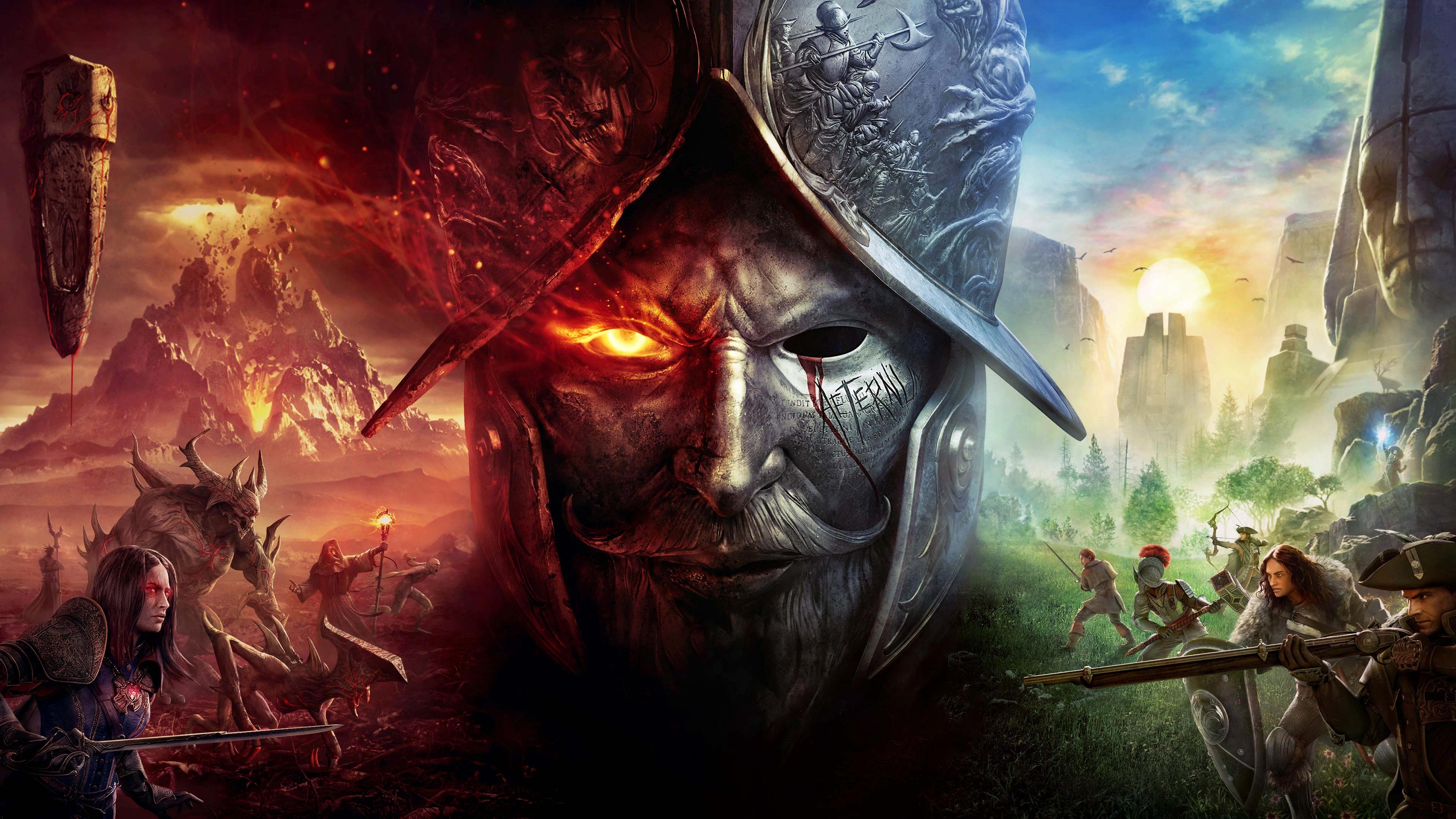
BREAKING: Amazon Games has officially slammed the lid shut on New World, scheduling its final server shutdown for January 31, 2027. This isn't just a server shutdown; it's a critical inflection point, confirming what many of us veterans in the MMO space have long suspected: Amazon's ambition often outstrips its commitment when a title doesn't immediately hit stratospheric heights. We've seen this playbook before, and frankly, it's getting stale.
The cold, hard truth is, New World is now being unceremoniously ushered into the Amazon Games graveyard, joining a growing roster of promising titles abandoned by the ecommerce megacorp. The game has already been delisted from Steam and every digital storefront, meaning new players can't jump in, and only existing owners can play out its remaining year. For those holding out hope for a last hurrah, prepare for disappointment: beyond essential bug fixes and performance tweaks, no new content will grace Aeternum. The Nighthaven season will continue its protracted run until the very end, a ghostly echo of what might have been.
The Price of Abandonment: What Players Lose
Amazon's official stance on refunds is equally stark. Players seeking a refund for the base game are directed to the customer service of the platform they bought it on – a bureaucratic runaround that smacks of deflection. Even more galling is the company's clear refusal to issue refunds for **Marks of Fortune**, New World's premium currency. We believe this is a slap in the face to loyal players who invested their hard-earned cash into cosmetic items or convenience boosts, only for the game to be unceremoniously shuttered. It sends a clear message: once your money is spent on premium currency, it's gone, regardless of the game's lifespan. This policy sets a dangerous precedent for player trust in the live-service ecosystem.
A Failure of Expectation, Not Entirely of Execution
While we can't label New World an explosive success alongside titans like Final Fantasy XIV or World of Warcraft, it certainly wasn't a flop. Post-launch, the game consistently maintained a respectable concurrent player count on Steam, typically hovering between **50,000 and 60,000 active users**. In an era where new MMOs struggle immensely to gain traction – look at Star Wars: The Old Republic, which manages around 5,000 concurrent players and still survives – New World demonstrated significant staying power. Our analysis suggests Amazon likely suffered from absurdly high expectations, fueled by its initial launch surge of over a million players. When those numbers inevitably normalized, the corporate machine likely decided the investment wasn't yielding the desired, unrealistic returns. This decision underscores a fundamental misunderstanding of the long-term grind and community building essential for MMO longevity.
Amazon's Gaming Exodus: A Strategic Retreat?
The writing for New World's demise was on the wall well before this official announcement. Last October, Amazon executed a massive round of layoffs, slashing approximately **14,000 jobs** across various divisions. These were framed as part of "strategic changes," with the company explicitly stating it would halt a "significant amount" of first-party game development, particularly in the MMO sector. This isn't just New World; it's a broader retreat from a potentially lucrative, yet undeniably challenging, segment of the market. Amazon Games appears to be shifting focus, likely towards its Luna cloud gaming platform and away from costly, high-risk AAA development.
The developers, clearly aware of the impending doom, even snuck a poignant goodbye letter into the final Nighthaven update – a move that speaks volumes about the passion often held by creators, even when corporate decisions pull the plug. It's a bittersweet reminder of the human element behind these digital worlds.
The Afterlife of Aeternum: Private Servers?
As the clock ticks down, we're keenly interested to see if the community manages to spin up private servers for New World. We've seen this happen with other defunct live-service games; EA's Anthem, for instance, shut down recently, with its project lead even hinting at a version of the game that could be repurposed for private play. The dedication of MMO communities often extends beyond official support, and we wouldn't be surprised if New World players attempt to salvage their beloved Aeternum from Amazon's digital guillotine.
Ultimately, New World's journey from highly anticipated launch to scheduled obsolescence serves as another grim reminder of the volatile nature of live-service titles and the immense pressures they face from corporate overlords. For Amazon, it's another notch on its belt of failed gaming ventures, raising serious questions about its long-term viability as a major player in first-party game development.