
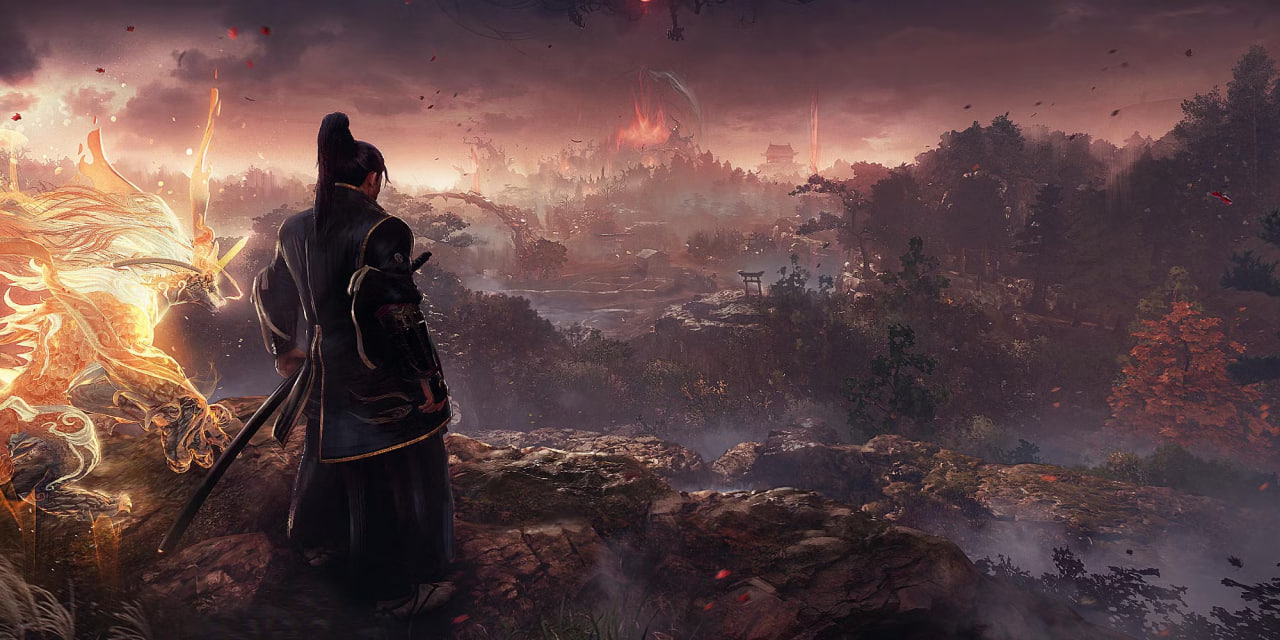
Team Ninja’s PC Curse Might Finally Be Broken: Nioh 3 Demo Performance Analysis
The Bottom Line: After years of stuttering framerates and botched PC launches, Team Ninja has finally delivered a pre-release demo that doesn't feel like a tech-support nightmare. Our analysis of the Nioh 3 demo confirms that while the studio’s "Open World" ambitions still tax hardware, the inclusion of robust FSR 3 support makes this the most stable PC debut from the developer in over half a decade. If you’ve been burned by Wo Long or Rise of the Ronin, it’s time to cautiously optimistic.
A History of Stuttering and "Sputtering"
We’ve been here before. We remember the Nioh 2 launch hurdles, and we certainly haven't forgotten the "crap" performance of Wo Long: Fallen Dynasty—a game so poorly optimized at launch that Team Ninja had to issue a formal apology. Even Rise of the Ronin, which hit PC last March, was a mess of erratic framerates and crashing. For a studio that prizes frame-perfect combat and high-APM gameplay, their technical track record on PC has been, frankly, embarrassing.
Nioh 3 feels different. For the first time, we’re seeing a pre-release demo that allows us to stress-test the engine before the day-one patch cycle begins. It suggests a level of confidence we haven’t seen from this team in years.
Hardware Stakes: The Specs You Need
The system requirements for Nioh 3 are surprisingly grounded for a 2026 title, though the 125 GB storage requirement is a hefty tax on your NVMe drive.
| Component | Minimum (1080p / 30fps @ Very Low) | Recommended (1080p / 60fps @ Standard) |
|---|---|---|
| Processor | Intel i5-10400 / Ryzen 5 2600 | Intel i5-10600K / Ryzen 5 5600X |
| Memory | 16 GB RAM | 16 GB RAM |
| Graphics | GTX 1060 (6GB) / RX 5600 XT | RTX 3060 Ti (8GB) / RX 6700 XT (12GB) |
| DirectX | Version 12 | Version 12 |
| Storage | 125 GB available space | 125 GB available space |
Performance Gains: FSR 3 is the MVP
Our testing on an aging laptop (RTX 3060 6GB / Ryzen 5 5600H) revealed a few crucial insights. If you’re running mid-range gear, Frame Generation is not optional—it’s the backbone of the experience.
- Raw Performance: At 1080p on "Very Low" settings without upscaling, we saw a mostly stable 60 fps in interior missions. However, the move to the open world causes a significant hit, with frames dipping into the mid-40s.
- The FSR 3 Difference: Toggling FSR 3 on is a game-changer. It allowed us to bump settings from "Very Low" to "Low" or even "Standard" while maintaining a locked 60 fps in the open world.
- Latency Check: In a soulslike, input lag is a death sentence. While frame gen usually introduces some latency, our initial testing suggests it’s negligible here. We didn’t notice any dramatic "floaty" feel during parries or stance switches, though high-level min-maxers will want to keep a close eye on this.
The Steam Deck Warning
Don't even bother. We stress-tested the demo on a Steam Deck OLED and the results were grim. Despite the "Very Low" presets, Nioh 3 is clearly not optimized for handheld APUs yet. This is a desktop-class experience that demands dedicated VRAM to handle the asset streaming in the open world. If you were hoping for a portable Nioh fix, you’re better off sticking to the Nioh 2 remaster for now.
The Verdict
This is the first time in years we’ve felt Team Ninja is respecting the PC audience. The fact that an "aging" RTX 3060 can pull a respectable, playable framerate in a modern open-world title is a huge win. However, the "Open World" transition remains the biggest hurdle for their engine—make sure you play the demo past the tutorial to see how your rig handles the wider environments before you drop your cash on a pre-order.
We’ve seen Team Ninja fumbly the ball at the goal line before, but Nioh 3 looks like it’s finally heading toward a stable, high-authority PC release.