
Rethinking the "Unplayable" Label: 7 Games the Internet Judged Too Quickly
The Bottom Line: We are currently living through an era of extreme hyperbole where a "7/10" review score is treated like a death sentence. While the "internet collective" is quick to pile on titles for launch-day bugs or narrative choices that subvert expectations, our analysis shows that many "hated" games—from Star Wars: Battlefront 2 to The Last of Us Part 2—are actually high-quality experiences that were buried by bad PR or nostalgia-blinded critiques. It’s time to separate the actual "broken" games from the ones that just didn't fit a specific player narrative.
| Title | Meta/Critic Score | Primary "Hate" Factor | Why It’s Actually Good |
|---|---|---|---|
| The Last of Us Part 2 | 93 | Divisive Story Beats | Unrivaled visceral combat and emotional weight. |
| Star Wars: Battlefront 2 | Fair | Microtransactions (at launch) | Top-tier FPS gunplay and post-launch QoL. |
| Dragon Age: Veilguard | 8.5/10 | Review Bombing / Tone Shift | Solid action-RPG loop and BioWare DNA. |
1. The Last of Us Part 2: The Art of Discomfort
In our 20+ years of covering this industry, we’ve rarely seen a game ignite a firestorm quite like The Last of Us Part 2. The backlash wasn't about technical failure; it was about Naughty Dog’s refusal to give fans the "safe" sequel they wanted. We believe this is exactly why the game succeeds. It's visceral, uncomfortable, and forces you to sit with the consequences of violence. While it may not hit the same nostalgic highs as the first game, its technical execution and commitment to its message make it a masterpiece that was unfairly maligned by a loud minority.
2. Star Wars: Battlefront 2: The Redemption Arc
Let’s be honest: the launch of Battlefront 2 was a disaster of EA's own making. The "pride and accomplishment" microtransaction debacle nearly sank the ship before it left the dock. However, we’ve been booting this up recently, and the transformation is staggering. The core Frostbite-powered gameplay is some of the tightest shooter action available. If you skipped this because of the 2017 headlines, you're missing out on a massive amount of content and a polished multiplayer suite that finally delivers on the Star Wars fantasy.
3. Dragon Age: The Veilguard: The "Origins" Shadow
BioWare has a "new game" problem: every release is hated for not being Origins until the next one comes out, at which point the previous one becomes an "underrated gem." Veilguard is currently in the crosshairs. Much of the hate stems from bad-faith review bombing regarding modern representation, but our experience tells a different story. The gameplay is fluid, the writing is competent, and it maintains the character-driven focus we expect from the franchise. It’s a solid RPG that shouldn't be dismissed just because it evolved away from the CRPG roots of the early 2000s.
4. World of Warcraft (Retail): Content is King
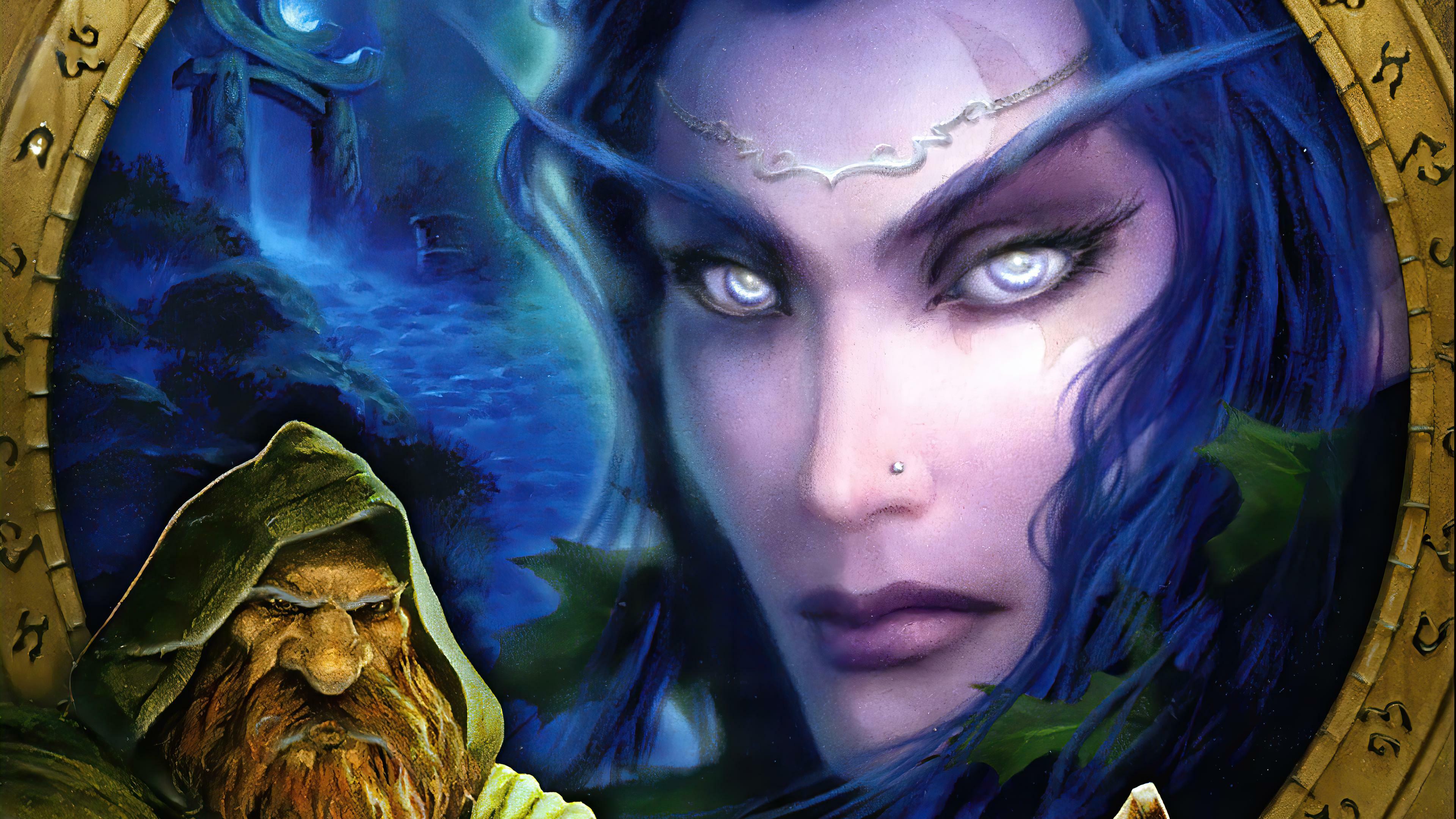
The "Classic vs. Retail" war has been raging for years, and as veteran WoW players, we get the nostalgia. But the narrative that Retail is "dead" or "bad" is objectively false. Heading into the Midnight expansion, Retail offers an endgame PvE experience—specifically Mythic+ and Raiding—that is lightyears ahead of the competition in terms of mechanical depth. With the addition of player housing and massive QoL updates, the current state of Azeroth is more accessible and rewarding than it’s been in a decade.
5. Diablo 4: Launching Better Than Its Predecessors
It’s become trendy to dunk on Blizzard, but Diablo 4 had a significantly more stable launch than Diablo 3’s infamous "Error 37" era. We’ve watched the team aggressively pivot based on player feedback, leading into the Lord of Hatred expansion. The current season-to-season loop feels rewarding for min-maxers, and the combat remains the gold standard for the ARPG genre. The hate here feels more like a carryover from other Blizzard controversies rather than a critique of the actual game on the screen.
6. Fallout 4: Streamlining vs. Dumbdown
Fallout purists view Fallout 4 as the moment Bethesda "sold out" the RPG mechanics for a more mainstream audience. Our take? The "Mass Effect 2" treatment—streamlining clunky systems to favor better moment-to-moment gameplay—actually worked. While the dialogue wheel was a miss, the world-building, base-building, and the Far Harbor DLC proved Bethesda still knows how to write a compelling questline. It’s a fantastic open-world shooter that just happens to be a "lite" RPG, and that's okay.
7. Final Fantasy XIII: A Visual Titan
The "hallway simulator" complaints of 2010 still haunt FFXIII. Yes, the first 20 hours are painfully linear. But look at it today: the Crystal Tools engine produced visuals that still rival modern AAA titles. The Paradigm Shift battle system is one of the most strategic "active" systems in the series' history. Once the game opens up on Pulse, the depth becomes apparent. It’s a slow burn that requires an investment most gamers weren't willing to make, but that doesn't make it a bad game.
The Senior Editor’s Take
We need to stop letting "internet outrage" dictate what is worth playing. A game being "different" than its predecessor doesn't make it a failure. Whether it's the visceral storytelling of TLOU2 or the polished gunplay of a post-patch Battlefront 2, these titles offer incredible value. Before you join the next dogpile, consider that a "7/10" is often a "10/10" for the right player.