
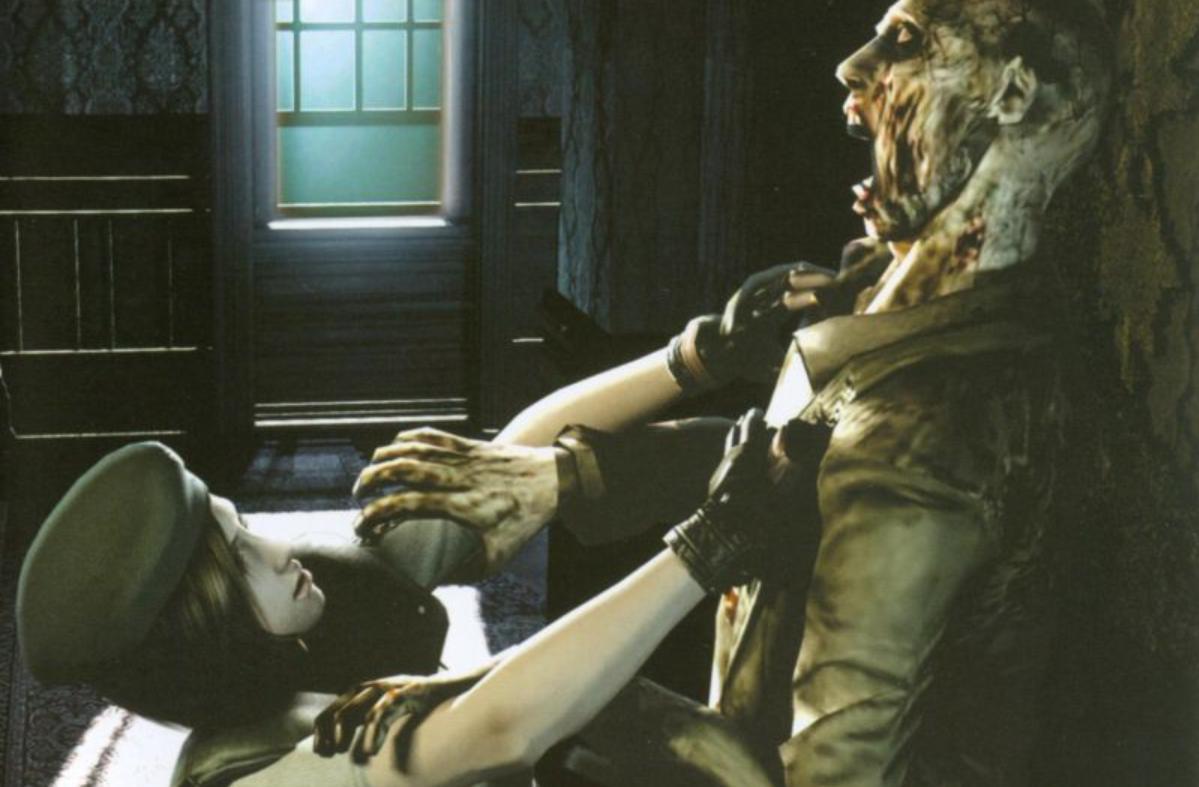
The cinematic release of Nia DaCosta's 28 Years Later: The Bone Temple this weekend is shaping up to be a brutal escalation in the iconic zombie franchise. Yet, for us veteran gamers, the true headline recently dropped from the vaults of horror legend Alex Garland, writer of the original 28 Days Later. Garland has officially, and irrevocably, enshrined Capcom's seminal Resident Evil as the direct genesis for the series' game-changing fast-moving infected. This isn't just movie trivia; it's a critical piece of gaming history, cementing our medium's profound impact on modern horror canon.
For too long, the lore of the 28 Days Later universe has been debated and dissected, but Garland's revelation to GQ last year provides a definitive "patient zero" for its defining characteristic. We now know that before scripting the 2002 low-fi masterpiece, Garland found himself immersed in the PlayStation One terror that was Resident Evil. His initial takeaway wasn't the slow, shuffling undead – a trope already well-worn by Romero – but rather, the visceral, jarring speed of the game's canine adversaries. He candidly expressed, "there was something else in the game, which were these dogs [...] they actually would give me a jump sometimes, and I think that's the thing that gave me the idea of a zombie movie, but where the zombies move really quickly."
This admission is colossal. It tells us that the very concept that ripped through the cinematic horror meta – the sprinting, rage-fueled zombie that became ubiquitous post-2002 – was born not from film theory, but from a gaming experience. Prior to 28 Days Later, the lumbering horde was the standard; Garland's film, directly inspired by Resident Evil's jump-scare dogs, unleashed a paradigm shift, fundamentally altering how we perceive and fear the undead on screen.
And let's be clear: the original Resident Evil, released less than a decade before 28 Days Later, was a masterclass in tension, even with its fixed camera angles and tank controls. For those of us who navigated the Spencer Mansion on our PlayStation consoles, the dread was palpable. Limited ammunition, claustrophobic corridors, and the constant threat of a surprise attack made every encounter a white-knuckle affair. While Garland's focus was on the dogs, we maintain that the methodical, almost inevitable pace of the standard zombies, coupled with the atmospheric pressure, still delivers peak survival horror. It proved that slow could still be terrifyingly effective, even as it inadvertently laid the groundwork for speed.
If you're like us, truly great movies send you scrambling for gaming parallels, a way to dwell in that world a little longer. Witnessing The Bone Temple's likely grim descent, we find ourselves drawn back to its gaming roots. Re-experiencing the original Resident Evil isn't just nostalgia; it's an essential historical pilgrimage for any serious gamer or horror fan. Fortunately, jumping into this foundational title is easier than ever, whether on your ROG Ally, Steam Deck, or PlayStation 5.
For modern players seeking the definitive quality-of-life upgrades, we highly recommend the **Resident Evil HD Remaster**. This isn't just a quick port; it's one of the best remasters we've seen, carefully preserving the original's tension while significantly enhancing the player experience.
Resident Evil: Modern Accessibility Options
| Version | Key Features | Platform Compatibility | Current Price (Approx.) | Where to Buy |
|---|---|---|---|---|
| HD Remaster | Updated controls, higher-resolution textures, widescreen support, remastered sound, Steam Deck verified. | PC (Steam Deck, ROG Xbox Ally, preferred handheld PC) | $18.07 / £13.50 | Fanatical |
| Original (PC Port) | Authentic 1996 experience, classic aesthetics. | PC | $7.99 / £7.99 | GOG |
While the HD Remaster is our pick for new players and those seeking a smoother ride, we also understand the purist's call to the original GOG release. Experiencing it as it was, warts and all, offers its own unique appreciation for where the genre started.
And for those eagerly awaiting Leon Kennedy's next outing, **Resident Evil Requiem** pre-orders are already live, promising more bonus treats ahead of its full launch. It's a testament to Resident Evil's enduring legacy that its past continues to shape cinematic landscapes while its future keeps us perpetually on edge, controller in hand.