
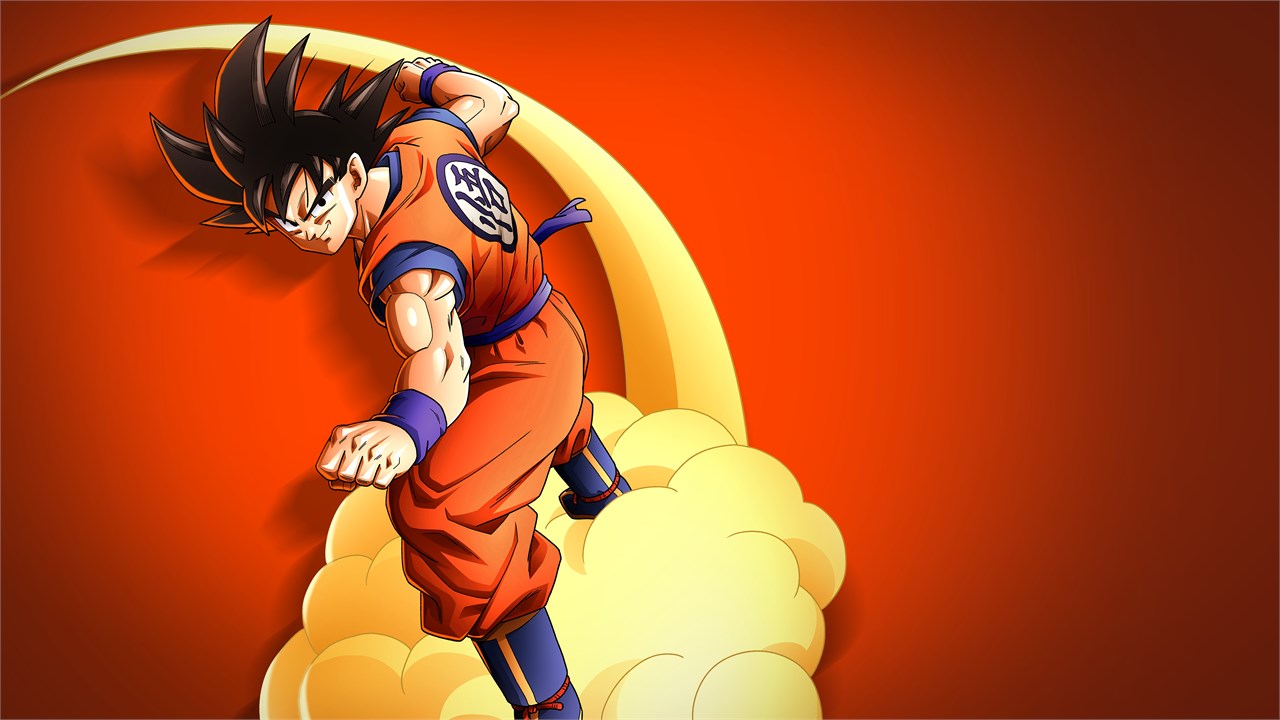
Kakarot Joins the 10-Million Club: Why the Action-RPG Formula is Now Bandai Namco’s Top Priority
The Bottom Line: Dragon Ball Z: Kakarot has officially crossed the 10 million copies sold milestone, matching the lifetime performance of heavy hitters like FighterZ and XenoVerse 2. This isn't just another sales win; it’s a definitive signal that the single-player RPG format has the same staying power as the franchise's competitive fighters.
We’ve been tracking Dragon Ball sales since the Budokai era on PS2, and the trajectory of Kakarot is unprecedented for a non-fighting game in this IP. Just last summer, the game sat at 8 million units. Shifting another 2 million copies four years after its initial 2020 launch—and a year after the PS5/Xbox Series X current-gen patch—proves the "tail" on this title is incredibly long. For context, most licensed anime games fall off a cliff after the first six months. Kakarot is defying that decay.
The "Big Three" Sales Comparison
Our analysis shows that Bandai Namco has successfully diversified the brand into three distinct gameplay pillars. Kakarot hitting 10 million means the "Action-RPG" pillar is now just as lucrative as the "Competitive Fighter" and "Live-Service Brawler" pillars.
| Title | Genre | Estimated Sales |
|---|---|---|
| Dragon Ball Z: Kakarot | Single-Player Action RPG | 10 Million+ |
| Dragon Ball FighterZ | 2D Competitive Fighter | 10 Million+ |
| Dragon Ball XenoVerse 2 | Mission-based Co-op/MMO-lite | 10 Million+ |
Why This Matters for the Future of DBZ Gaming
We believe these numbers make a Kakarot 2 inevitable, but it puts the developers in a difficult spot. The current game has been supported with aggressive post-launch DLC, effectively cannibalizing the potential content for a sequel. With DAIMA: Adventure Through The Demon Realm Part 2 dropping this week, the game has already moved past the "Z" era and into "Super" and "Daima" territory.
- The "Super" Problem: While Dragon Ball Super is the logical next step for a sequel, the current game has already nibbled at its edges with the A New Power Awakens DLC.
- Engine Upgrades: A sequel would likely ditch the last-gen constraints entirely, allowing for a more seamless "open world" rather than the segmented zones we currently have.
- Information Gain: The success of Kakarot likely influenced the decision to give Sparking! Zero a deeper story mode. Bandai knows players want to inhabit the world, not just select a character from a menu and fight.
The Editorial Take: A Masterclass in Long-Tail Support
In our 20+ years of covering this industry, we’ve seen countless "one and done" anime titles. Kakarot succeeded where others failed because it nailed the QoL (Quality of Life) updates and consistently fed the player base with nostalgic deep cuts (like the 23rd World Martial Arts Tournament DLC). It didn't just retell the Raditz-to-Buu saga; it became a playable encyclopedia of the franchise.
The fact that a single-player experience is keeping pace with XenoVerse 2—a game essentially built as a live-service grind—is a massive win for fans who prefer solo play over "clutching" matches in online lobbies. If you haven't jumped in yet, the current-gen version is the definitive way to play, offering the kind of visual polish that makes the old Ultimate Tenkaichi days look like a bad dream.
Are you part of the 10 million? Let us know if you think the RPG format is better than the standard arena fighter in the comments.