
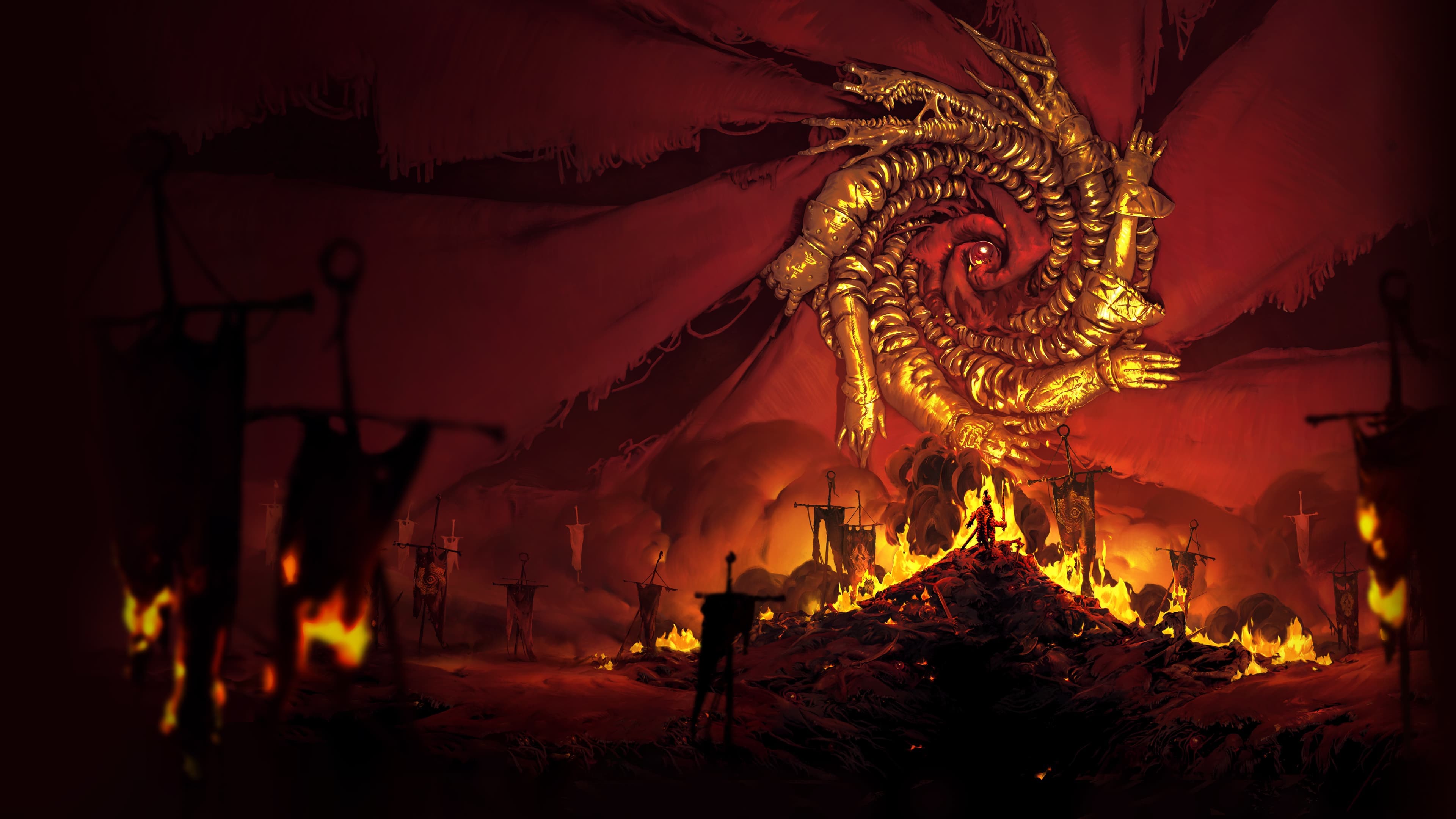
Why Elemental Synergies Are the Real MVP of the No Rest for the Wicked "Together" Update
The "Together" update has finally landed, and we’re calling it now: No Rest for the Wicked has officially evolved from a promising but lonely Soulslike into a tactical co-op powerhouse. While solo play offered a decent challenge, the introduction of multiplayer fundamentally shifts the meta, making elemental status effects and their combinations the most important tools in your kit.
Moon Studios is known for precision, and while the current elemental list in Early Access is lean, the interactions are incredibly crunchy. If you aren't min-maxing your status buildup, you’re essentially leaving damage on the table. Here is our breakdown of how to dominate the current elemental landscape.
The Elemental Baseline: More Than Just Tick Damage
In most ARPGs, elements are just flavor. Here, they are utility. We’ve found that Ice is currently the king of CC (crowd control), while Lightning provides the necessary AOE (area of effect) to deal with the game’s notoriously aggressive mobs. Physical bleed builds remain a "set it and forget it" staple, but the real power comes from active buildup.
| Element | Status Effect | The "In Game News" Take |
|---|---|---|
| Fire | Burn | Standard DOT (Damage Over Time). Use it to pressure bosses during their defensive phases. |
| Ice | Freeze | Essential for survival. Shattering a frozen enemy deals 2x damage, which is a clutch mechanic for heavy-weapon builds. |
| Lightning | Shock | Our top pick for crowd clearing. The chain lightning effect effectively punishes enemies for grouping up. |
| Plague | Infection | The "vampire" build enabler. If you’re struggling with health sustain, this is your best friend. |
| Physical | Bleed | Punishes movement. Unlike traditional Soulslikes where bleed is a burst, this is a steady drain as targets reposition. |
The Synergy Meta: Combining Effects for Maximum Impact
The real information gain for veterans isn't just knowing the elements—it's knowing how they stack. With the "Together" update, one player can prime a target while the second player detonates the combo. This is where the game's depth truly starts to rival Path of Exile or Diablo, but with the visceral combat of a Soulslike.
- Overload (Lightning + Fire): This is the big one. Hitting a burning target with lightning creates a massive AOE burst. Fair warning: Friendly fire is active. We’ve seen more than one "Together" session end in a wipe because someone triggered an Overload burst next to a low-health teammate.
- Searing (Fire + Plague): This is pure damage scaling. It cranks up the heat on the burn effect, making it the go-to strategy for high-health bosses that normally shrug off standard DOTs.
- Fester (Plague + Bleed): A more subtle but deadly combo. It slows down the target’s ability to recover from status buildup, effectively keeping them in a weakened state for the duration of the fight.
The Senior Editor’s Strategy: Don't Get Married to One Sword
We believe the biggest mistake players are making right now is sticking to a single "main" weapon. To thrive in the current Early Access build, you need to treat your inventory like a toolbox. We recommend carrying at least two weapons with different elemental affinities.
Character and town upgrades should be your priority to facilitate this. Higher-tier weapons allow for more flexible gem slots, which is where the real theory-crafting begins. If you’re playing co-op, synchronize with your partner. If they’re running a Bleed/Plague build, you should be the one bringing the Fire to trigger those Searing and Fester debuffs.
No Rest for the Wicked is still growing, and we expect Moon Studios to buff or nerf these interactions as more players break the game's systems. For now, focus on the Ice/Shatter combo for solo play and the Overload burst for co-op—just watch where you're swinging that lightning blade.