
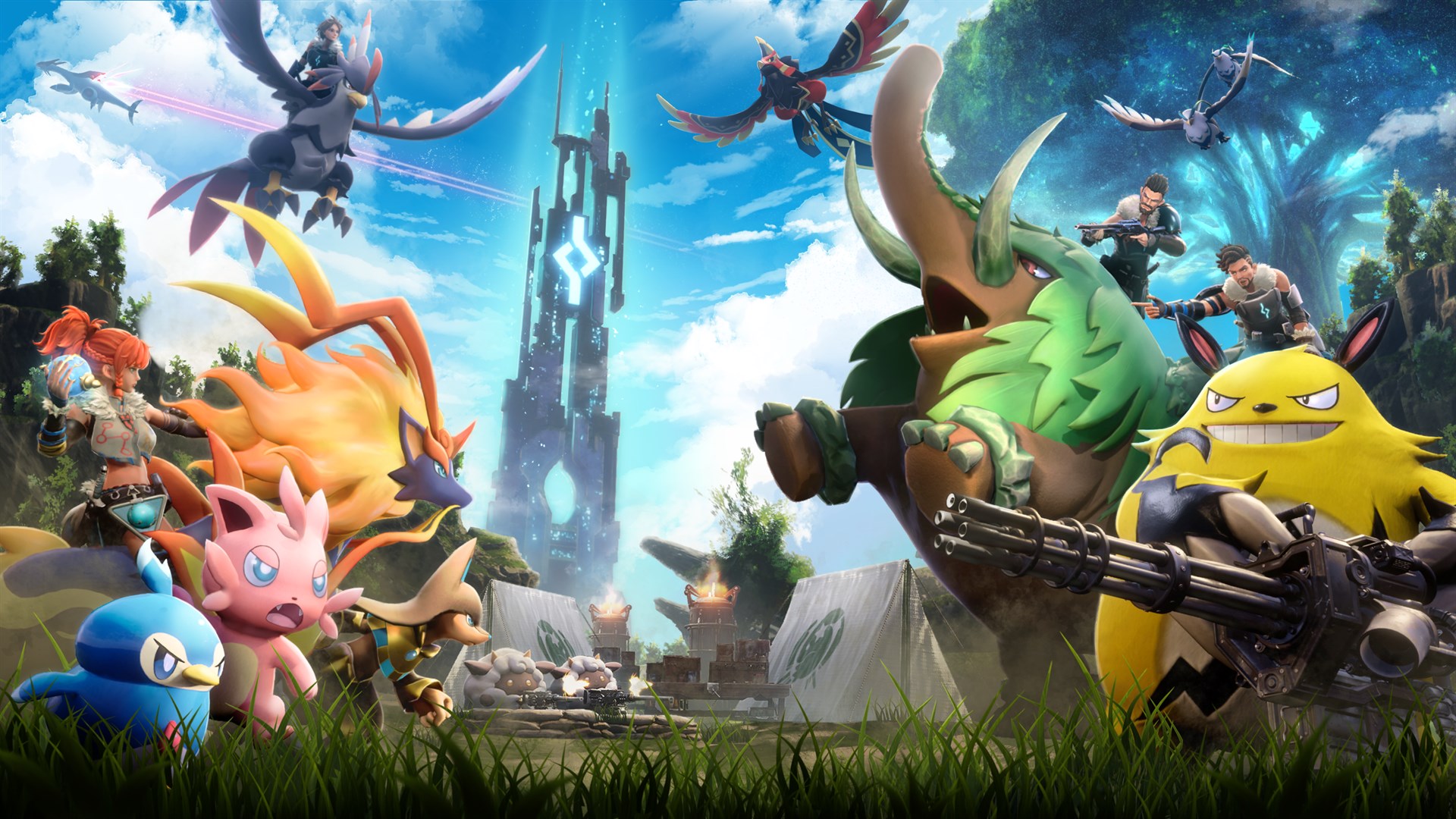
Palworld Doubling Down: Pocketpair Challenges Nintendo’s Monopoly with New TCG
Bottom Line Up Front: Pocketpair isn't flinching. Amidst a high-stakes patent lawsuit with Nintendo, the Palworld developer has announced a partnership with Bushiroad to launch the Palworld Official Card Game on July 30. While many expected the studio to turtle up, this move suggests they are ready to contest the monster-collecting throne in the physical space, leveraging base-building mechanics to differentiate themselves from the Pokémon TCG juggernaut.
The Matador Strategy
In our twenty years covering this industry, we’ve seen plenty of "Pokémon killers" come and go, but rarely do we see a developer lean into the wind like this. Pocketpair is effectively using a "matador approach"—waving a red flag at the Nintendo bull while their legal team handles the horns. By partnering with Bushiroad (the heavyweights behind Cardfight!! Vanguard and Weiss Schwarz), Pocketpair is ensuring their physical debut has actual competitive legs rather than being a mere novelty cash-grab.
We’ve seen similar IP friction before—think back to the early days of Digimon or the Magic: The Gathering "Hex" lawsuit—but the audacity here is unparalleled. Launching a physical card game while being sued for infringing on the very genre’s progenitor is a massive "aggro" play.
Quick Specs: Palworld Official Card Game
| Feature | Details |
|---|---|
| Release Date | July 30, 2024 |
| Format | 2-Player Competitive |
| Primary Partner | Bushiroad |
| Key Mechanics | Pal combat, Resource gathering, Base-building |
| Current Legal Status | Active litigation with Nintendo/The Pokémon Company |
Why This Isn't Just "Pokémon With Guns" (On Paper)
Our analysis suggests that the inclusion of base-building and resource gathering in a TCG format is the real "game-changer" here. Most monster-battlers focus purely on the "active" combatant. By forcing players to manage resources and build structures—mirroring the core loop of the digital game—Pocketpair is carving out a mechanical niche that might actually protect them from "clone" allegations in the court of public opinion, if not the court of law.
- Mechanical Divergence: Unlike the Pokémon TCG, which relies on Energy attachments and Evolutions, the Palworld TCG looks to lean into the survival-crafting DNA.
- Strategic Depth: If base-building acts as a "field spell" or persistent engine, we could see a meta that favors long-term resource management over the "one-shot" power creep currently plaguing modern card games.
- Market Timing: With Magic: The Gathering recently stumbling on their Monster Hunter collaboration (now delayed), there is a massive vacuum for a high-quality creature-feature TCG.
The Editorial Take: A Calculated Risk
We believe this move was likely in the pipes long before Nintendo "threw down the gauntlet." You don't secure a Bushiroad partnership and finalize card layouts overnight. However, the decision to proceed according to the original schedule is a show of extreme confidence—or extreme defiance.
The consequence of this launch is twofold: it builds brand equity that makes Palworld harder to "erase" if the lawsuit goes south, and it provides a secondary revenue stream that is harder for Nintendo to shut down via digital storefronts. For those of us who remember the era of "lawsuit-dodging" clones in the 90s, this feels like a refined, high-budget version of that classic rebellion. It's risky, it's punchy, and it's exactly the kind of disruption the TCG landscape needs.
The Verdict: Whether you love the game or view it as a derivative asset-flip, you have to respect the hustle. Pocketpair isn't just playing the game; they're trying to rewrite the rulebook while the referees are trying to throw them out of the stadium.