
The Near Miss: How Lara Croft Almost Lost Her Iconic Edge
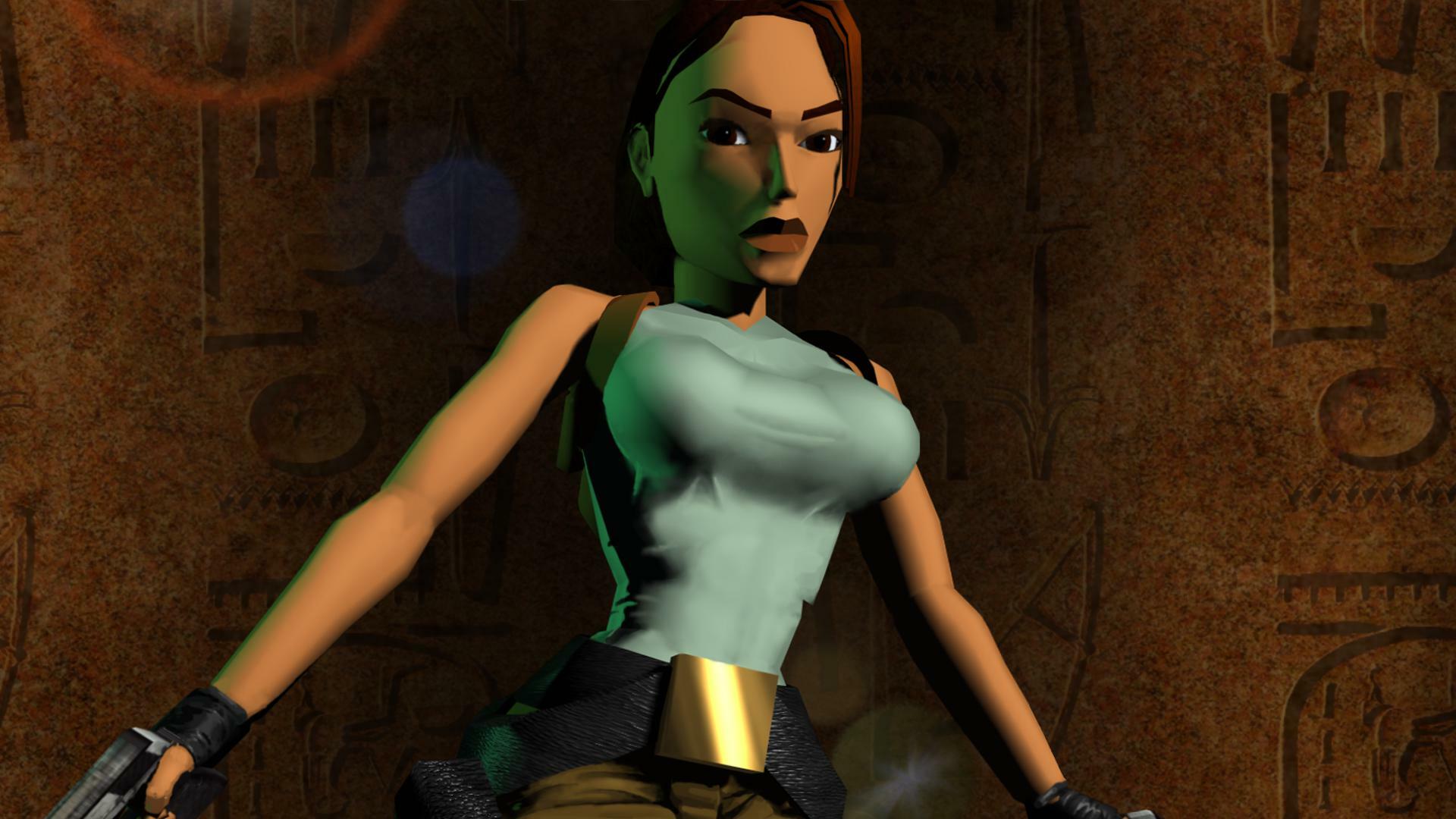
We often discuss the crucial iterations a character undergoes during development, but rarely do we get such a stark look at a pivotal alternate path. Fresh scans from a vintage **Saturn Fan** magazine, recently resurfaced via **@tadashidaiba on BlueSky**, have given us a chilling glimpse into an alternate reality where **Lara Croft**, one of gaming's most enduring protagonists, could have sported a drastically different aesthetic. And frankly, we believe Core Design made the absolute right call in sticking to their guns.
A Glimpse into an Alternate History
The images depict a proposed redesign for Lara Croft, spearheaded by **Victor**, Core Design's Japanese publisher at the time. Their concern? That the original, Western character design wouldn't resonate with the Japanese audience. So, late in the development cycle of the original Tomb Raider, they faxed over their own vision.
The shared scans reveal two distinct elements:
- The Sketch: This anime-inspired rendition, while undeniably "cool as hell" in isolation, fundamentally diverges from the Lara we came to know. It leans heavily into a style that wouldn't feel out of place among a **Street Fighter** roster or an early **Final Fantasy 7** party member.
- The 3D Render: This is where things take a turn for the uncanny. The accompanying 3D model, stripped of the sketch's original charm, features "haunting eyes" that peer into the soul, reminiscent of the low-poly horrors of an analog horror video from the late 2000s. It’s a prime example of a concept getting lost in translation to the limited poly counts of the **PlayStation 1** era.
The Developer's Stand and the Unsung Hero
This wasn't just a casual idea; it was a serious proposal that almost reshaped Lara's legacy. As co-creator **Paul Douglas** reiterated on BlueSky, and previously in a 2021 X (formerly Twitter) post, Victor specifically pushed for "huge eyes/head, etc." to appeal more to a Japanese audience. Crucially, **Toby Gard**, the other co-creator and Lara's primary designer, "really didn't want to alter Lara."
The compromise? Only the Japanese manuals and guides featured these alternate illustrations and renders. The in-game model remained untouched, preserving Gard's original vision. This was a **clutch decision** that cemented Lara's enduring, globally recognized look.
Further digging by the eagle-eyed @foxhack.bsky.social suggests the artist behind the sketch and potentially the manual illustrations was likely **Hiromasa Ohta** (also spelled Ota or Oota), credited for graphic support in the Japanese Saturn manual and known for his work on games like **Keio Flying Squadron** at Victor. Ohta's sketch certainly had artistic merit, but it simply wasn't Lara.
The Weight of the Decision: Why it Mattered
In hindsight, Core Design's resistance to Victor's proposal was nothing short of visionary. Had they caved, Lara Croft’s initial impression, and thus her global brand identity, would have been fundamentally different. We have seen countless characters undergo design evolutions (Master Chief, for example, had nine iterations before his iconic look was finalized), but the very first impression is often the most critical.
The raw, pixelated charm of the original Lara, with her sharp angles and distinct proportions, was a direct product of the mid-90s hardware limitations. Trying to force an "anime-inspired" aesthetic onto the **PS1's limited polygon budget** would likely have resulted in an uncanny valley disaster for the in-game model, as evidenced by the aforementioned haunting render. Gard's design was not only iconic but also technologically appropriate for the time, allowing for a character that was immediately recognizable and distinct.
This historical tidbit serves as a powerful reminder of how precarious the path to icon status can be. A single, well-intentioned but ultimately misjudged design choice could have prevented Lara Croft from becoming the global gaming legend she is today. We commend Core Design for their foresight and unwavering commitment to their original artistic direction. It was a close call, but ultimately, the right one for gaming history.