
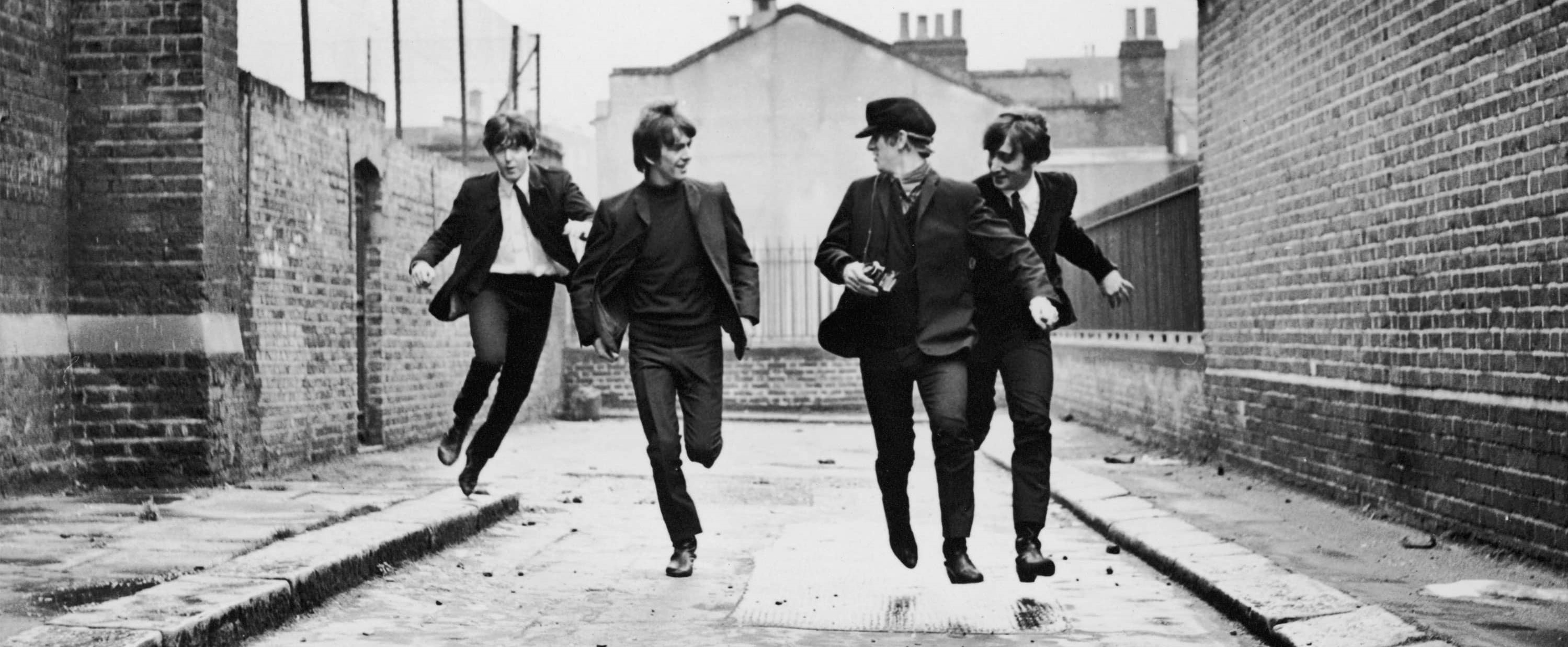
Few titles in the pantheon of rhythm games — or indeed, any genre — command the reverence of The Beatles: Rock Band. For us seasoned veterans who lived through the plastic instrument craze, it wasn't just another peripheral-driven fad; it was a monumental achievement, a high-water mark that redefined what a licensed music game could be. New revelations from Blake Hester's recently released book, The Oral History of Guitar Hero, Rock Band and the Music Game Boom, and a compelling excerpt published on Design Room, only solidify its legendary status, pulling back the curtain on a development journey that was as much a mission as it was a project.
We’ve been in this game for over two decades, and our collective memory of the era still vividly recalls the deluge of rhythm titles that followed Guitar Hero’s breakout success. Most were forgettable, some decent, but none came close to the sheer ambition and flawless execution of The Beatles: Rock Band. We sunk countless hours and a significant chunk of change into it ourselves, and yes, we still have a dusty old Xbox 360 in the garage solely for its DLC. Outside of the actual records, it remains, unequivocally, our favorite Beatles product. It was clear from the opening seconds that Harmonix, the studio that pioneered the genre, poured their entire soul into this game. This wasn't just a licensed cash-grab; it was a labour of love, meticulously crafted to honor the most influential band in history.
The book details how this audacious project even got off the ground, largely thanks to George Harrison's son, Dhani, already being a fan of Guitar Hero. Dhani made the critical introduction to Apple Corps, paving the way for Harmonix to engage directly with Sir Paul McCartney, Ringo Starr, and Yoko Ono. This kind of direct access, particularly for a video game, was virtually unheard of at the time, underscoring the unique gravity of the project.
However, getting the green light wasn't without its hurdles. Harmonix co-founder Eran Egozy candidly recalls Paul McCartney’s initial concern: "Are we going to let people sound bad with our music?" This wasn't merely a trivial worry; it was about protecting an unparalleled musical legacy. The solution, brilliantly, was to frame it as a cover band – players would do their best, and the game would ensure the core music always sounded pristine. This pragmatic approach allowed Harmonix to navigate a delicate balance, convincing the Beatles' inner circle that the game would be a respectful homage, not a desecration. As project leader Greg LoPiccolo put it, it became "a mission from God to do justice to that game."
The Beatles' insistence on creative oversight meant Harmonix creative director Josh Randall was on a constant pilgrimage to Abbey Road, facing down music legends to justify every creative choice. But perhaps the most pivotal, and certainly most entertaining, intervention came from Yoko Ono. Known for her fierce protection of John Lennon’s legacy, her scrutiny proved invaluable, even if it initially caused some dev team anxiety.
As Egozy and Randall recount, the moment Yoko and her entourage saw the work-in-progress John Lennon avatar, her reaction was anything but diplomatic: "She hates it. She's like, 'That looks stupid. He doesn't act like that.'" Randall admits, with the wisdom of hindsight, "She was totally right." The initial depiction of John was a "mopey shoe-gazer guy," lacking the swagger and raw energy that defined him. Yoko, in a truly clutch moment, reminded them: "No, he was a tough guy. He could be mean. Like, that's not him. Who is this guy?"
Harmonix co-founder Alex Rigopulos rightly states, "She was holding the development team to a very high standard with respect to how John was represented in the game—as she should have." Her direct engagement, spending a day in the studio scrutinizing facial modeling and animations, was a masterclass in accountability. The solution? Randall and the animation director revisited footage from Shea Stadium. There was John Lennon, "standing at the front of the stage looking down his nose at everyone, like balls out rock and roll god not giving a fuck." A simple spinal adjustment later, and suddenly, "That's John. There he is." This anecdote isn't just a fascinating peek behind the curtain; it’s a powerful testament to how essential external, authoritative critique can be for authentic representation, especially when dealing with icons.
Beyond the visual fidelity, Harmonix was granted unprecedented access to The Beatles’ multitrack masters. This wasn't merely a QoL improvement; it was historical gold dust. Hearing isolated vocal lines, the candid banter between takes, the raw, unedited moments of creative genius — it was like having a private audience with the band. This level of sonic intimacy, something only recently paralleled by Peter Jackson's Get Back documentary, fundamentally elevated the gameplay experience. It allowed players to not just play *alongside* the music, but to feel truly *inside* it, connecting with the band's creative process on a profound level.
Ultimately, The Beatles: Rock Band transcended the genre. Randall’s reflection perfectly encapsulates its enduring legacy: "It's like a vehicle for The Beatles' music to sink deeper into people's consciousness... It's like an alternate delivery system." We believe Harmonix didn't just create a game; they forged a bridge, allowing new generations to experience the magic of The Beatles through the interactive spark of video games. It stands as a powerful reminder of what happens when passion, precision, and unprecedented access converge to honor true artistic greatness.