
Ubisoft’s Pivot: Killing the Prince to Save the Kingdom
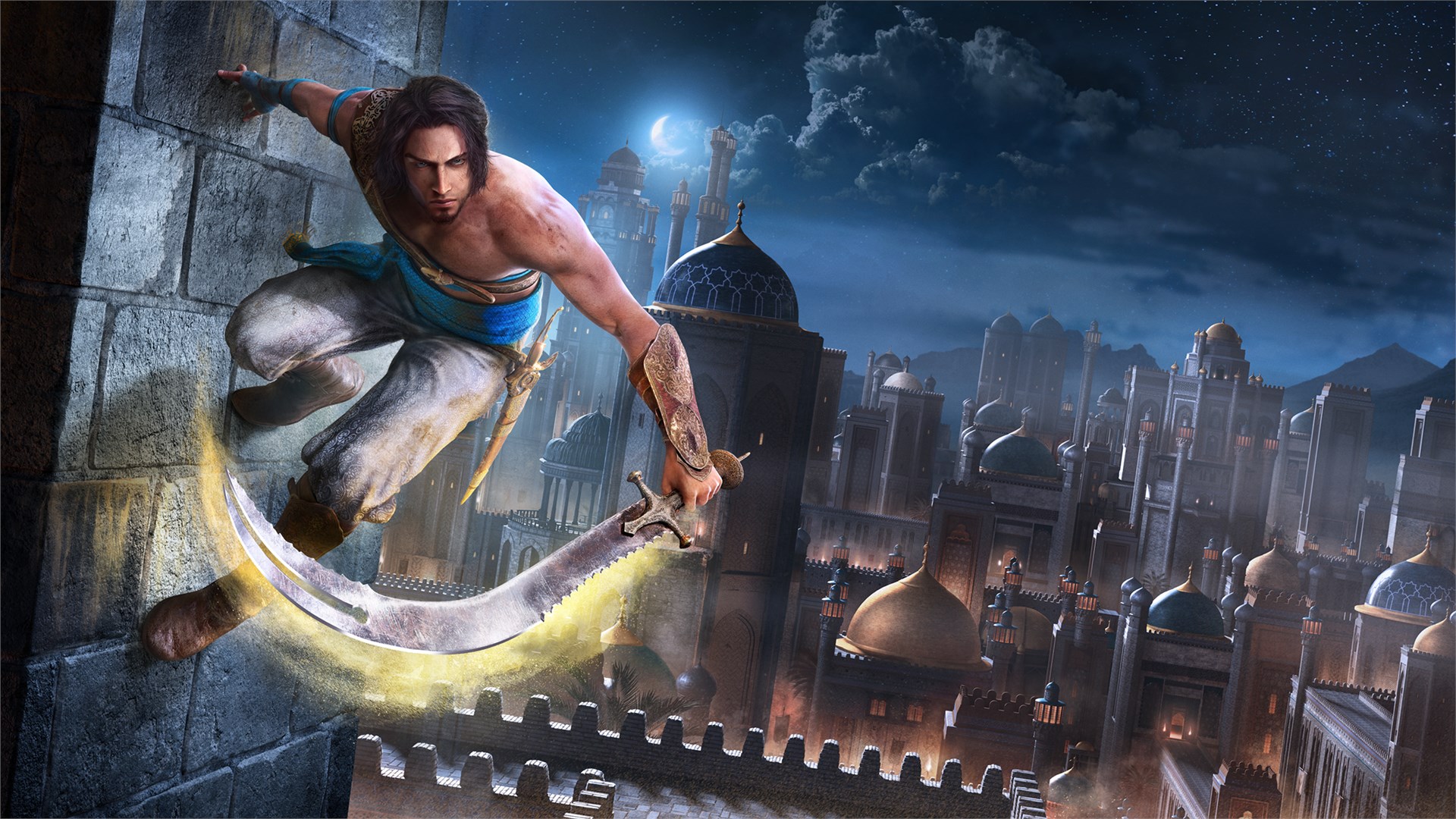
The Bottom Line: Ubisoft has officially pulled the plug on the long-delayed Prince of Persia: Sands of Time remake and five other unannounced titles. In a drastic bid for "sustainable growth," the publisher is restructuring into five specialized "creative houses" while pivoting hard toward live-service models and—most controversially—player-facing Generative AI.
We’ve seen the writing on the wall for the Sands of Time remake for years. What began as a nostalgic trip down memory lane turned into a development hell cycle that eventually became a meme among veteran fans. According to a recent Ubisoft press release, the company is finally admitting defeat, cancelling the remake alongside five other projects to "adjust for the shifting AAA market." While the move aims to trim the fat, we believe this signals a dangerous retreat from the single-player, story-driven experiences that built the Ubisoft brand in the first place.
The New "Creative House" Hierarchy
In an effort to stop the bleeding and focus on what CEO Yves Guillemot calls a "more selective and competitive" industry, Ubisoft is decentralizing. The company is splitting its talent into five distinct silos. Each "house" will manage its own P&L (profit and loss), marketing, and creative vision. Here is how the new Ubisoft looks on paper:
| Creative House | Primary Focus | Key Franchises |
|---|---|---|
| Base Ops | Open-World Pillars | Assassin’s Creed, Far Cry |
| Live Services | Persistent Ecosystems | Brawlhalla |
| Family & Casual | Broad Audience / Social | Just Dance, Uno |
| Shooter Specialists | Competitive & Tactical | The Division |
| Story & Fantasy | Narrative-Heavy IP | Rayman, Prince of Persia (Legacy) |
Our analysis? This is a double-edged sword. While specialization can lead to better QoL (Quality of Life) updates and more focused post-launch support, it often results in corporate silos that stifle the "cross-pollination" of ideas. We’re also keeping a close eye on Assassin’s Creed Jade. With seven unannounced titles delayed in this same sweep, we wouldn’t bet on Jade hitting its original 2026 window without a hitch.
The Rise of the Mid-Budget Threat
Guillemot’s comments about rising development costs are likely a reaction to the "Indie-plus" or "Triple-I" explosion. Last year, Clair Obscur: Expedition 33 famously swept nine categories at the 2025 Game Awards, proving that players are hungry for tight, polished experiences rather than bloated 100-hour map-clearers. Ubisoft is clearly feeling the heat from smaller studios that can pivot faster and take more creative risks. By cancelling anything that doesn't meet "enhanced quality" or "selective portfolio" criteria, Ubisoft is trying to stop being a "jack of all trades" and start being a master of a few specific niches.
The Red Flag: Generative AI and the Human Cost
The most alarming part of this restructuring isn't the cancellations—it's the tech pivot. Ubisoft quietly confirmed "accelerated investments behind player-facing Generative AI." We’ve seen enough "experimental" tech from Ubisoft (remember the Quartz NFT backlash?) to know that "player-facing" usually means intrusive systems designed to automate content at the expense of soul.
It’s a bitter pill to swallow for the community. We are seeing talented developers being made redundant across the board while the C-suite doubles down on AI. Our stance is firm: the reason games like Expedition 33 succeed is that players can feel the human intent behind every frame. You can’t prompt-engineer a masterpiece.
Furthermore, the friction caused by Ubisoft Connect remains a massive pain point. Forcing players to sign up for a service just to play a game they own is a relic of 2010s-era DRM thinking that needs to be nerfed into the ground. If Ubisoft wants to weather this storm, they need to stop looking at players as "live-service metrics" and start treating them like the veterans they are.
Final Word: Ubisoft is betting the farm on four new IPs, including the recently acquired March of Giants. But if they lose the "human touch" in a sea of Generative AI and specialized creative houses, they might find that their "sustainable growth" is built on a foundation of sand—and there's no Dagger of Time to undo that mistake.