
The Loon Curse: Why Age of Empires’ Most Iconic Sound is Haunting Everything You Play
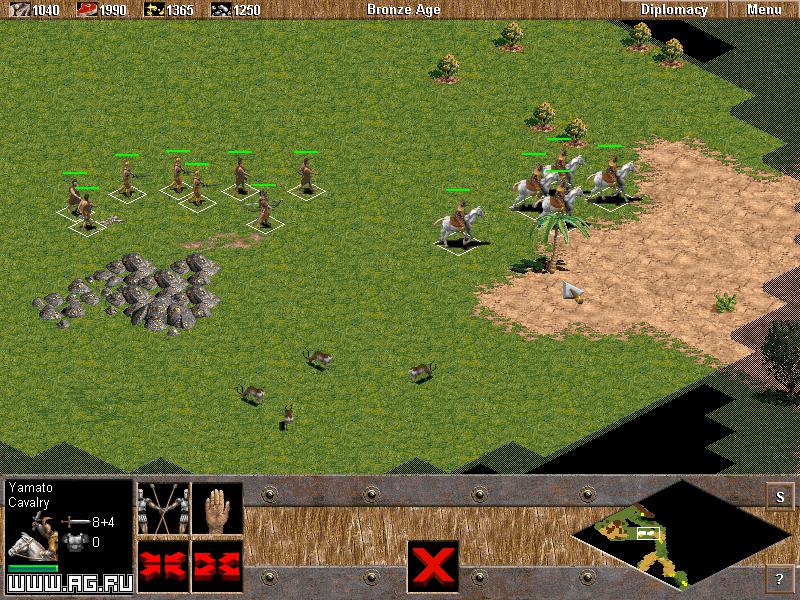
If you spent any time micro-managing villagers in the original Age of Empires, you know the sound: a haunting, tremolo warble that instantly signaled a "wild" atmosphere. But here is the reality we’ve uncovered: that bird isn't just in the jungle. It’s a sonic virus that has infiltrated three decades of pop culture, from Skrillex tracks to the death rattles of Dark Souls. Once you recognize the "Loon Garden" sample, the immersion of the modern AAA landscape begins to shatter.
Our analysis shows that while gamers often associate this specific cry with 1990s RTS nostalgia, its origins and reach are far more invasive. We’re talking about a single recording of a Canadian common loon that has become the "Wilhelm Scream" of environmental audio.
The Sonic Signature: From RTS to Pop Royalty
In our decades of covering the industry, we’ve seen plenty of assets reused—think the "whooshy" Doom door or the Skyrim dragon PNG appearing in Doctor Who. However, the Common Loon sample is on another level. It’s no longer just a sound effect; it’s a production staple that bridges the gap between classic gaming and Billboard Top 100 hits.
| Medium | Notable Appearances |
|---|---|
| Video Games | Age of Empires, Counter-Strike, Majora's Mask, Banjo-Kazooie, Two Worlds, Dark Souls (Mushroom Children death sound). |
| Music | Nicki Minaj ("Anaconda"), Lady Gaga ("Babylon"), Skrillex ("Animals Beat"), 808 State, Aphex Twin, Major Lazer. |
| Hardware Origin | E-mu Emulator II Sound Library (Preset: "Loon Garden"). |
The "Loon Garden" Legacy
We’ve traced this specific sample back to the E-mu Emulator II library, a legendary synthesizer used by the likes of Peter Gabriel and Pet Shop Boys. Recorded by the late Richard Burmer, the "Loon Garden" sample wasn't meant to be a gaming icon—it was a high-fidelity preset for 1980s synth-wizards.
When we interviewed Switch (formerly of Major Lazer), he confirmed the suspicion many of us veteran players had: these sounds weren't always "sourced" from the games themselves, but from the same library discs (like Sound Ideas or Audiosparx) that devs used to fill out their worlds on a budget. It’s a "game recognizes game" scenario, where producers and sound designers have been pulling from the same well for 30 years.
Why This Matters: The Immersion Break
The problem for us—the players—is that once you hear the loon, you can’t unhear it. It creates a massive "contextual glitch" in modern titles. When we hear that specific loon warble in The Long Dark over a frozen lake, or worse, on an alien planet in Halo Infinite, the fourth wall doesn't just crack; it dissolves.
The most egregious example? The Mushroom Children in Dark Souls. For years, players found their death cries unsettling. Now we know: it’s just a pitch-shifted Canadian waterbird. It turns a dark fantasy masterpiece into a game of "spot the stock asset."
- Historical Context: The "Loon Garden" sample predates modern digital distribution, living on physical library CDs from Japan to the US.
- Technical Limitation: The bird itself is heavy and needs a "runway" to fly, making its presence in many in-game biomes biologically impossible.
- The "Wilhelm" Effect: Much like the famous scream, the loon has moved from a functional sound to an inside joke among sound designers.
The Bottom Line
We believe the era of the "stock loon" needs to sunset. While it served as a vital tool for 90s devs trying to stretch a megabyte, its ubiquity in 2025 feels lazy. When you hear a sound in a $100 million blockbuster that you first heard while clicking on a Trebuchet in 1997, the sense of scale evaporates. It’s time for sound designers to retire the E-mu library and give us new ghosts to be haunted by.