
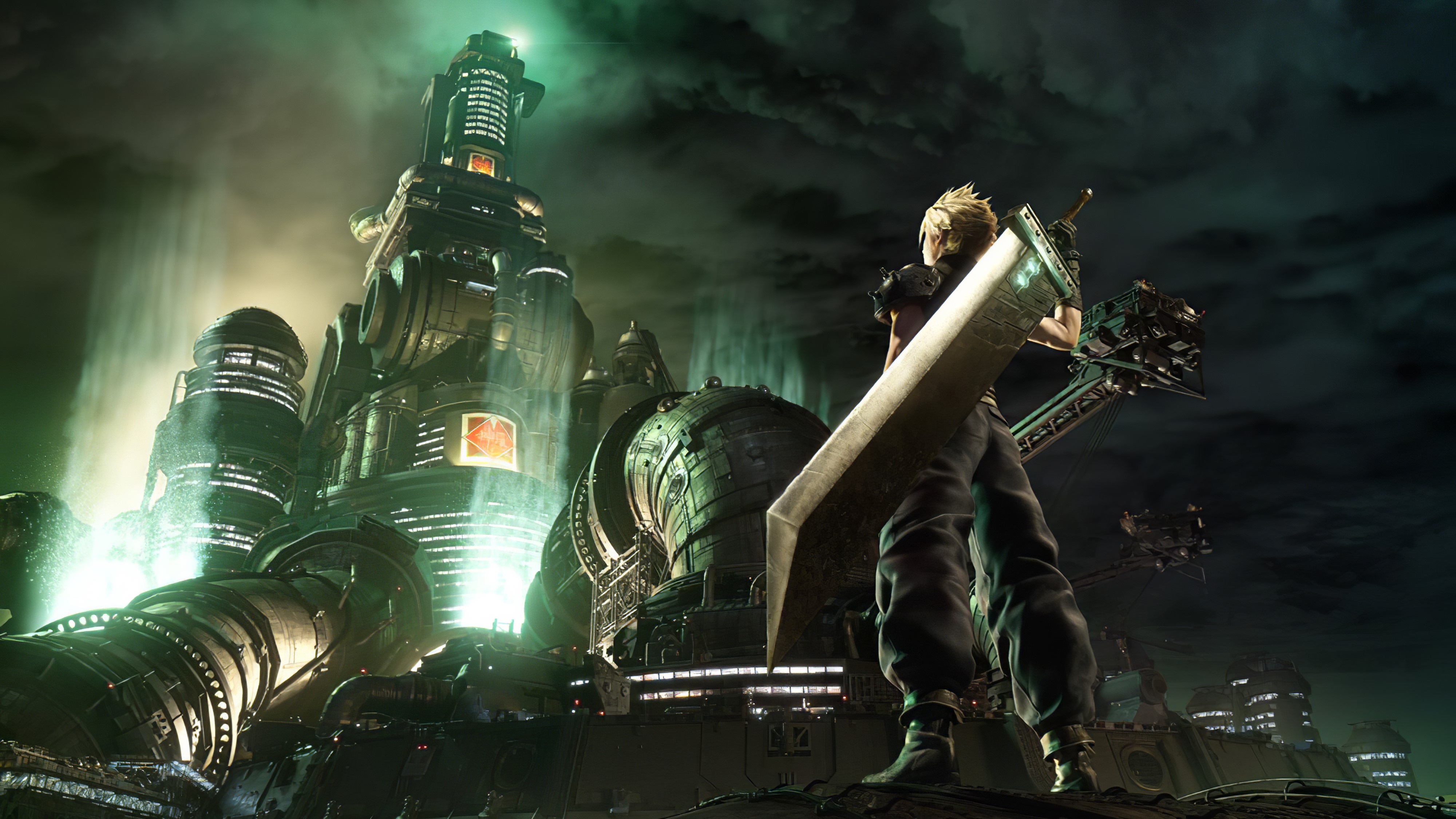
Final Fantasy VII Remake Hits Switch 2: A Technical Win With a Warning Label
The Bottom Line: Square Enix has officially brought Final Fantasy VII Remake to the Nintendo Switch 2, and the port is a definitive success for day-one adopters. However, while the game runs well, producer Naoki Hamaguchi is already flagging the console's "lower-end" specs as a potential hurdle for the rest of the trilogy. We believe this port proves the Switch 2 can handle late-gen PS4 fidelity, but it raises massive questions about how the massive, open-world Rebirth will scale down.
For years, Nintendo fans were forced to settle for "Cloud Versions" of Square Enix titles—a solution that was, frankly, a laggy mess for anyone without a fiber-optic connection. Seeing Remake running natively on a Nintendo handheld is the "impossible port" moment of this generation, much like The Witcher 3 was for the original Switch. Digital Foundry’s analysis confirms that the hardware is punching in a specific weight class that should satisfy most fans.
Performance Profile: Where Does the Switch 2 Sit?
Our analysis of the technical data shows a clear middle ground for this version. It isn't a mere port of the 2020 PS4 original, but it doesn't quite hit the 60FPS "Performance Mode" highs of the PS5's Intergrade.
| Platform | Performance Target | Visual Fidelity |
|---|---|---|
| PlayStation 4 | 30 FPS / 1080p | Base Textures / Dynamic Lighting |
| Nintendo Switch 2 | 30-45 FPS / 1080p (Docked) | Improved Textures / Enhanced Loading |
| PlayStation 5 | 60 FPS / 4K (Upscaled) | High-Res Assets / Ray Tracing (Minimal) |
Hamaguchi’s Reality Check
Naoki Hamaguchi isn't sugarcoating the hardware limitations. While he called the Switch 2 "appealing," he pointed out that other publishers are already "struggling" to optimize for the platform. This is a refreshing bit of honesty in an industry that usually runs on pure marketing hype.
We see this as a strategic move by Square Enix. By prioritizing Remake now, they are establishing a baseline. They want Nintendo players to get hooked on the quality of the first chapter so that when Rebirth eventually arrives—likely with significant cuts to draw distance or crowd density—the player base is already invested enough to overlook the compromises.
The "Expert" Take: Optimization vs. Raw Power
The fact that Remake looks as good as it does is a "flex" from Square Enix’s optimization team. However, we have to look at the "Information Gain" here: if Remake (a game largely comprised of corridors and contained environments) is already being labeled as a challenge for the hardware, Rebirth is going to be the real stress test. We expect to see heavy use of DLSS or similar upscaling tech to keep the frame pacing stable in the open-world segments of the sequels.
- Quality of Life (QoL): The Switch 2's faster storage means those notorious slow-loading elevators from the PS4 era are largely a thing of the past.
- The Portability Factor: Being able to play through the Midgar escape in handheld mode without the visual blur of the original Switch's 720p limit is a massive buff for the franchise.
- The Future: This release confirms Square Enix is moving away from PlayStation exclusivity much faster than in previous cycles, aiming for a "multi-platform first" strategy.
We think this is a must-buy for anyone who missed the Midgar saga, but don't expect the Switch 2 to be a PS5-killer. It’s a highly capable machine that requires developers to actually put in the work—work that Hamaguchi and his team clearly took seriously.