
Key Takeaways: Void War's DMCA Drama Unpacked
- DMCA Confirmed: The initial "troll" DMCA takedown of indie strategy game Void War from Steam was, in fact, legitimately issued by Warhammer 40,000 owner Games Workshop.
- The "Mal Reynolds" Twist: The curious sender name "Mal Reynolds" (a nod to Firefly's protagonist) was tied to Games Workshop's public-facing infringements inbox.
- The Offending Element: Games Workshop's concern was precisely "the oversized convex shoulder pads with a metallic rim" in one of Void War's trailers, fearing association.
- Developer's Stance: Tundra Interactive, Void War's developer, disagreed with the assessment but opted to remove the trailer to swiftly return the game to Steam, avoiding a protracted legal battle.
- Back in Action: Void War is now available on Steam, sans the contentious trailer.
Games Workshop vs. Void War: Shoulder Pads and the Iron Fist of IP Protection
Well, folks, we've got the definitive word on the mysterious Steam disappearance of Void War, and for any veteran gamer, the true culprit won't exactly shock you. What started as a confusing DMCA takedown, initially attributed to a clever troll, has now been firmly laid at the feet of Games Workshop – and the reason? A shoulder pad. Yes, you heard that right.
The Saga Begins: FTL in a 40K Skin
Last month, news broke that Void War, a strategy game frequently lauded as "FTL in a Warhammer 40,000 skin," was abruptly pulled from Steam. Developers Tundra Interactive initially speculated it might be a nuisance takedown, a common bane for indie devs, particularly given the bizarre claiming name: "Mal Reynolds." For fans of Firefly and Nathan Fillion, that name instantly flags as the beloved captain of Serenity, making the whole situation reek of a prank. Who would’ve thought a major IP holder would have a "Mal Reynolds" on their legal team?
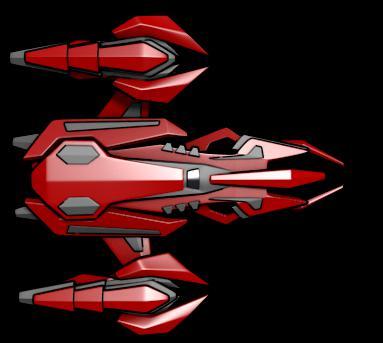
However, the comparisons between Void War and Games Workshop's iconic Warhammer 40,000 universe are undeniable. We’re talking voidships that mirror Imperial Navy vessels, characters that scream Space Marines, explicit references like "Psyker" and "Imperial Shrineworlds," even "Imperial astrogation authorities." Our take? It was always going to be a tightrope walk for Tundra Interactive given the clear aesthetic inspiration.
The Mal Reynolds Enigma Solved
The plot thickened when Tundra Interactive confirmed that the takedown notice, despite the playful alias, genuinely originated from Games Workshop’s public-facing infringements inbox. While the "Mal Reynolds" pseudonym was certainly a head-scratcher – frankly, a bold move for a legal department – it turns out Games Workshop truly was behind the entire ordeal. They eventually confirmed their notice to Tundra Interactive, cutting through the initial confusion.
The Infamous Shoulder Pad
And what was the sticking point? Not the entire game, not the "Psyker" name, not even the Imperial Shrineworlds. Games Workshop's concern was laser-focused on "the oversized convex shoulder pads with a metallic rim" visible in one of Void War's promotional trailers. Their worry? That this specific visual element could create the impression that Void War was officially associated with Games Workshop. This level of granular IP enforcement is precisely what we’ve come to expect from the company. Talk about playing hardball over a single asset!
Developer's Dilemma: Fight or Flight
Tundra Interactive, while disagreeing with Games Workshop's assessment, made a pragmatic decision. To avoid a drawn-out, costly DMCA battle that would stall development and keep their game off the storefront, they simply pulled the offending trailer. This allowed them to get Void War back onto Steam promptly, prioritizing their development roadmap over a legal skirmish. We can’t fault them for that strategic retreat; getting back to work on the game is always the endgame.
Back on Steam, But the Message is Clear
As of now, Void War is back on Steam, a testament to Tundra Interactive's quick action. But this incident serves as yet another stark reminder of Games Workshop's notoriously stringent IP protection policies. They are keeping a remarkably close eye on any and all intellectual property infringements, no matter how seemingly minor the detail. For indie developers drawing inspiration from established universes, this is a potent warning: the Inquisition is always watching, even down to the very shape of your characters' armor. Be warned!