
- Best Entry Points: Yakuza 0 (Chronological), Yakuza Kiwami (Original Story), or Yakuza: Like a Dragon (New Protagonist/RPG Pivot).
- Genre Shift: The series transitioned from real-time brawling to turn-based RPG mechanics starting with Yakuza: Like a Dragon.
- Scope: Titles range from linear, focused brawlers (Kiwami) to massive, multi-city epics (Yakuza 5, Infinite Wealth).
- Platform Expansion: Extensive availability across PS4, PS5, Xbox Series, PC, and upcoming support for Switch 2.
The Kiryu Saga: From Street Brawler to Legend
For those looking to understand why the Like a Dragon series (formerly Yakuza) has such a cult following, you have to start with Kazuma Kiryu. We’ve seen this series evolve from a niche PS2 title into a global powerhouse, and the "Kiryu Era" is where the foundation was laid.
Yakuza 0: The Ultimate Prequel
If you want the "meta" starting point, this is it. Set in the neon-soaked 1980s, it's a dual-protagonist masterpiece featuring a young Kiryu and Goro Majima. The combat styles are varied, the sidequests are peak "offbeat humor," and the story involving a "tiny empty lot" is surprisingly high-stakes. It’s available on nearly everything, including the upcoming Switch 2.
The Kiwami Remakes
Yakuza Kiwami and Kiwami 2 are more than just HD textures; they are ground-up modernizations. Kiwami is a tighter, more linear experience that introduces core characters like Haruka. Kiwami 2 steps it up with the Dragon Engine, bringing Sotenbori to life and introducing Ryuji Goda—one of the few villains who actually feels like a physical threat to Kiryu. The "Majima Saga" side story in Kiwami 2 is a nice fan-service bonus for those who played 0.
The Middle Years: 3, 4, and 5
Yakuza 3 moves the action to Okinawa, trading the concrete jungle for "Dad Mode" Kiryu running an orphanage. While the pacing is different, the emotional stakes are real. Yakuza 4 was a massive game-changer for the franchise, introducing multiple playable characters like the loan shark Akiyama and the powerhouse Saejima. Yakuza 5 is the "everything and the kitchen sink" entry—five protagonists, five cities, and enough content to sink a hundred hours into, including taxi driving and idol careers.
Yakuza 6: The Song of Life
This is the technical swan song for Kiryu’s solo run. It’s a lower-key, more intimate story set in Onomichi. While it lacks the multi-character sprawl of 5, the emotional payoff for Kiryu and Haruka’s journey makes it a mandatory play for veterans. Plus, seeing Kiryu handle a baby while navigating international crime syndicates is the kind of contrast this series does best.
The Ichiban Era: A New Way to Fight
When the series rebranded to Like a Dragon, it didn't just change the name—it flipped the genre on its head. Our take? The pivot to turn-based RPG mechanics was a bold move that paid off by leaning into the series' inherent absurdity.
Yakuza: Like A Dragon
Enter Ichiban Kasuga. Unlike the stoic Kiryu, Ichiban is a loud, optimistic protagonist who literally sees the world as an RPG. This game introduces Yokohama and a job system that replaces traditional gear with career-based skills. It’s a perfect onboarding point for newcomers who prefer Dragon Quest vibes over Streets of Rage.
Like A Dragon: Infinite Wealth
This is the series' biggest undertaking yet. Taking the action to Hawaii, Infinite Wealth teams up Ichiban and Kiryu for a massive adventure. It builds on the turn-based systems of the previous title and adds high-tier side content like a DIY island resort and roguelike dungeons. If you want a vacation with your crime drama, this is it.
Spin-offs: Historical Drama and Pirate Ships
The Like a Dragon universe isn't afraid to get weird. These titles take the core DNA—exploration, drama, and minigames—and transplant them into wild new settings.
The "Man Who Erased His Name" & Pirate Mayhem
Like A Dragon Gaiden is a shorter, focused brawler that fills in the gaps of Kiryu’s life as a secret agent. It's "light" on content but heavy on style, particularly the gadget-based Agent fighting style. Meanwhile, Pirate Yakuza in Hawaii takes the "ridiculousness" to an 11, featuring an amnesiac Majima commanding a pirate crew. It’s the peak of the series' experimental streak.
Historical Fiction: Ishin!
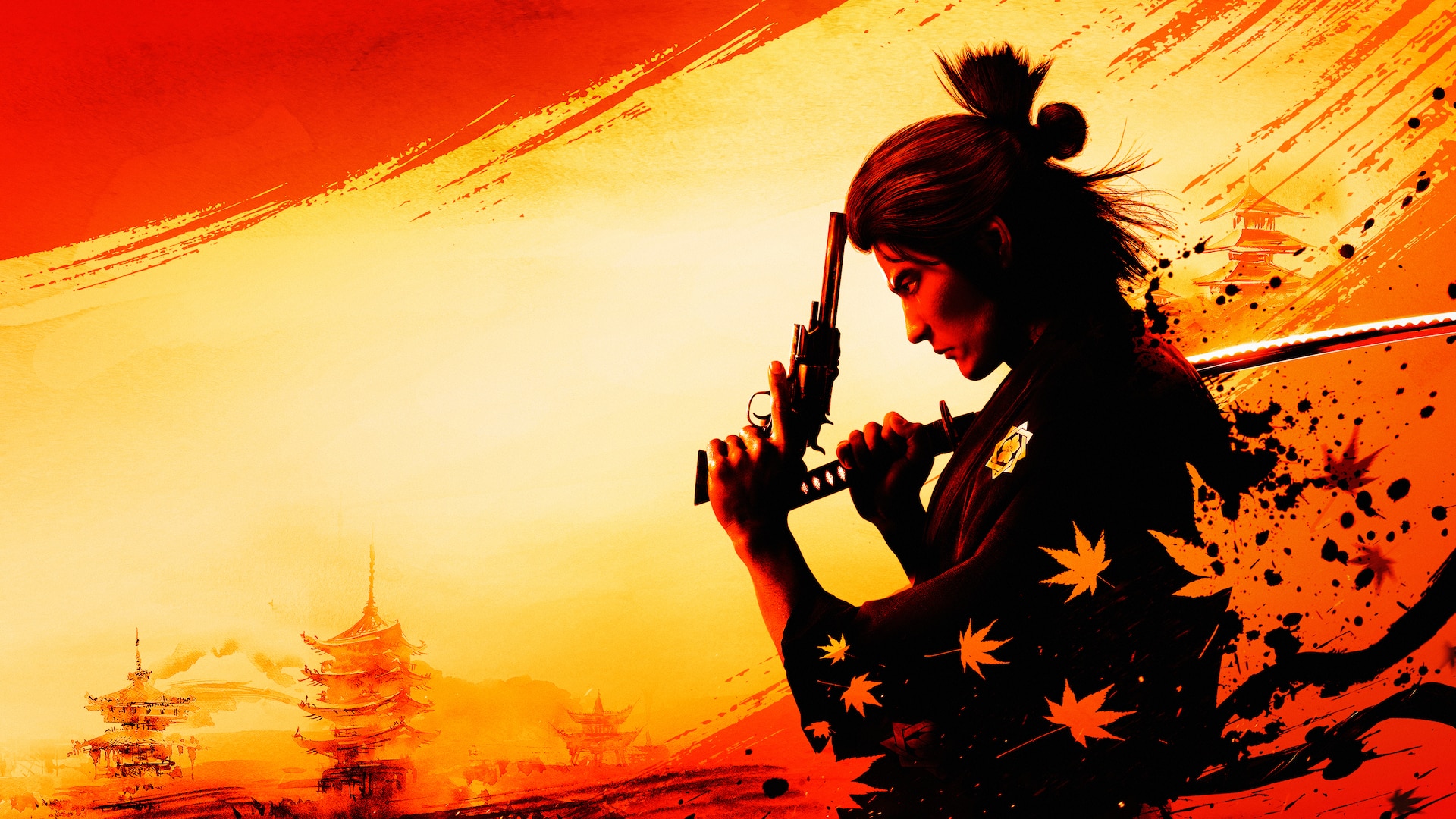
Like a Dragon: Ishin! swaps suits for kimonos. Set in the 1800s Bakumatsu period, it features familiar faces (Kiryu’s "actor" plays Sakamoto Ryoma) in a story of swords, guns, and political upheaval. It’s a great pick for those who want the Yakuza feel without the modern-day setting.
Judgment: The Detective Side
For a different flavor of Kamurocho, Judgment follows Takayuki Yagami, a disgraced lawyer turned private eye. It sticks to the classic brawling combat but adds "street smarts" and investigation mechanics to the mix, offering a gritty perspective on the city we've spent decades exploring.