


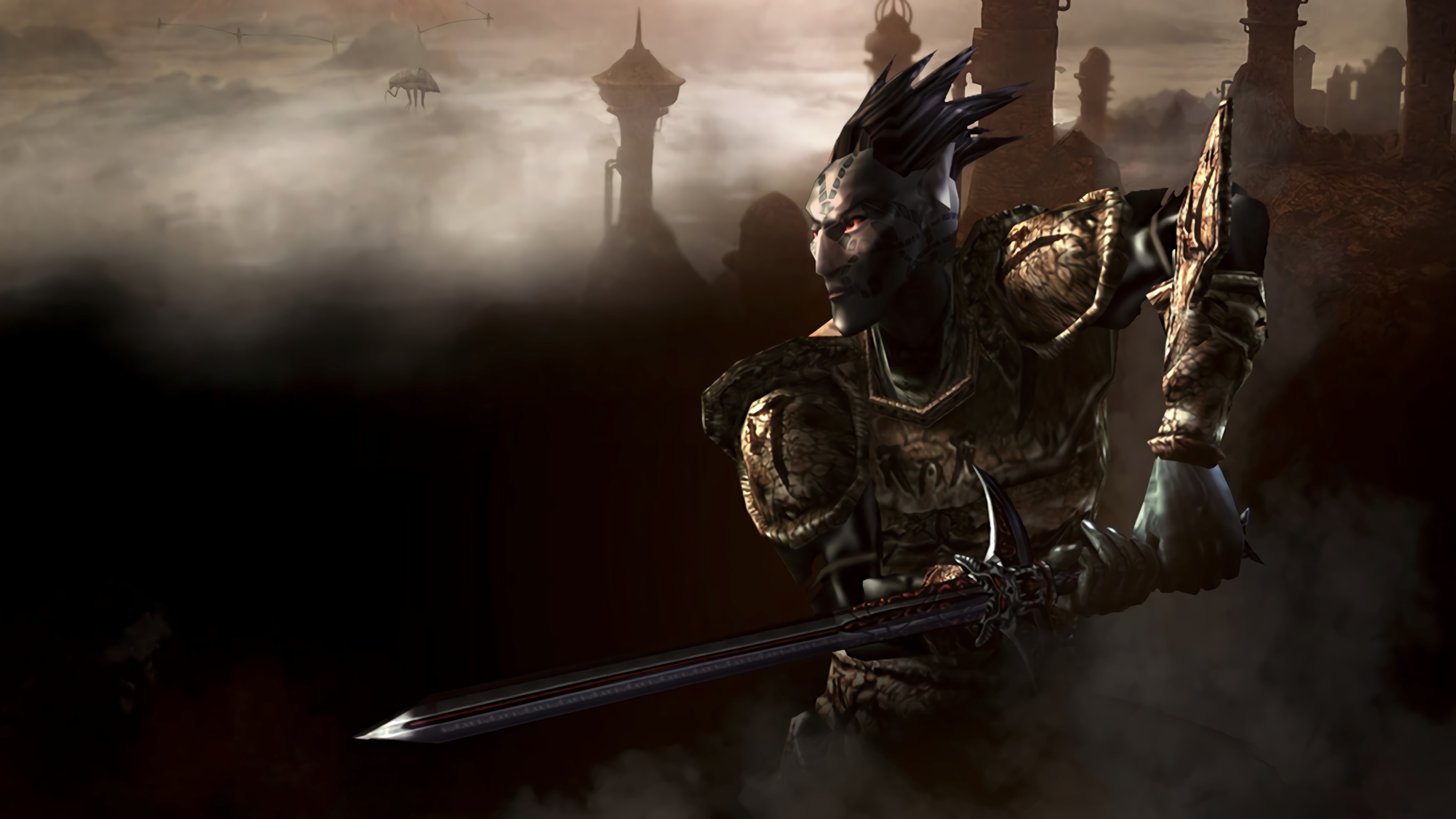
The Vvardenfell Verdict: Why Bruce Nesmith Is Wrong About Morrowind's Timelessness (But Right About Its Combat)
Bruce Nesmith, a name etched into the credits of Bethesda’s most iconic RPGs, recently dropped a bombshell: Morrowind, he claims, simply “would not stand the test of time.” While we respect his storied career, our analysis suggests Nesmith fundamentally misses the point of what makes a classic endure, though his critique of its janky combat does hit home. Fortunately, Larian Studios' Michael Douse offers a compelling counter-proposal: a modern Morrowind with updated combat wouldn't just be an ideal remake; it would be a commercial goldmine.
Nesmith’s resume is legendary, a testament to his expertise forged over decades. His design and writing fingerprints are all over titles like:
- Daggerfall
- Oblivion
- Skyrim (where he served as lead designer)
- Fallout 3
- Fallout 4
Yet, even a veteran like Nesmith can misread the room. His assertion that players would "cringe" revisiting Vvardenfell feels out of touch with a significant segment of the gaming community. Many of us still fondly recall the sheer *weirdness* and unparalleled freedom of that initial journey, a stark contrast to the more streamlined, arguably safer, experiences that followed.
We won't sugarcoat it: Morrowind's combat system was, by modern standards, janky. The reliance on virtual dice rolls for hit detection in a first-person perspective often led to frustrating misses, even when your blade visibly connected with an enemy. It’s a major quality-of-life hurdle for contemporary players expecting immediate visual feedback and responsive mechanics. This is precisely where Michael Douse, Larian's publishing chief, steps in with a more nuanced, and frankly, more insightful take.
Douse correctly identifies the core friction point, arguing that "you cannot have an RNG system with first-person combat." His vision of a modern Morrowind with a refined combat system—perhaps even incorporating a VATS-like mechanic for strategic dice rolls, as seen in Fallout 3—isn't just wishful thinking; it's a smart business pitch. He posits it "would sell like fucking hotcakes," and we wholeheartedly agree. This isn't an idle fantasy; successful remakes like Bloober Team's recent Silent Hill 2 underscore the hunger for classic experiences revitalized for contemporary palettes.
But to fixate solely on combat is to miss the entire point of Morrowind’s enduring legacy. Its true magic, the elements that allow it to still resonate two decades later, lies in its foundational strengths:
- Unparalleled Worldbuilding: Vvardenfell remains one of gaming's most alien, compelling, and utterly unique settings. Its fungal forests, bizarre architecture, and complex political factions are unmatched.
- Deep Lore and Mythology: A rich, immersive narrative and lore that rewards exploration and critical thinking, unlike anything else in the series.
- Forceful Weirdness: A refusal to cater to conventional fantasy tropes, fostering genuine discovery and a sense of being truly alien.
- Player Agency: The freedom to truly carve your own path, often through morally ambiguous choices, in a perilous land.
This was the last time The Elder Scrolls dared to be truly bold, eschewing mainstream appeal for a singular, uncompromising vision. Subsequent titles, while commercially successful—and we can't argue with Skyrim's continued player count, even over a decade later—felt increasingly cautious. Bethesda's strategy has been to smooth down the edges, making the world more accessible but arguably losing some of its soul in the process of systemic refinement.
While Nesmith’s comments, made years after his departure from Bethesda in 2021, might sting some purists, they serve as a valuable catalyst for discussion about game design evolution and preservation. The debate isn't about whether Morrowind is *perfect* by today's standards, but what core elements make a game timeless. And frankly, the unique blend of world, lore, and audacious design found in Vvardenfell continues to stand firm.
Perhaps Douse isn't just making noise; he's planting a seed. A Morrowind remake, handled with reverence for its soul and an intelligent update to its janky bits, isn't just a fantasy—it's a massive opportunity. And frankly, we're ready to throw money at it.