
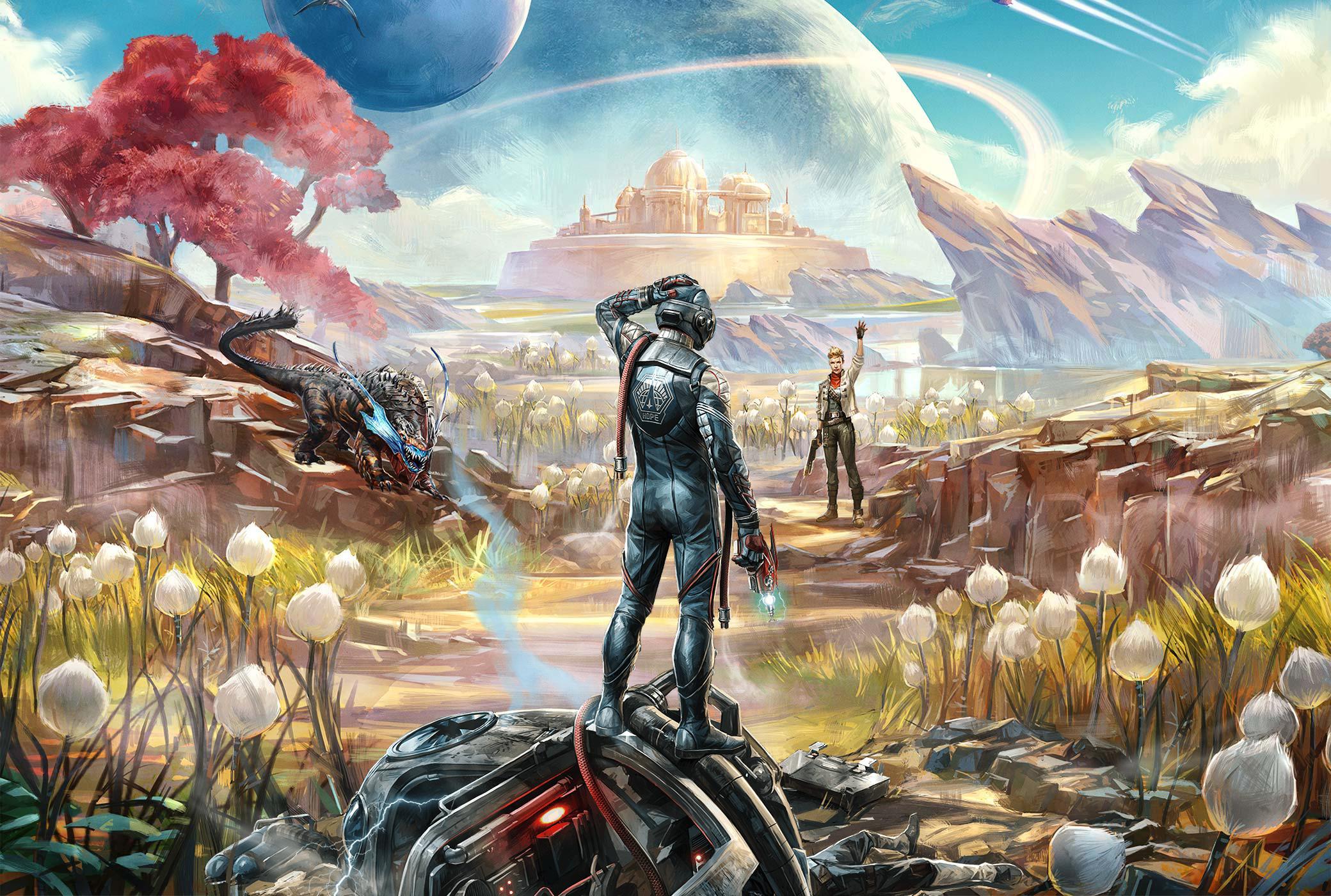
The cosmic dust has settled, and the news from Obsidian Entertainment is a tough pill to swallow for many fans: a third installment in The Outer Worlds saga is officially off the table. Our analysis of the recent sit-down between Bloomberg's Jason Schreier and studio head Feargus Urquhart reveals a studio shifting gears under pressure, making a strategic pivot after two of its flagship RPGs, The Outer Worlds 2 and Avowed, demonstrably missed their sales targets. This isn't just a simple announcement; it's a critical course correction for a studio synonymous with deeply engaging, player-choice-driven RPGs, and it signals a new era for Obsidian under the Xbox Game Studios banner.
For veterans of Obsidian's journey, this news echoes past challenges. We've seen this scenario play out before, where acclaimed titles, even beloved ones like Fallout: New Vegas, didn't immediately lead to direct, iterative sequels despite massive fan demand. Urquhart's frank admission that sales for both games "missed the mark" – albeit not being "disasters" – speaks volumes. While we appreciate the diplomatic spin, the bottom line is clear: when the numbers don't add up for Microsoft, creative plans get re-evaluated. This isn't just a creative decision; it's a business reality check, and it means the unique, quirky sci-fi universe of Halcyon won't be getting its full narrative arc from its original creators.
The push for a leaner, faster development cycle is the immediate consequence. After an ambitious 2025 that saw the release of three major titles – Avowed, Grounded 2, and The Outer Worlds 2 – all in one calendar year, Obsidian aims to cut its development times down from over six years per RPG to a more agile three or four. While the promise of more frequent releases might sound good on paper, we're cautiously optimistic. Faster doesn't always mean better, and the risk is always that scope creep or polish can get sacrificed on the altar of a stricter timeline. This new cadence is meant to facilitate both "big and small projects," but the message is clear: the focus is now heavily skewed towards the Avowed universe, with "more games" planned within that fantasy IP.
Obsidian's Shifting Strategic Focus:
- The Outer Worlds 3: Not in current plans.
- Avowed Universe: Targeted for multiple future titles.
- Development Cycle: Reduced from 6+ years to 3-4 years per title.
- Recent Releases (2025):
- Avowed
- Grounded 2
- The Outer Worlds 2
The sales performance of the two major RPGs is the lynchpin of this pivot. Despite The Outer Worlds 2 launching day-and-date on PS5 alongside Xbox Series X|S and PC, and Avowed gearing up for its PS5 port on February 17th, the initial targets weren't met. This cross-platform push, particularly for a studio now deeply integrated into the Xbox ecosystem, highlights the desperate grab for market share and the urgent need to recoup development costs. It's a strategic move to chase those elusive sales figures, hoping to gain enough traction to validate continued investment in the Avowed IP.
It’s not all doom and gloom for existing fans, however. Obsidian is holding the line on its immediate commitments. The post-launch DLC for The Outer Worlds 2, spanning two expansions, is still on the roadmap. Similarly, the highly successful Grounded 2 will continue to receive support. This is crucial for maintaining player trust and demonstrating that current projects won't be left in the lurch as the studio reorients its compass. The review snippet for The Outer Worlds 2 – "Mechanically Fantastic RPG Struggles to Be Memorable" – perhaps hints at a deeper issue than just sales, suggesting that even solid mechanics can't always carry a game to commercial success if it fails to leave a lasting impact in a crowded market.
Ultimately, this strategic shift is a significant moment for Obsidian Entertainment. While we lament the apparent end of *The Outer Worlds* as we know it, we understand the brutal realities of the games industry. The question now isn't just what Obsidian will make, but what kind of Obsidian will emerge from this period of intense self-reflection. Will shorter dev cycles result in a more focused, polished experience, or will the pressure lead to less ambitious, more generic offerings? Our bet is on Obsidian learning from these hard lessons, but the road ahead for this beloved RPG powerhouse looks dramatically different than it did just a year ago.