
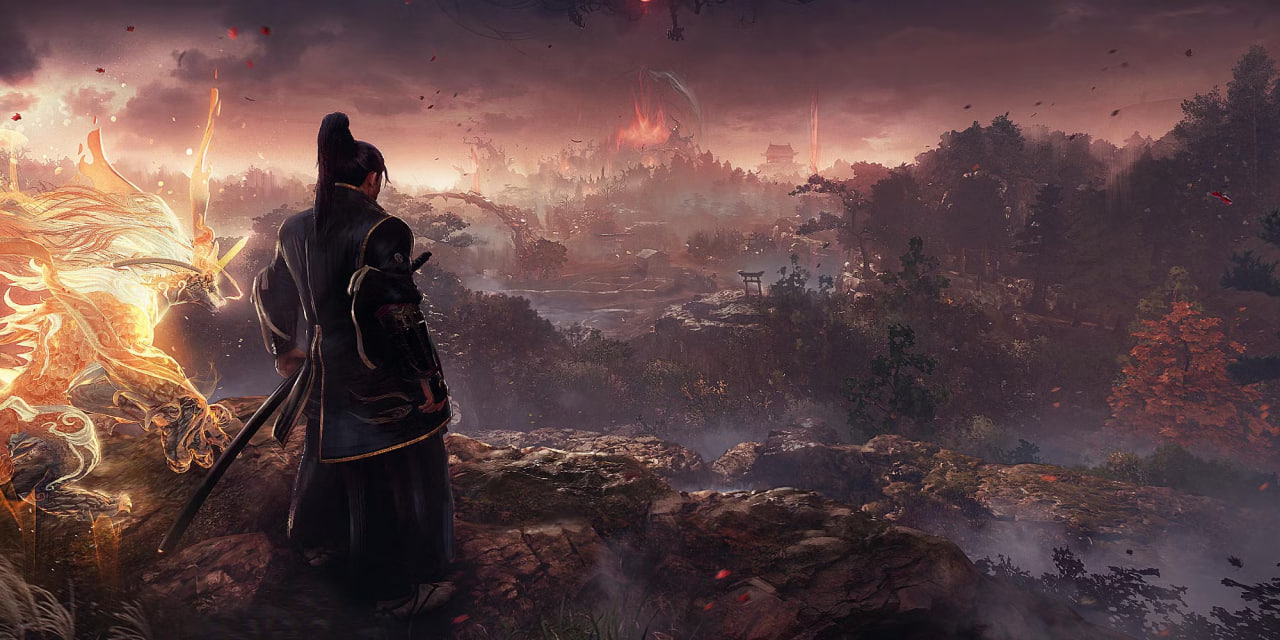
Team Ninja has always worn its inspirations on its sleeve, yet consistently forged its own path in the hardcore action genre. With Nioh 3, we witness the culmination of nearly a decade of iteration, a game that doesn't just chase FromSoftware's shadow but solidifies Team Ninja's unique brand of excellence. Our analysis confirms this isn't simply another competent Soulslike; it's the studio's most refined action package to date, blending the best elements from its past endeavors like Nioh 1 & 2, Wo Long: Fallen Dynasty, and Rise of the Ronin into a cohesive, if occasionally unoriginal, triumph.
The immediate takeaway is Team Ninja’s bold shift in structure. Where the previous Nioh entries adhered to linear, mission-based progression, Nioh 3 embraces an "open zone" philosophy, clearly angling for its own "Elden Ring moment." This translates into multiple, distinct maps spanning various locations and time periods, offering players unprecedented freedom to explore, level grind, and tackle side quests. Imagine Elden Ring’s sprawling world, then segment it with load screens and pepper it with the familiar, almost stereotypical, "Ubisoft-style" activity icons. Clearing enemy camps, plundering chests for new gear, and collecting simple trinkets are the order of the day. While this approach lacks true exploratory magic – items are marked on the map once you're nearby, leaving little room for genuine secrets – it provides a vital new dimension to the Nioh formula. These basic distractions serve a crucial purpose: they offer ample opportunities to hone your build, test new weapon proficiencies, and scale the inherent difficulty.
The new map design is surprisingly effective, moving beyond simple open fields. We encountered zones gripped by freezing winters, others crumbling into decay, and intricately built-up urban areas demanding tactical navigation. These larger zones are punctuated by smaller, linear narrative levels, a clear nod to veterans who appreciated the tight design of the earlier games. However, players cannot revisit these linear segments, underscoring that the game's longevity rests squarely on the shoulders of its larger, replayable zones. The ingenious hook, similar to Elden Ring but on a more manageable scale, is simple: if you're brick-walled by a boss, simply shift focus, explore another zone, power up your character, and return later. Side quests and a constantly rewarding loot system ensure a steady stream of better weapons and armor, making the grind feel productive rather than punitive.
What truly fuels Nioh 3’s wider scope is the evolution of its trademark combat system, now ingeniously split into two distinct styles: Samurai and Ninja. Players can seamlessly switch between them mid-battle, each offering unique moves and benefits.
- Samurai Style: The traditional Nioh experience. Demands precise stamina management, critical Ki Pulses, expert blocking, parrying, and heavy-hitting weapon mastery. This is your foundation for direct confrontation.
- Ninja Style: Focuses on agility, deception, and rapid strikes. Replaces the Ki Pulse with an evasive dodge that leaves a decoy, perfect for tricking enemies. It incorporates Ninjutsu items like bombs and shurikens, allows stamina regeneration through evasion, and facilitates stealth takedowns.
Ignoring half the combat system would be a genuine disservice; effective play demands investment in both. With deep skill trees tied to each style and every weapon type, the customization options for your custom character are immense. Add in Guardian Spirits for magical buffs and the temporary Living Artifact ultimate state, and it’s clear this title goes far beyond mere sword swipes. It’s an intricate dance of tactical choices and build optimization, delivering perhaps the finest melee action we'll experience all year.
Crucially, Nioh 3 marks the most approachable entry in the series. While still a brutal experience that punishes lapses in concentration, its general difficulty feels a touch below its predecessors. Our team rolled credits with only a handful of bosses proving truly formidable. The inclusion of AI companions and robust co-op features further mitigates the challenge, providing essential support for the roughly 45-hour campaign. The open zones themselves act as a natural difficulty valve, allowing players to over-level if needed. This increased accessibility broadens the game’s appeal without compromising the core hardcore DNA that defines Nioh.
However, no launch is without its blemishes. While the game is largely fit for purpose, Nioh 3 suffers from glaring frame rate drops and hitches, even on a PS5 Pro in Performance Mode. Crowded screens, especially, trigger noticeable stuttering, which is unacceptable for a fast-paced action game where precision is paramount. We fully expect post-launch patches to address these performance issues, as they currently detract from an otherwise sublime experience.
In our assessment, Nioh 3 is a testament to Team Ninja’s expertise, delivering a profoundly familiar yet expanded and enhanced package. The intense action that brought the series to its third entry remains the undisputed highlight, now supported by larger, more engaging maps. While the time-jumping narrative quickly fades into background noise, the core loop of building your character, clearing open-zone activities for loot, and overcoming brutal boss encounters is where Nioh 3 truly shines. It’s a powerful statement from a studio at the peak of its powers, a love letter to a fanbase that knows exactly what it wants.
Verdict: Great 8 / 10
In Game News Editorial Team Highlights:
- Familiar, hardcore Nioh action refined to perfection.
- Deep, versatile combat with two distinct styles (Samurai & Ninja).
- Excellent variety of locations within the new open zones.
- The most accessible game in the series, without sacrificing challenge.
- Open zone activities are functional but lack originality.
- Significant frame rate drops and hitches demand immediate patching.
Review copy provided by Koei Tecmo.