
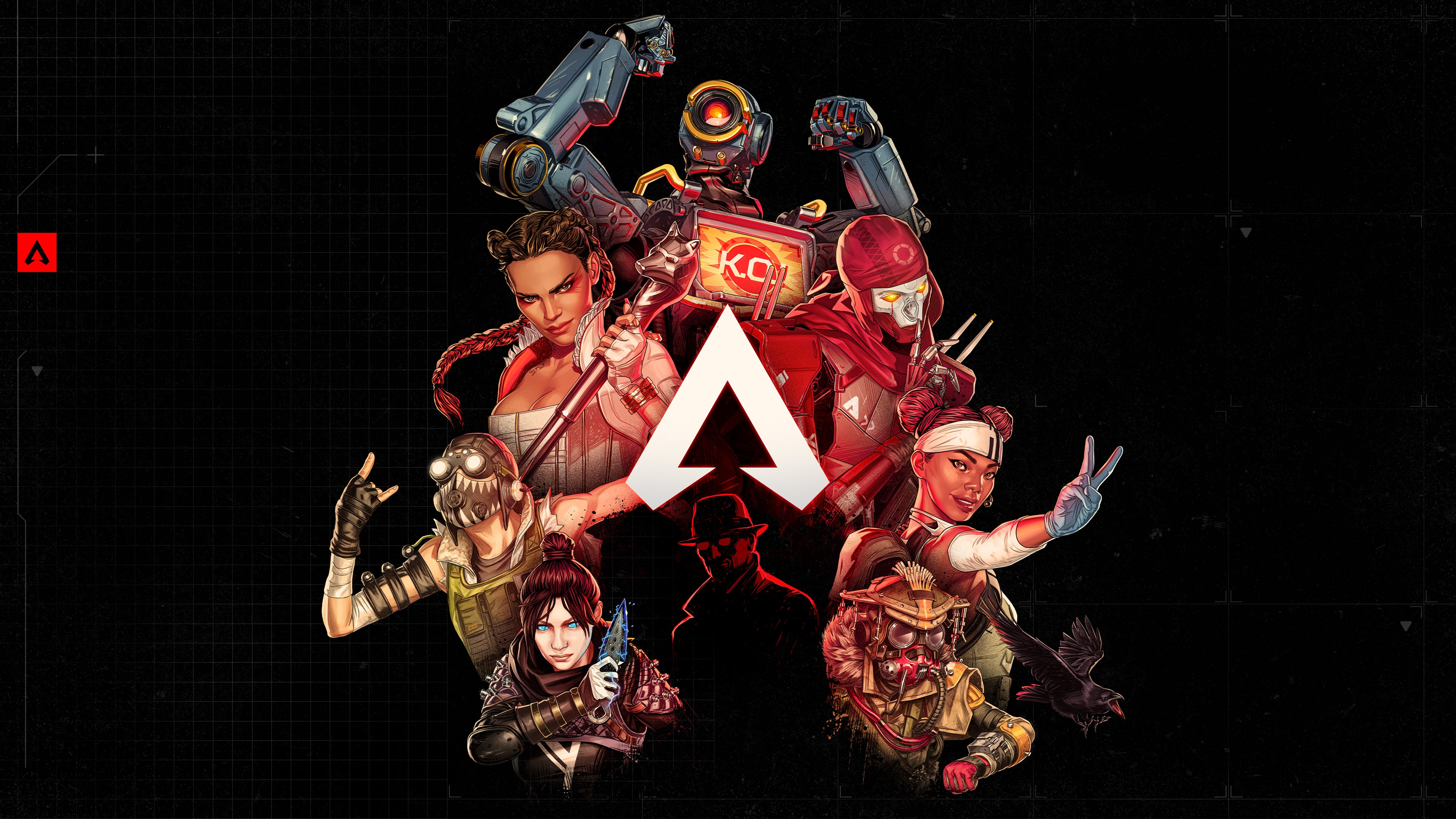
Alright, Legends, buckle up. As Lead Tech Analyst here at In Game News, and as someone who’s been dropping into Apex since the Skull Town days, we’re peeling back the layers on one of the most audacious plays in live-service game history. We’re talking about Forge, the legend who never was, and the brilliant, frustration-fueled meta-game Respawn cooked up to outsmart the dataminers.
Key Takeaways
- The Forge Gambit: Respawn intentionally crafted Forge as a fake legend to combat persistent leaks and datamines that were undermining their new character reveals.
- Developer Frustration: Extensive early leaks, including prototype characters for years ahead, pushed the dev team to their breaking point, leading to this audacious plan.
- Unprecedented Storytelling: The "murder of Forge" by Revenant in Season 4 remains a unique and un-replicated narrative twist in major live-service games.
- Catharsis & Fun: While born from frustration, the Forge stunt was ultimately a "real blast" for developers to put together, providing a much-needed outlet for creative release and delivering a memorable moment for the community.
The Early Days: A Behemoth Under Siege
We veteran players remember Apex Legends' early run as a simpler time. A leaner roster, a different meta with the Wingman chewing heavy ammo, and Skull Town as the undisputed hot drop. Apex was a behemoth, a constant fixture in the top five Steam games, and every season was a monumental event. But with that kind of success came a persistent shadow: leaks and datamines. These weren't just spoilers; they were actively undermining the meticulously planned reveals and trailers, spoiling the hype and often showcasing half-finished assets that opened the dev team up to premature criticism.
Respawn's narrative lead, Ashley Reed, concedes it’s "better than if they didn't care at all," but our take is clear: it still deeply rankled the development team. Imagine putting your heart into something only for a rough, in-progress version to be dissected online before you're ready. That's a blow to creative integrity.
The Leak Problem: When Frustration Breeds Genius
The breaking point, according to Reed, came after what she calls "'the big leak' – or rather, a couple very close together when we first launched." The first was a picture of playtesting characters taken right from the studio. "That shook the studio up," Reed recalls. But then came the real gut punch: "essentially all of our prototype characters for the next three or four years leaked at once through some kind of datamining."
This wasn't just a minor annoyance; it was a systemic problem. Developers were forced to "do extra work to kind of hide things within our own code," and even then, they sometimes "got in trouble for being too obvious." It was a constant arms race against an increasingly sophisticated community of leakers.
Our sources indicate some designers reached their limit. Reed laughs as she recounts the sentiment: "fine, if you want to datamine something, I'll give you something to datamine." And just like that, the idea for Forge was cooked up: "why don't we just put a fake one in there, just to fool them?"
Forge: The Ultimate Misdirection
From that spark of frustration, a legend was born – and swiftly killed. Forge had everything: in-game file images, a full-blown reveal, trailers, and all the usual fanfare. Most casual fans were completely bought in, convinced the next melee-focused champion was about to drop. It was a masterclass in misdirection.
Did it work on the leakers and the hardcore min-maxing community? Reed's assessment is nuanced: "I think some people were fooled. [But] I think some people caught on that it was a concept art and not a model." Regardless, the impact was undeniable. The trailer where Revenant spectacularly murdered the champion-elect was a shocking, brilliant piece of storytelling that no one saw coming.
For the development team, it was more than just a prank; it was cathartic. "That's where Forge came from, it was pure frustration, but turned in a positive direction," Reed confirms. We believe it was a bold, necessary move to reclaim some control over their narrative and to remind everyone that some stories are best experienced directly, unfiltered by early leaks.
The Legacy of the Fallen Fighter
Forge might be dead, but his legend lives on. The stunt was an ambitious piece of storytelling "that hasn't been seen before or replicated since by any major live-service game." While some players still clamor for Forge to make a comeback, our analysis of the current meta suggests there's even less of a place for a close-combat brawler in Apex today than there was back then. Still, the impact of his brief, glorious existence resonates.
Forge is dead, long live Forge. He stands as a testament to developer ingenuity and the lengths a studio will go to protect their vision in the ever-evolving battle against leaks.