
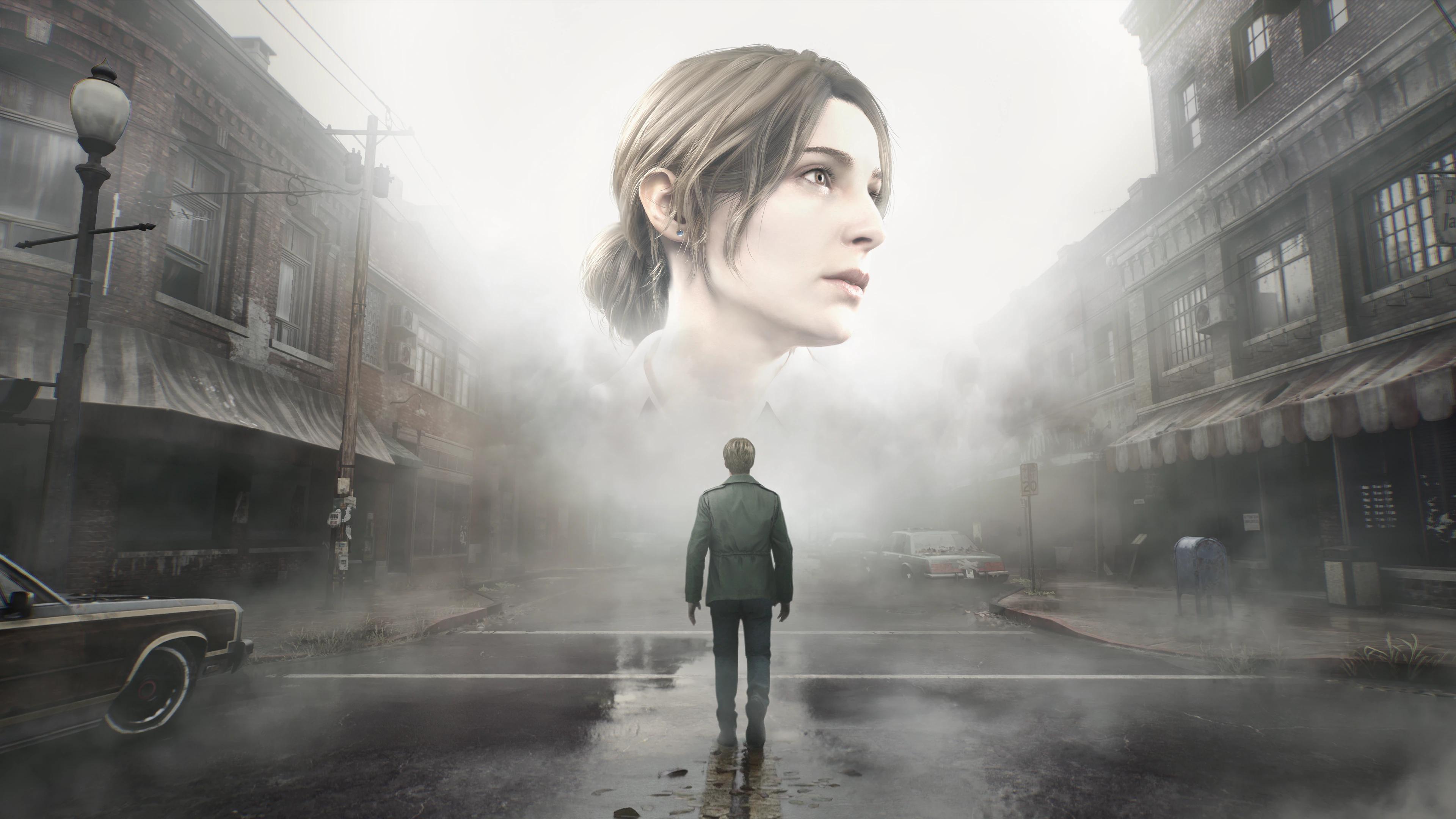
The Brutal Truth: Silent Hill Deserves a Series, Not Another Mutilated Movie
As veteran observers of the gaming and adaptation landscape, we at In Game News have seen this play out countless times. With the recent buzz around the new *Return to Silent Hill* movie, ostensibly based on the hallowed *Silent Hill 2*, we are compelled to deliver a stark warning: A two-hour cinematic cage has consistently proven to be the executioner of nuanced video game narratives. It’s a systemic flaw, and for a franchise as deeply psychological and narratively rich as *Silent Hill*, it’s a non-starter. Our analysis confirms what many long-time players already know: these games demand a limited series to breathe, to truly honor their disturbing lore and character arcs.
The Inherent Flaws of Film Adaptation for Deep Narratives
We believe the problem isn't necessarily a lack of talent or effort, but a fundamental mismatch in format. For games like *Silent Hill 2*, where every note, every environmental detail, and every cryptic encounter meticulously builds a disturbing psychological profile, condensation isn't just a challenge; it's an act of narrative butchery. Consider the following critical issues we consistently identify:
- Runtime Constraints: Even the shortest *Silent Hill* games clock in at well over 10 hours for a first playthrough, often demanding multiple runs (26.5+ hours for completionists of *SH2*'s remake) to grasp the full story. Boiling this down to a maximum of two hours necessitates cutting vital context, character development, and atmosphere – precisely what makes these games resonate.
- Multiple Endings Dilemma: A hallmark of many deep narrative games, and especially *Silent Hill 2*, is the presence of multiple, often morally ambiguous, endings. A movie, by its very nature, must pick one, immediately alienating significant portions of the fanbase who cherish alternative interpretations or preferred outcomes. This isn't merely a fan preference; it’s an intrinsic part of the player's journey and understanding of the protagonist.
- Subtlety vs. Spectacle: *Silent Hill* isn't just about monsters; it's about internal demons, trauma, and a creeping sense of dread. Movies often prioritize jump scares and creature features over the quiet, unnerving psychological horror that truly defines the series. The subtle environmental storytelling and deliberate pacing that build tension over hours are impossible to replicate in a sprint.
We've witnessed similar disappointments across various franchises for decades. The intent may be good, but the format limits artistic fidelity. To expect a truly faithful or even satisfying adaptation under these constraints is, frankly, naive at this point.
The Series Solution: Giving Lore Room to Breathe
Conversely, the gaming world is currently awash with examples of how TV series, particularly limited series, are finally getting it right. This isn't conjecture; it's a proven model that resonates deeply with audiences and the source material alike:
- Proven Success: Look no further than HBO's *The Last of Us*, Amazon's *Fallout*, or Netflix's *Arcane* (based on *League of Legends*). These shows aren't just popular; they're critically acclaimed because they commit to the source material's scope, dedicating multiple hours across several episodes to character arcs, world-building, and intricate plot points.
- Narrative Depth & Detail: A series format allows for the slow burn that *Silent Hill*'s psychological horror demands. It provides the space to explore James Sunderland's descent into madness, the nuanced symbolism of the town, and the full weight of the emotional baggage he carries without feeling rushed or truncated. We believe this is the only way to truly explore the "small details that come together to tell you the full story."
- Addressing Audience Demand: The data doesn't lie. Audiences are flocking to well-produced, game-adjacent series. There's a clear, hungry market for adaptations that respect the source material, even if it means a larger upfront investment and longer production timelines. The pay-off, in terms of viewer engagement and critical reception, is demonstrably higher.
We acknowledge that creating a series is a massive undertaking, demanding significant resources and a longer commitment from all involved. The impact of writers, directors, and showrunners becomes even more pronounced. Yet, the reward for a faithful, well-executed series adaptation of a title like *Silent Hill 2* far outweighs the perceived risks of a rushed, condensed movie. The audience is there, the format is superior, and the precedent has been set.
Our Stance: It's Time for a Paradigm Shift
For the health of our beloved franchises, and frankly, for basic common sense regarding narrative integrity, studios must recognize that not all games are created equal for adaptation. Some, like the monumental *Silent Hill 2*, are epic, psychological odysseys that simply cannot be contained within the traditional cinematic box. We urge decision-makers to learn from past mistakes and current successes. Give these games the room to breathe. Give them the series they deserve. It's the only way to truly honor the masterpieces that have shaped our gaming lives.