
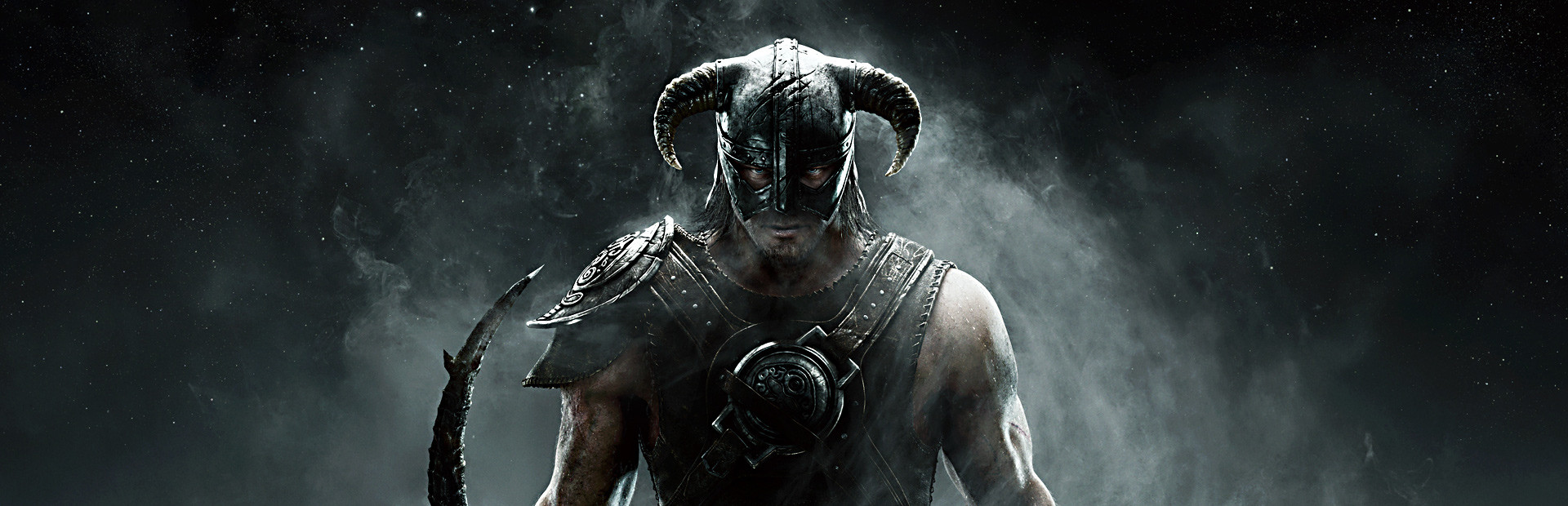
The Bottom Line: Former Skyrim lead designer Bruce Nesmith is currently making the rounds with some controversial takes on Bethesda’s legacy. His biggest regret—the "Dragon Break" lore mechanic used to reconcile Daggerfall’s multiple endings—is actually the exact kind of high-concept weirdness the series has been missing since it pivoted toward the mainstream with Oblivion and Skyrim.
At "In Game News," we’ve followed the evolution of the Elder Scrolls since the 90s. We’ve seen the series go from a niche, hardcore RPG to a global phenomenon. While Nesmith’s design sensibilities helped turn Skyrim into a multi-generational juggernaut, his recent comments suggest a fundamental disconnect with the "deep lore" community that kept the series alive during its lean years. Nesmith recently told PressBoxPR that he regrets the "time splitting thing"—known to fans as the Dragon Break—calling it a lore issue that could have been handled better.
We couldn't disagree more. In fact, we’d argue the Dragon Break is one of the most brilliant narrative "get out of jail free" cards in RPG history.
The Dragon Break: Lazy Writing or Genius Lore?
For those who weren't there in 1996, Daggerfall ended with players choosing between several factions to control the Numidium, a giant brass god. It was impossible to pick a "canon" ending without alienating players. Bethesda’s solution? The Warp in the West. They established that time literally shattered, and every ending happened simultaneously.
Our analysis suggests that this "unreliable narrator" approach is precisely what gives Tamriel its texture. Most modern RPGs try to "clean up" their world-building to make it accessible for the Starfield crowd. But the Elder Scrolls was at its peak when it was unashamedly weird. When you start worrying about "lore issues" and consistency, you lose the magic of 100-foot-tall brass gods and metaphysical time-fractures.
Key Lore Conflicts: Nesmith vs. The Community
| Topic | Nesmith's Position | The Hardcore Perspective |
|---|---|---|
| The Dragon Break | A "regret" that created messy lore. | A brilliant way to preserve player agency. |
| Morrowind Today | Claims it makes players "cringe." | Regarded as the high-water mark for atmosphere. |
| Sci-Fi Elements | "Dangerous" to mix with fantasy. | The Dwemer/Clockwork City are the best parts of the IP. |
The "Cringe" Factor and the Modern RPG Paradox
Nesmith’s most polarizing claim is that modern players would "cringe" at Morrowind. This highlights a recurring trend we’ve seen in Bethesda’s design philosophy over the last decade: a fear of friction. We’ve seen the studio move away from complex systems in favor of "streamlined" (read: simplified) gameplay.
However, the industry is shifting. The massive success of Baldur’s Gate 3 and Elden Ring proves that players don't want their hands held. They want depth, they want challenge, and they want a world that feels alien and strange. Calling Morrowind "cringe" because it doesn't play like a modern action-adventure game ignores the fact that its systems—dice-roll combat and all—were part of a specific, high-crunch RPG identity that Bethesda has largely abandoned.
What This Means for The Elder Scrolls 6
If Nesmith’s views reflect the internal sentiment at Bethesda during his tenure, it explains a lot about the safe, "fantasy-lite" direction of Skyrim. Our concern is that if The Elder Scrolls 6 continues to shy away from "dangerous" ideas like sci-fi/fantasy blends or complex metaphysical lore, it risks being another polished but ultimately hollow experience.
Our Take: Bethesda shouldn't be running away from the Dragon Break—they should be leaning into it. Give us the Daedric realms, give us the weirdness of the 36 Lessons of Vivec, and don't be afraid to let the lore get "messy." If the studio spends all its time trying to avoid "cringe," they’ll end up with a game that has no soul left to mock.
- The Opportunity: TES 6 could reclaim the "weird fantasy" throne if it ignores the impulse to sanitize the setting.
- The Risk: Over-correcting for "consistency" will lead to a generic world that fails to stand out in a post-Larian RPG market.
- The Veteran Verdict: We'd take a broken Dragon Break over a boring, stable timeline any day of the week.