
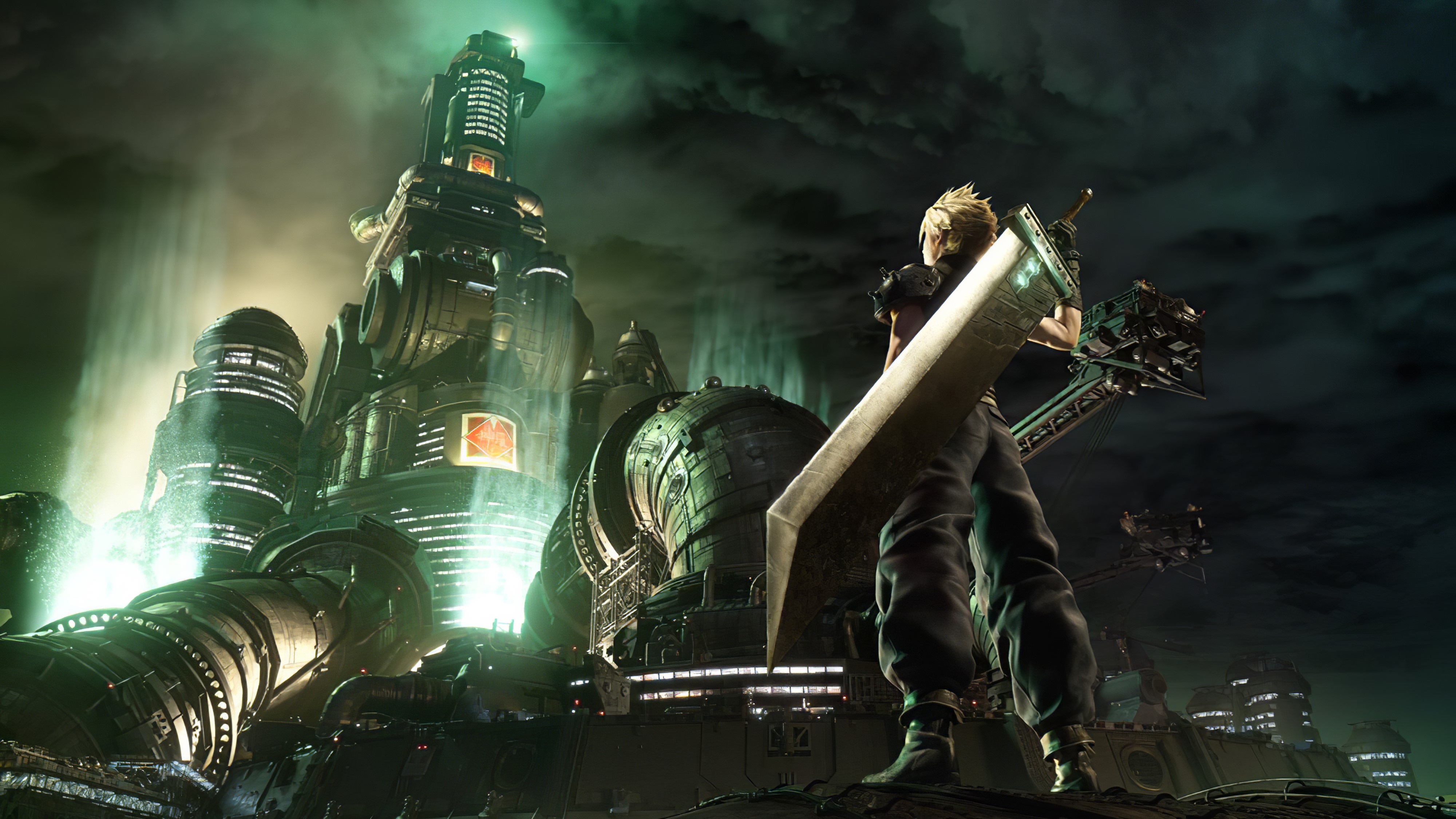
- The End of the Cartridge Bottleneck: Standard 64GB cartridges are officially too slow and too small for the Final Fantasy VII trilogy.
- Speed is King: The Switch 2’s internal storage (SSD/UFS) reads data roughly 2x faster than direct cartridge playback.
- The "Game-Key Card" Solution: To maintain high-fidelity graphics and seamless data swapping, the Remake uses a "Key Card" format to leverage internal high-speed storage.
- Third Entry Confirmed: Development of the final game in the trilogy is aiming for the same massive scale as FFVII Rebirth on the new hardware.
The Storage Revolution: Why Cartridges Couldn’t Cut It
We’ve been tracking the rumors about the Switch 2’s media format for months, but Director Naoki Hamaguchi just dropped the technical hammer. In a recent talk with Automaton, Hamaguchi didn't sugarcoat the reality: the traditional 64GB cartridge is a relic that would have choked Final Fantasy VII Remake. We’re looking at a game that doesn't just load once at the start; it’s constantly swapping assets in the background.
According to Hamaguchi, the performance gap is "roughly double" when comparing internal SSD/UFS speeds to direct cartridge reads. Attempting to run a game of this caliber off a standard cart would have been a recipe for "stress for the player" and a compromised experience. By opting for the "Game-Key Card" format, Square Enix is essentially using the physical media as a license to unlock the full power of the Switch 2’s internal high-speed storage.
Engineering for the Future: No More Design Constraints
One of our biggest fears with Nintendo ports has always been the "Switch Tax"—not just in price, but in hardware-mandated nerfs to game design. Hamaguchi addressed this head-on, noting that multiplatform development often forces devs to scale back their vision. However, the Switch 2’s jump to high-speed storage changes the math.
Breaking Down the Key Card Controversy
The "Game-Key Card" format is already stirring up the community, but from a tech perspective, our take is clear: it's a necessary evil. If we want the full Rebirth experience on a handheld, we have to move away from "play-off-the-cart" limitations. Hamaguchi highlighted that this format is precisely what makes the port possible, stating that in the past, Nintendo systems were skipped simply because the load speeds couldn't support the engine's requirements.
What This Means for the Final Chapter
The most exciting part of this report isn't just about the Remake port—it’s the roadmap for the future. Hamaguchi confirmed that work is proceeding on the third game in the trilogy with a clear goal: delivering a "large-scale experience" that matches Final Fantasy VII Rebirth.
The fact that Square Enix is now confident in Nintendo’s hardware performance is a massive win for the ecosystem. We’re finally seeing a Nintendo console that doesn’t require developers to rebuild their games from the ground up just to make them run. For those looking to "double dip" for the sake of portability, the Switch 2 is shaping up to be the powerhouse we've been waiting for.