
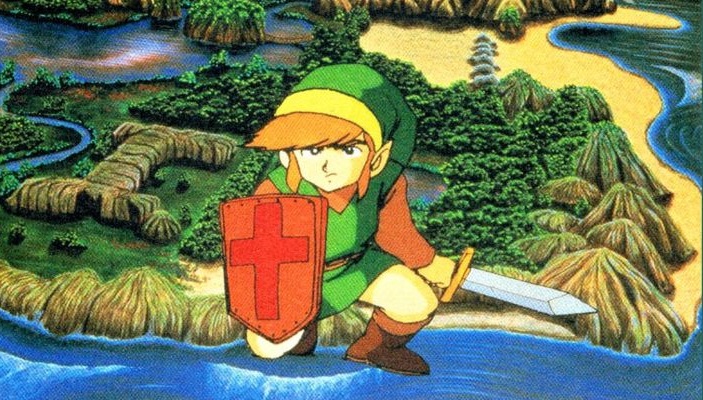
- Milestone: The Legend of Zelda franchise celebrates its 40th anniversary (1986–2026).
- Scale: 21 mainline entries and over 40 total titles including spin-offs.
- Technical Firsts: Introduced the battery-backed save feature and industry-standard Z-targeting.
- Modern Impact: Breath of the Wild and Tears of the Kingdom redefined open-world agency by returning to the series' 1986 roots.
Forty Years of Hyrule: The Industry’s North Star
As we hit February 2026, the industry isn't just celebrating a birthday; it’s honoring the blueprint for modern gaming. For four decades, The Legend of Zelda has acted as the heartbeat of the medium. We aren't just talking about nostalgia—we’re talking about a franchise that has consistently outthought the competition, favoring creative mechanical depth over raw processing power. Whether you’re a veteran who remembers the gold NES cartridge or a newcomer who started with the Switch, the ripples of Link’s influence are unavoidable.
The 1986 Revolution: Freedom and Friction
Back in 1987 (and '86 on the Famicom), gaming was defined by high scores and rigid, linear progression. Nintendo flipped the script. By dropping players into a massive map with zero hand-holding, they pioneered what we now call "player agency."
The "Save" That Changed Everything
Our take? The original Zelda's most underrated technical contribution was the save feature. Before this, players were shackled to clunky password systems or forced to finish games in one sitting. It was a literal godsend that allowed for the depth and "marathon" gameplay sessions we now take for granted in every modern RPG and adventure title.
Ocarina of Time and the 3D Crisis
When the industry transitioned to 3D, most developers were failing the "camera test." Then came Ocarina of Time. It didn't just give us a 3D world; it gave us the Z-targeting system. This fixed the industry-wide 3D camera crisis overnight.
By implementing context-sensitive buttons and removing a dedicated jump command, Nintendo created a fluid, intuitive experience that remains a gold standard. If you’re playing a 3D action game today and it feels responsive, you can thank the Nintendo 64's "Hero of Time." It’s a mechanic that feels like a necessity now—if it’s missing, the gameplay feels broken.
Risks, Reinvention, and the Modern Meta
The franchise's ability to pivot is unmatched. We’ve seen Nintendo take massive swings that would have killed lesser IPs:
- The Wind Waker: Opted for a "cartoon" aesthetic when the industry was obsessed with realistic textures.
- Majora’s Mask: Introduced a dark, psychological time-loop with complex NPC schedules.
- Breath of the Wild/Tears of the Kingdom: Scrapped the traditional dungeon-to-dungeon loop to return to the raw, unguided essence of the 1986 original.
These recent titles didn't just follow open-world trends—they set the new reference point for the entire genre. By giving players total mechanical freedom, Nintendo proved that 40 years in, they still know how to subvert expectations.
The Future of the Legend
Standing here in 2026, looking back at 40 years of courage, wisdom, and power, the path forward is wide open. From the shared trauma of the Water Temple to the debates over a live-action movie, Zelda has transcended being "just a game." It is a cultural pillar. We don't know what the next evolution looks like, but if the last four decades are any indication, it’ll be the new benchmark for the rest of the industry to chase.