
Top Anti-Hero Action Games to Play: Embrace the Dark Side (2026)
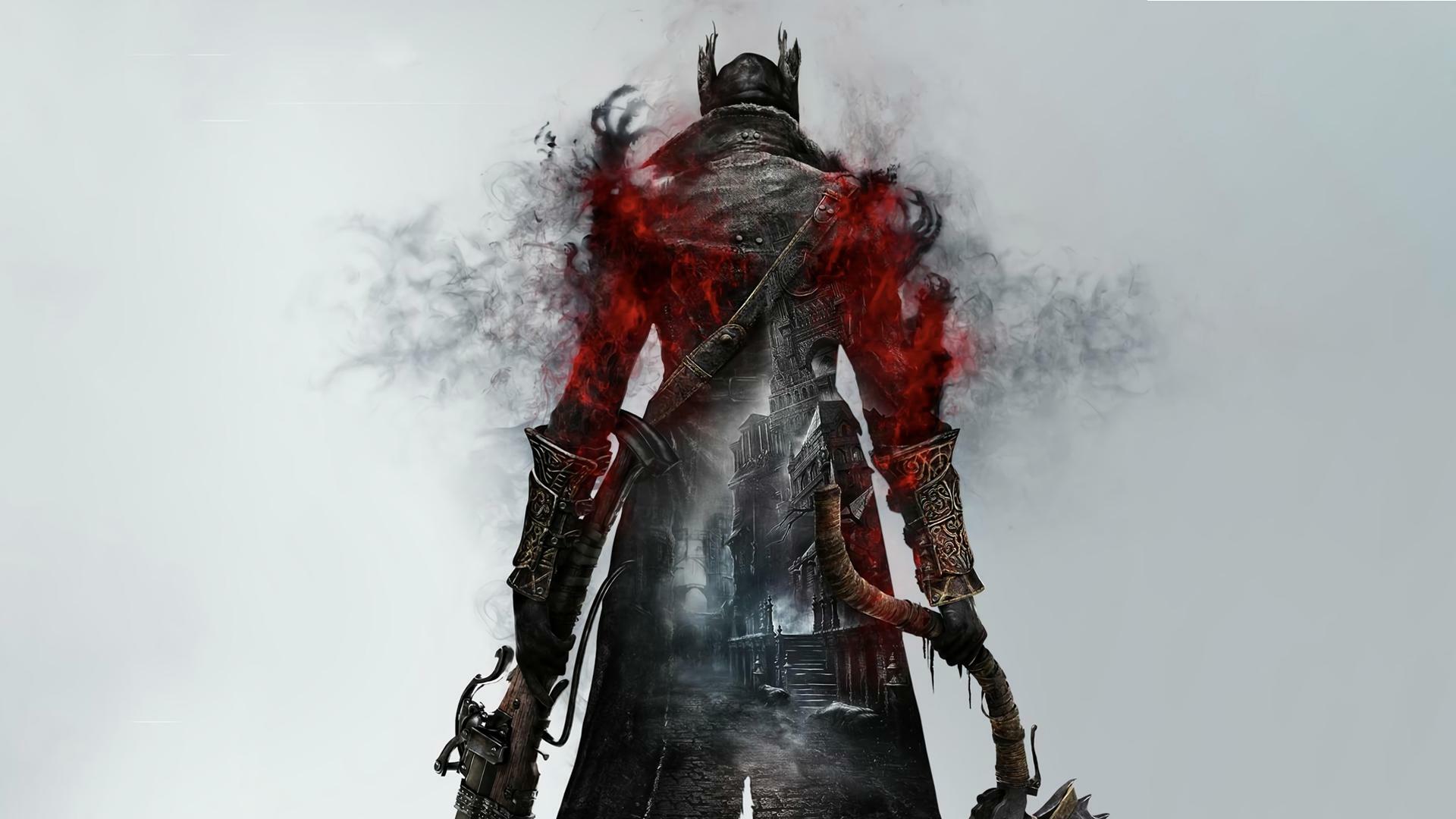
- Moral Ambiguity Wins: Action games are increasingly moving away from the "white knight" trope to explore the dissonance between violent gameplay and narrative justification.
- Revenge as a Driver: Personal vendettas (Max Payne, James Heller, Gabriel Belmont) remain the primary catalyst for anti-heroic behavior in the genre.
- Survival Over Ethics: Titles like The Last of Us show how post-apocalyptic settings force characters to sacrifice humanity for survival.
- Self-Interest Narratives: Games like Assassin’s Creed IV and Thief prove that protagonists don't need a heart of gold to be compelling; sometimes, loot and ego are enough.
Let’s be real: most action games suffer from a massive case of ludonarrative dissonance. You spend dozens of hours dismembering every living thing in your path, only for the cutscenes to tell you that you’re the shining beacon of hope for humanity. It’s a tired formula that often misses the mark. However, some of the most iconic titles in our medium actually lean into this reality. Instead of making excuses for the carnage, they embrace the "anti-hero" tag, giving us characters who are messy, selfish, and frequently outright dangerous.
Action games often suffer from a dissonance between gameplay and story, as they usually portray you as the hero despite you dismembering all kinds of living beings. However, some titles become aware of this reality, narratively explaining their reasons for doing so.
In our take, these stories are far more engaging because they force us to reflect on the violence we’re dishing out. If you're tired of playing the generic savior, here are the heavy hitters where the line between "good guy" and "villain" is thinner than a speedrunner’s margin for error.
10. Prototype 2: The Lesser of Two Evils
The Brutal Path of James Heller
The Prototype franchise has always been one of the most visceral open-world experiences out there. While the first game gave us Alex Mercer—who eventually goes full-blown maniac—Prototype 2 puts us in the boots of James Heller. Heller is a former marine driven by a singular, selfish goal: revenge for his family’s death. While he might look like a saint compared to Mercer’s god-complex, let’s not kid ourselves. Heller commits absolute atrocities to get what he wants. He’s antisocial, cynical, and treats the city like his personal firing range. In any other game, he’d be the big bad, but here, he’s just the "lesser evil" we happen to be controlling.
9. Castlevania: Lords of Shadow 2
A Fall from Grace to Dracula
We all remember Gabriel Belmont as the agent of light, but Lords of Shadow 2 flips the script by turning him into Dracula himself. It’s a tragic arc, but Gabriel’s thirst for revenge and his drive to wipe out Satan aren’t exactly "heroic" traits in the traditional sense. He’s fighting for the greater good, sure, but he’s doing it with a darkness that makes him the most malevolent version of a Belmont we’ve ever seen. Playing as the Prince of Darkness allows the game to lean into a power fantasy that’s unapologetically grim.
8. Assassin’s Creed IV: Black Flag
Piracy Over Principles
Before Edward Kenway eventually stumbled into the Assassin Brotherhood, he was just a man looking to get paid. Unlike the stoic Ezio or the duty-bound Altaïr, Kenway is a pirate in every sense. He’s driven by ego and ambition, and his involvement with the Assassins is more of a happy accident than a noble calling. For the bulk of the runtime, he’s committing acts that are ethically dubious at best, prioritizing his own pockets over the "creed." Even as he aligns with the Brotherhood later on, that unholy capacity for self-serving violence never quite leaves him.
7. Thief: The Dark Project
Loot is the Only Religion
Garrett isn’t your typical action star. As a Master Thief, he doesn’t care about saving the world; he cares about the score. While he usually tries to avoid civilian casualties, that’s not because he’s a "nice guy"—it’s because killing is messy and impractical. He is a character defined by practicality rather than morality. Occasionally, he ends up stopping an ancient evil or a satanic cult, but it’s usually because they’re getting in the way of his next big haul. He’s a savior by circumstance, not by choice.
6. Max Payne
A Personal Vendetta Fueled by Vice
Max Payne is the poster child for the "revenge at all costs" archetype. While he started as a detective looking for justice, his inner demons—alcoholism, guilt, and a genuine thirst for violence—turned him into something else. Max’s methods are reckless, and he constantly puts innocent lives at risk during his one-man war against the mob. He’s seeking closure, not peace, and the way he burns through pills and ammo to get it makes him one of the most grounded, yet terrifying, anti-heroes in the genre.
5. Metal Gear Rising: Revengeance
Jack the Ripper Returns
Raiden’s journey from a child soldier to a cyborg ninja is one of the most violent arcs in gaming. In Revengeance, we see him finally stop pretending he’s just a "soldier of justice." Raiden admits he has a bloodlust that he can’t ignore. While he fights for principles, his profession is murder, and he does it in the most gruesome ways possible. He eventually comes to terms with his violent nature, but the path he takes to get there is littered with high-frequency blade scraps and questionable moral choices. It’s high-octane, stylish, and completely unhinged.
4. The Last of Us
The Cost of Survival
Joel Miller is perhaps the most nuanced example of the anti-hero. In the post-apocalypse, the social contract is dead, and Joel buried his humanity along with it. He isn’t motivated by revenge or glory; he’s motivated by a selfish desire to protect Ellie as a surrogate for what he lost. To do that, he becomes an indiscriminate killing machine. By the end of the journey, Joel chooses his own emotional needs over the potential salvation of the entire human race. It’s a move that makes him incredibly relatable, but also undeniably "anti-heroic" in its execution.
3. Red Dead Redemption
Running from the Past
John Marston is a man trying to buy back his soul with lead. The tragedy of Red Dead Redemption is that you’re playing a character who knows he isn’t a good man. He’s an outlaw being used as a tool by the government, forced to hunt down his former brothers-in-arms. Every act of "good" he performs is done with a gun to his head, and his past as a cold-blooded killer is a shadow he can never quite outrun. It’s a gritty look at how the West was won—not by heroes, but by men who were simply better at killing than their enemies.
Frequently Asked Questions
- What defines an anti-hero in action games?
- Anti-heroes in action games often feature moral ambiguity, dissonance between violent gameplay and narrative justification, and motivations like revenge, survival, or self-interest, rather than pure good.
- How do games like The Last of Us explore survival over ethics?
- Titles like The Last of Us demonstrate how post-apocalyptic environments force characters to make morally compromising decisions and sacrifice humanity for the sole purpose of survival.
- Which games mentioned use revenge as a primary motivator for their anti-heroes?
- Games such as Max Payne, those featuring James Heller, and titles with Gabriel Belmont are highlighted as examples where personal vendettas drive their protagonists' anti-heroic actions.
- Can games with self-interested protagonists still be compelling?
- Yes, games like Assassin’s Creed IV and Thief prove that protagonists don't need a heart of gold; self-interest, a desire for loot, or ego can be compelling drivers for anti-hero narratives.