
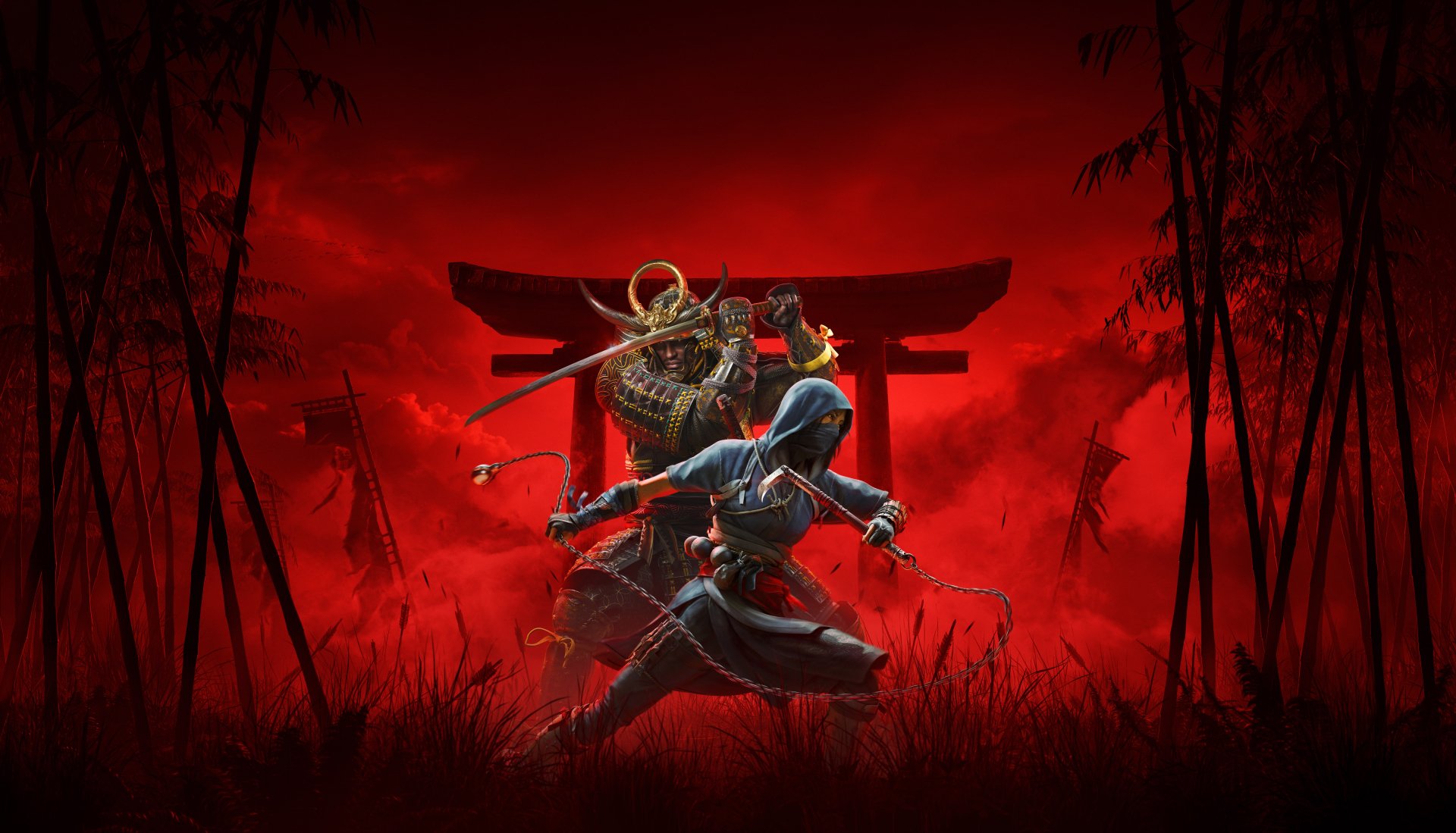
Ubisoft’s RTO Mandate Claims a High-Profile Casualty: The Cost of a Culture War
The Bottom Line Up Front: Ubisoft has officially terminated David Michaud-Cromp, a Lead on the Assassin’s Creed Shadows team, following his public criticism of the company's mandatory five-day return-to-office (RTO) policy. This move marks a dangerous escalation in the friction between Ubisoft leadership and its global workforce, signaling a "comply or exit" ultimatum that could severely impact the stability of upcoming flagship titles.
A Familiar Pattern of Mismanagement
We’ve seen this script play out before at legacy studios, but rarely with this much collateral damage. Ubisoft’s current trajectory feels less like a strategic pivot and more like a desperate attempt to regain control over a narrative that has been slipping since their recent string of cancellations and "voluntary" redundancies. By axing a veteran lead from the Assassin's Creed franchise—the very spine of the company’s revenue—Ubisoft is effectively prioritizing office attendance over development continuity.
Our analysis suggests this isn't just a HR dispute; it’s a culture war. Michaud-Cromp’s dismissal follows his LinkedIn post criticizing the mandate, which he argued ignores the "fundamentals" of modern game dev: clarity of goals, trust, and proper tooling. Ubisoft hides behind "Code of Conduct" violations, but the timing is far too convenient to be anything other than a warning shot to the rest of the staff.
The State of Play: Ubisoft vs. The Workforce
The situation inside Ubisoft’s French offices has reached a boiling point. We’ve broken down the key friction points currently destabilizing the studio:
| The Policy Change | The Workforce Reaction | The Critical Fallout |
|---|---|---|
| Mandatory 5-day in-office return. | Unions (Solidaires Informatique) calling for strikes. | Loss of veteran talent who moved during the pandemic. |
| Strict "Code of Conduct" enforcement on social media. | Public calls for CEO Yves Guillemot to resign. | Total breakdown of trust between management and devs. |
| Annual WFH "allowance" rather than flexibility. | Claims of "betrayal" from long-term employees. | High risk of delays for AC Shadows and future projects. |
Why This Matters for the Games
When you "nerf" your employees' morale, the product suffers. We’ve watched high-profile departures gut projects at other studios (think back to the exodus at BioWare or the restructuring at Bungie). In the game industry, institutional knowledge is the most valuable resource. Losing a Lead like Michaud-Cromp in the middle of a cycle for a game as massive as Assassin's Creed Shadows is a massive debuff to the team's efficiency.
Michaud-Cromp hit the nail on the head: proximity doesn't equal productivity. Nailing the "fundamentals" like documentation and communication practices is what ships games—not forced 9-to-5 desk time. If Ubisoft continues to prioritize physical presence over the mental well-being and flexibility of its staff, we expect to see more delays and a continued decline in polish for their major releases.
The Endgame: Is Guillemot’s Time Up?
The rhetoric from union representatives like Marc Rutschlé and Chakib Mataoui is unprecedented. When staff members are publicly calling for the CEO to "move on" to rebuild trust, the studio is in a state of emergency. We believe Ubisoft is at a tipping point. They can either lean into the remote-first reality that has empowered indie and mid-sized studios to outpace them, or they can double down on this 2010-era management style and watch their top-tier talent walk out the door to competitors like Remedy or Larian.
- Talent Drain: Competitors are likely already headhunting disgruntled Ubisoft veterans.
- Project Risk: Assassin’s Creed Shadows is now under a microscope for more than just its gameplay.
- Moral Deficit: The "betrayal" felt by staff will make future recruitment significantly harder.
In our view, firing a lead for speaking the truth about remote work isn't "maintaining conduct"—it's a massive tactical error that will haunt Ubisoft’s pipeline for years.