


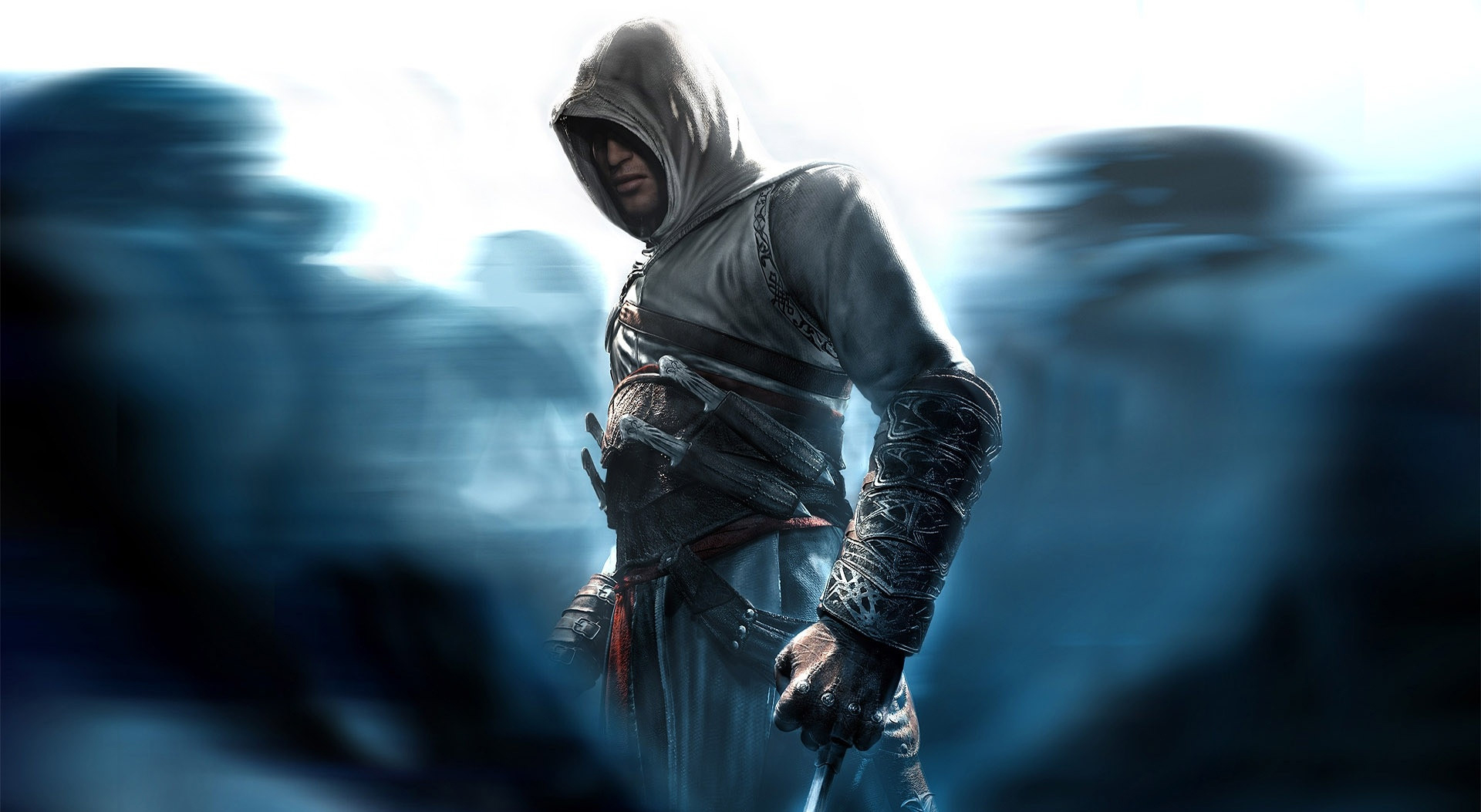
Alright, folks, let's cut through the marketing speak and get down to brass tacks on what's really happening over at Ubisoft. Our team at In Game News has been poring over the latest pronouncements from CEO Yves Guillemot, and while some of it sounds like business as usual, there are some eyebrow-raising details veteran gamers and industry watchers need to be aware of.
Key Takeaways from Ubisoft's Strategic Shift
- Ubisoft confirms a pipeline of new *Assassin's Creed* and *Far Cry* titles, alongside several undisclosed original projects.
- A significant €200 million fixed-cost reduction is underway, involving game cancellations, two studio closures, and "selective restructuring" including potential layoffs.
- The company is reorganizing into "creative houses" with defined accountability and autonomy, aiming for a more "focused, agile" structure.
- Yves Guillemot's son, Charlie Guillemot, has been appointed co-CEO of Vantage Studios—the house for "billionaire brands" like *Assassin's Creed* and *Far Cry*—raising significant nepotism concerns due to his prior experience with mobile spin-offs and blockchain ventures rather than AAA development.
- Ubisoft invokes its "family company" heritage to justify leadership choices and a long-term view, despite recent missteps like over-expansion post-Covid and investments in "snakeoil" ventures.
- Vantage Studios has secured funding from Tencent, with assurances of Ubisoft's operational autonomy.
- The company continues to face shareholder scrutiny and has a persistent struggle with its workplace culture, further complicated by recent worker strikes in France.
Ubisoft's Strategic Overhaul: The Good, The Bad, and The Questionable
Ubisoft CEO Yves Guillemot recently sat down for what sounds like a very... *rehearsed* chat with Variety, confirming a robust pipeline of new *Assassin's Creed* and *Far Cry* games. Always good to hear more flagship titles are on the way, alongside those intriguing, unannounced original projects. From a gamer's perspective, more content from these iconic franchises is usually a win, but the devil, as always, is in the details.
Underneath the promise of new games, Ubisoft is undergoing a pretty seismic internal shift. The publisher is aiming to slash fixed costs by a whopping €200 million. This isn't just a minor trim; we've already seen several games get the axe and two studios shuttered. Guillemot himself framed it as "selective restructuring across the company," emphasizing "disciplined workforce management," prioritizing "voluntary departures," and "carefully controlling recruitment." It sounds like they're trying to soften the blow, but let's be real: when companies talk about "optimizing the business," "reducing certain expenses," and "adjusting or stopping projects," it often means more layoffs are coming down the pipeline.
Guillemot acknowledged that the post-Covid boom led to over-expansion and "too many projects and increased complexity." Our take? It’s a classic case of chasing the hype train, then having to slam the brakes. Now, the priority is to "build a more focused, agile company, with stronger teams that strike the right balance between senior expertise and young talent and who are well positioned to deliver the highest quality games." Noble goals, but the path to achieving them raises some serious questions.
The "Creative Houses" Vision and the Elephant in the Room
Part of this grand transformation involves creating "creative houses" that will "operate like dedicated business units with clear accountability for performance and genuine creative autonomy." On paper, this sounds like a potentially solid move to decentralize and empower development teams. However, the rollout has hit a significant snag, and it's something we can't ignore.
Vantage Studios and the Nepotism Question
Vantage Studios is one of these new houses, set to handle Ubisoft's "billionaire brands" like *Assassin's Creed*, *Far Cry*, and *Rainbow Six*. Its co-CEO appointments are, frankly, baffling to us veteran observers. On one hand, you have Christophe Derennes, a strong choice, formerly the general manager of Ubisoft Montréal, who oversaw the original *Assassin's Creed*, *Far Cry 2*, and several *Rainbow Six* titles. He brings serious pedigree to the table.
On the other hand, we have Charlie Guillemot, Yves's son. While he has some executive experience, primarily with free-to-play specialists Owlient (known for a failed Tom Clancy mobile spin-off) and co-founding an AI/web3/blockchain studio, he has no public credits on any of these "billionaire brands." The appointment of someone with such a disconnected resume to co-helm some of Ubisoft's most critical franchises, amidst company-wide cost-cutting and "disciplined workforce management," feels, to put it mildly, tone-deaf and frankly, a bit "risible."
When pressed on the pervasive allegations of nepotism, Yves Guillemot trotted out the "family company" defense: "Ubisoft was created as a family company, and our strong heritage helps us take a long-term view, prioritizing sustainable growth, creative ambition, and continuity over short-term cycles." He insists Charlie's appointment, alongside Christophe, was "based on their skills, track record, and fit for the role." We're calling BS on that one. The "long-term view" argument doesn't quite gel with their previous admission of over-expansion during the Covid boom, nor does it sit well with their repeated fumbles into NFTs and other flavors of what we would describe as digital "snake oil." It certainly doesn't scream "skills and track record" for managing the future of *Assassin's Creed*.
Financial Pressures, Tencent, and Workforce Unrest
This internal shake-up comes amidst ongoing pressure. Ubisoft has weathered shareholder revolts over falling stock prices, and the Guillemot leadership has faced serious accusations regarding a problematic "boy's club" workplace culture, leading to actual criminal convictions. We suspect part of the "creative houses" move is to decentralize the founding fathers and attempt to detoxify the Ubisoft brand. But appointing the boss's son to a critical leadership role in this context? That's not exactly convincing the rank-and-file, especially when 1200 French Ubisoft workers went on strike earlier this month in response to these very changes and associated return-to-office policies.
On the financial front, Vantage Studios is getting funding from Tencent, which is significant. However, Guillemot assures us that Tencent "respect our operational autonomy and are not involved in our governance or day-to-day management." We'll keep an eye on that. But for now, the real question remains: can Ubisoft truly become the "focused, agile company" it claims to be, or will these internal conflicts and questionable leadership decisions continue to hobble their efforts to deliver the "highest quality games" we all want to play?