
- The News: Ubisoft Toronto has laid off approximately 40 employees, roughly 8% of the studio.
- The Reason: A company-wide restructuring to cut €200 million in fixed costs over the next two years.
- The Impact: While the Splinter Cell remake is still in development, the studio is being shifted toward more "codev mandates" and service roles.
- The Fallout: Employee strikes are mounting in response to layoffs and a restrictive new Return-To-Office (RTO) policy.
Ubisoft Toronto Faces the Axe
The industry-wide wave of "right-sizing" has finally breached the doors of Ubisoft Toronto. We’ve confirmed that 40 developers—about 8% of the studio’s talent—have been shown the door. This move isn't an isolated incident; it’s part of a massive €200 million cost-cutting mission fueled by a heavy injection of Tencent funding.
Ubisoft’s official line is the usual corporate script. A spokesperson told MobileSyrup that "this decision was not taken lightly and does not in any way reflect the talent, dedication, or contributions of the individuals affected." While the company promises severance and "career placement assistance," the reality for those on the ground is far less polished. This follows a broader trend of Ubisoft trimming its global headcount, including proposals to lay off up to 200 staff in Paris.
Sam Fisher’s Precarious Future
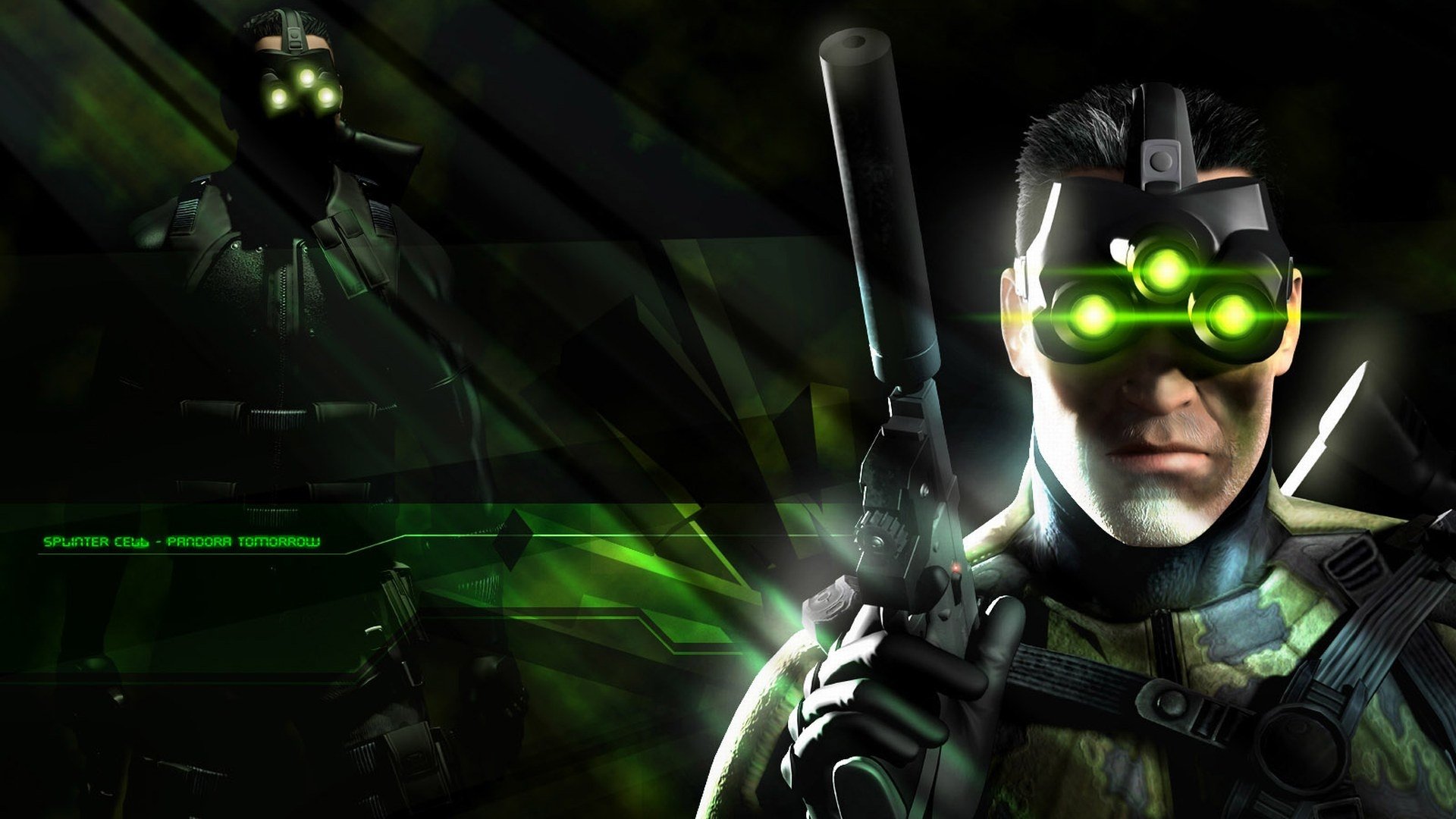
For those of us waiting for the Splinter Cell remake, the news is a bit of a mixed bag. According to an internal email, Ubisoft bigwigs claim Toronto will remain a "key contributor" to several projects and service teams, while continuing work on Sam Fisher’s return. However, there’s a catch that should worry any veteran stealth fan: management has identified three "billionaire brands" as their flagship focus, and Splinter Cell didn't make the cut.
The "Billionaire Brand" Risk
Because Splinter Cell isn't sitting at the top of the internal hierarchy, we believe it remains at higher risk of being sidelined or caught in the crossfire of future budget cuts. We’ve seen very little of the project since it was announced as a Snowdrop engine title back in 2021. While Ubisoft hasn't pulled the plug yet—and they’re still clinging to the "vapourware" status of Beyond Good and Evil 2—the shift toward Toronto becoming a "codev" support hub suggests the studio’s identity is being diluted.
Restructuring Meets Resistance
The restructuring that began in January has already claimed six canceled games and seven delays. Beyond the layoffs, Ubisoft is tightening the leash on the developers who remain. A new RTO policy has scrapped proper hybrid working in favor of a yearly "home day" allowance, a move that has predictably backfired.
We’re seeing hundreds of workers take to the picket lines. The combination of job insecurity and the removal of flexible work has provoked a level of internal friction that Ubisoft hasn't seen in years. When you pair €200 million in forced savings with a workforce that feels undervalued, the "robotic platitudes" from leadership aren't going to fix the culture. Our take? Sam Fisher might be able to hide in the dark, but there's nowhere for Ubisoft management to hide from the fallout of these decisions.