
EA Announces Sims 4 Paid Mods: Low Creator Payouts Revealed
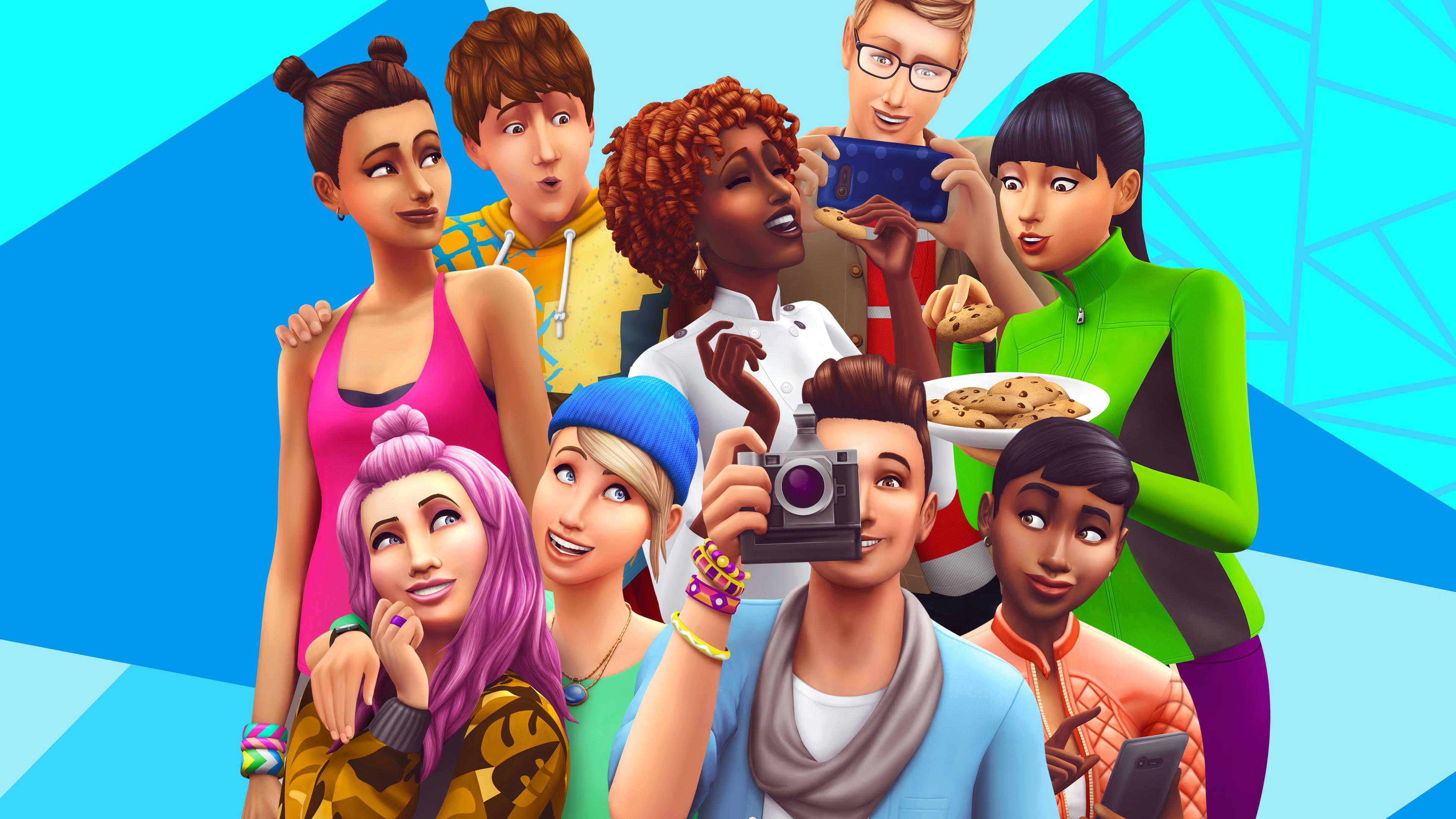
- EA has officially launched The Sims 4 Marketplace, an in-game platform for selling custom content.
- Modders can join the 'Maker program' to publish officially approved items and packs for real money.
- Creators are set to receive approximately 30% of their pack sales, equating to 30 cents USD for every 100 Moola spent.
- This 30% cut is notably lower than what some other major platforms offer, such as Fortnite (100% initially, dropping to 50% in 2027) and Roblox (70-90% for in-experience sales).
- The Marketplace utilizes a new virtual currency, Moola, which can only be purchased with real money and cannot be earned through gameplay.
- EA justifies the lower payout by covering all publishing costs, including platform fees, taxes, server costs, and by reinvesting in the Maker community.
- The Sims 4 Marketplace goes live on March 17 for PC and Mac, with a console rollout planned for the following months.
The digital storefronts of our favorite games are always evolving, but few changes land with the potential impact of a new official marketplace for user-generated content. For The Sims 4 community, that day is here. EA has officially unveiled The Sims 4 Marketplace, a dedicated in-game platform intended to support custom content creators and streamline discovery for players. On paper, it sounds like a dream: official recognition, a steady income stream for dedicated modders, and curated content for the player base. However, our initial dive into the specifics reveals a rather glaring issue that threatens to sour what could have been a truly game-changing addition: the compensation model for creators feels decidedly stingy.
The Sims 4 Marketplace: A New Home for Custom Content
EA describes The Sims 4 Marketplace as an initiative "designed to support custom content creators and help more players discover their work." The premise is simple enough: custom content creators can sign up for the 'Maker program,' and if approved, they can publish their officially sanctioned items and packs directly to the store. Players can then purchase these creations using a new virtual currency called Moola. This isn't meant to replace the vibrant ecosystem of traditional free mods, which will continue to exist, but rather to offer an official avenue for paid content. Kits, which players are already familiar with, will also find their new home here.
Moola: The New Currency on the Block
To engage with the Marketplace, players will need to acquire Moola. This virtual currency is strictly a paid-for commodity, available in various increments from 200 Moola for $2.49 up to 5,500 Moola for $49.99. Crucially, there's no way to earn Moola by simply playing the game. While Maker packs are the primary focus, Moola will also be usable for purchasing larger Sims 4 DLC like expansion, game, and stuff packs. However, these larger packs will still be sold through existing external storefronts such as Steam and the Epic Games Store, offering players some flexibility.
For creators looking to join the 'Maker program,' the requirements are straightforward: applicants must be 18 or older, proficient in English, and undergo a 'technical evaluation' by submitting two samples of their work. Approved Maker packs can range from "anywhere from three to 50 assets," with the price determined by the creator. Compatibility is a key concern, as all content must "be created using supported stencils to ensure compatibility," and naturally, must adhere to the standard Sims age rating and avoid infringing on third-party intellectual property. EA emphasizes its support for "the creative freedom of all Makers" and assures that all submitted packs will be human-reviewed.
The Core Problem: Makers Aren't Getting Their Fair Share
Here’s where our excitement takes a sharp downturn. The compensation structure for Makers, as detailed by EA, is concerning. When someone purchases a pack, the creator's take-home pay is, well, meager. EA states:
Makers take home approximately 30% of the Moola from their pack sales. That means for every 100 Moola someone spends on their content, they earn 30 cents USD.
In our view, this figure is disappointingly low. While we don't have access to EA's internal backend numbers, a 30% cut for content creators falls significantly short when compared to what many other platforms with similar features are offering. It feels like a missed opportunity to truly empower the modding community that has kept The Sims 4 alive and thriving for years.
A Look at the Competition: How Other Platforms Pay Up
To put EA's 30% cut into perspective, we only need to glance at some of the industry's other major players in the user-generated content space:
-
Fortnite's Creator Model: A High Bar
Epic Games, with its recently introduced in-island purchases in Fortnite, initially set a remarkably high standard. Creators are currently receiving a whopping 100% of their V-Bucks value, though this is slated to drop to 50% in 2027. Even at 50%, that's a substantial improvement over EA's offering, demonstrating a clear commitment to creator remuneration.
-
Roblox's Mixed Bag: Criticism and Opportunity
The Roblox Marketplace offers a similar 30% cut for some transactions, a figure that has faced long-standing criticism from its community. However, Roblox also provides a more generous model for in-experience sales, where creators can net 70% of Robux purchases, and "up to 90%" for real-money transactions. This two-tiered system shows that higher payouts are not only feasible but are actively implemented in a thriving creator economy.
-
Minecraft's "More Than Half" Approach
While Minecraft's explicit split isn't publicly detailed, Aaron Buckeley, head of their Creator Marketplace, has stated that creators receive "more than half" of what remains after platform-holder cuts. This again highlights that a majority share for creators is achievable and, frankly, expected in today's gaming ecosystem.
When stacked against these industry titans, EA's 30% feels particularly lackluster. It's difficult to shake the feeling that this model prioritizes profit margins over genuinely supporting the creative individuals who invest countless hours into enhancing the game.
EA's Justification: Covering Costs and Reinvestment
EA has provided an explanation for this seemingly low figure. They state:
The Sims is covering all costs and fees associated with publishing, including overhead costs such as platform fees, VAT taxes, server costs, and other transactional expenses, which may vary by platform. In addition to covering the publishing fees, The Sims reinvests in the Maker community, supporting Makers, improving tools and resources available to them, funding human-led quality verification, [and] ensuring that every Maker pack is translated into all 18 supported languages.
We understand that publishing custom content on an official platform involves significant overhead. Server costs, quality assurance (especially human-led verification), and localization for 18 languages are not insignificant undertakings. Reinvestment in tools and resources is also a commendable goal. However, many of these "costs and fees" are standard business expenses for any digital marketplace. Other platforms manage to cover similar overheads while still offering a substantially larger piece of the pie to their creators.
The question isn't whether these costs exist, but whether they necessitate such a low creator cut when competitors are proving otherwise. The community's dedication to The Sims 4 has been a cornerstone of its longevity, and offering such a modest return on their creative labor risks stifling the very innovation EA claims to support. While Makers are free to offer content elsewhere, anything made available outside the official Marketplace will be ineligible for inclusion, potentially fragmenting creators' efforts if they seek better compensation.
Our Take: The Community Deserves Better
The Sims 4 Marketplace officially launches on Tuesday, March 17, for PC and Mac users, with PlayStation and Xbox platforms following "in the next couple of months." We're veterans of this industry, and we've seen this play out before. While the idea of an official marketplace is a positive step for The Sims 4, the current creator compensation model misses the mark by a significant margin. The Sims community is renowned for its passion and close-knit nature, and we fully expect a significant push from players to advocate for their beloved creators to receive more substantial support in the coming weeks and months. Developers and publishers thrive when their communities thrive, and a 30% cut, when 50%, 70%, or even 100% is on the table elsewhere, simply doesn't scream "support." It screams "bottom line." Let's hope EA listens to the community and re-evaluates this crucial aspect before it undermines an otherwise promising venture.
Frequently Asked Questions
- What is The Sims 4 Marketplace?
- The Sims 4 Marketplace is an official in-game platform launched by EA for selling custom content, allowing modders to publish approved items and packs for real money.
- How much do creators earn from The Sims 4 Marketplace sales?
- Creators participating in the 'Maker program' are set to receive approximately 30% of their pack sales, which equates to 30 cents USD for every 100 Moola spent.
- What is 'Moola' in The Sims 4 Marketplace?
- Moola is a new virtual currency used in The Sims 4 Marketplace. It can only be purchased with real money and cannot be earned through gameplay.
- When does The Sims 4 Marketplace launch?
- The Sims 4 Marketplace goes live on March 17 for PC and Mac, with a console rollout planned for the months following.